
Best Old Town Hotels in Vilnius
Stay inside Vilnius Old Town with clear trade-offs on charm, noise, cobbles, taxis, restaurants and winter walking — and how to pick the right street.
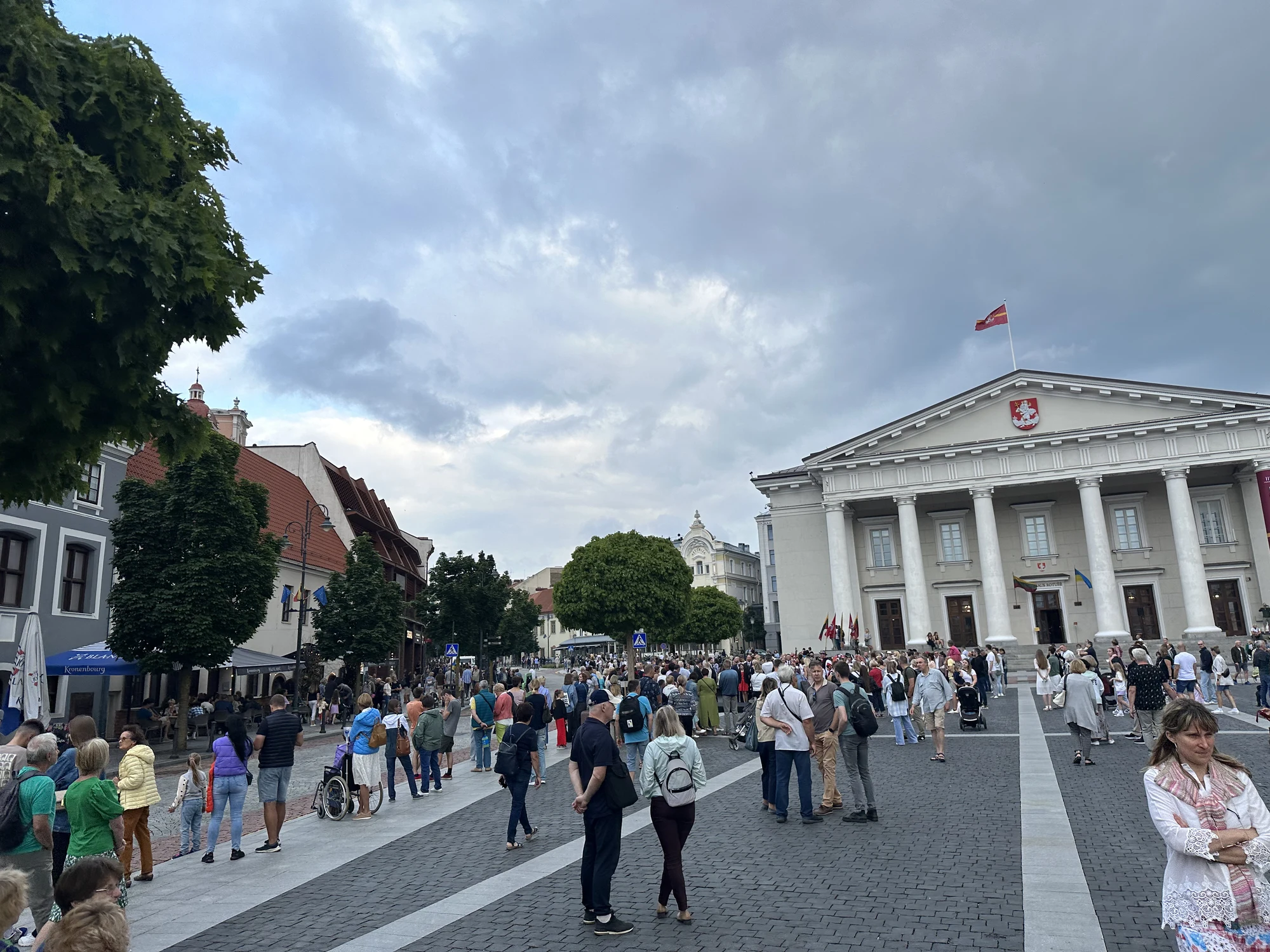
- ✓Sleeping inside Senamiestis means you can walk to nearly every sight, dinner and viewpoint — the single biggest reason to pay the Old Town premium.
- ✓The romance comes with quirks: cobbles, stairs, occasional street noise and parking that's best avoided altogether.
- ✓Choosing the street matters as much as choosing the hotel — bar lanes are lively, side courtyards are silent.
- ✓Most buildings are historic conversions, so check for a lift and quiet rooms if either matters to you.
- ✓It's at its most magical in the Christmas-market weeks and high summer — exactly when you should book earliest.
Why stay in the Old Town at all
The case for the Old Town is simple and strong: it's where the city you came to see actually is. Senamiestis is one of the largest surviving medieval old towns in Europe, UNESCO-listed and largely car-light, and almost every headline sight — the cathedral, the university courtyards, the Gate of Dawn, the climb to Gediminas' Tower — sits within a compact, walkable web of lanes. Sleep here and the whole trip becomes a series of short, pleasant strolls rather than a logistics exercise.
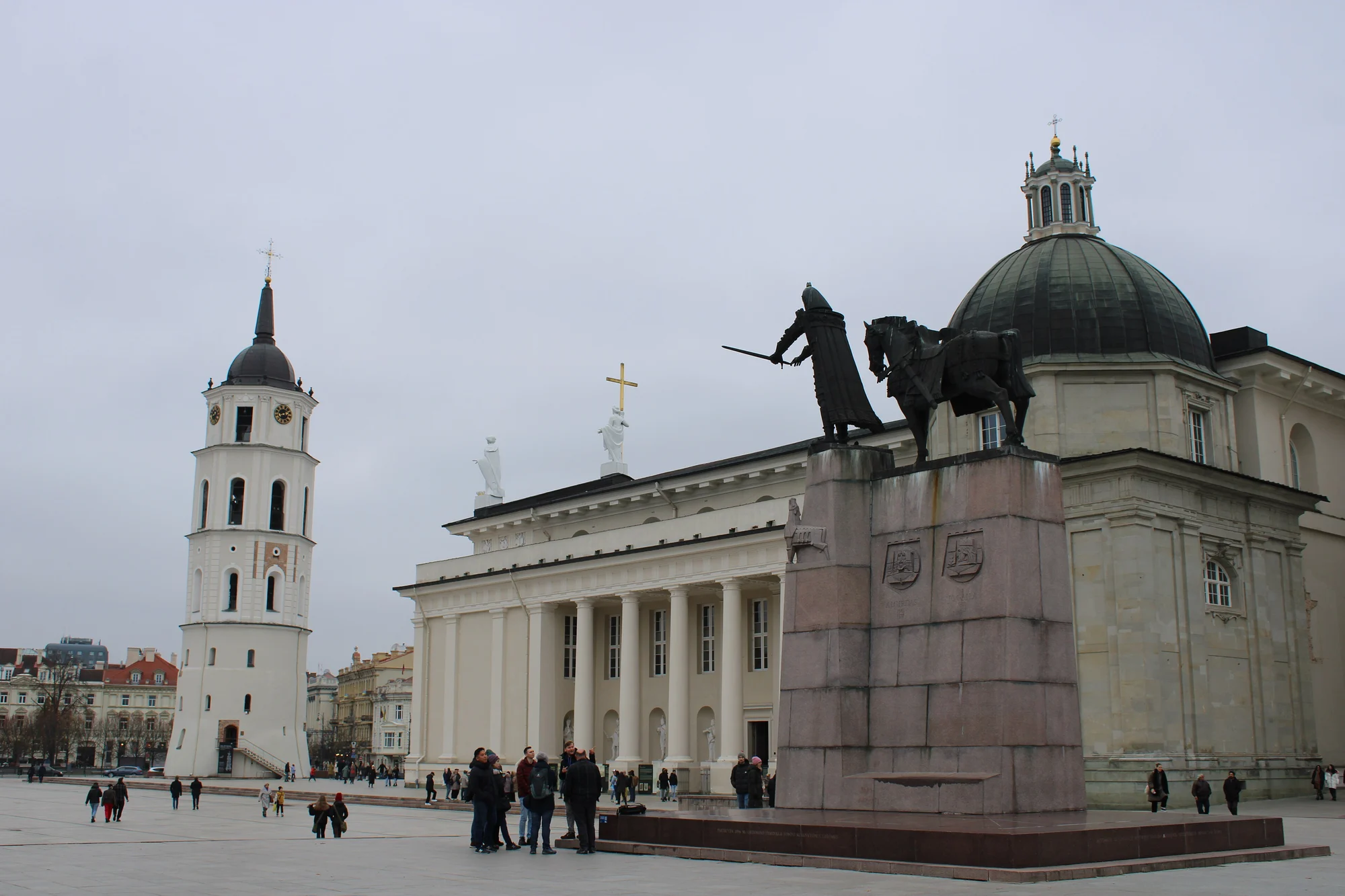
Because Vilnius has no metro and no tram into the historic core, that walkability is the whole game. A central room means you can drop your bags, head out on foot, return to change, and go again — and crucially, you can walk home from a long dinner or a late wine bar without thinking about taxis. For a two- or three-night break, that ease is worth a great deal, and it's the main thing your Old Town premium is buying.
There's an atmospheric dividend too. Staying in Senamiestis means waking up to church bells, stepping out into cobbled lanes before the day-trippers arrive, and having the place half to yourself in the early morning and late evening. That's a different experience from visiting on a day trip from a chain hotel out by the ring road — and for many people it's the whole reason to come to Vilnius in the first place.
The honest trade-offs
None of this is free of friction, and it's better to know the quirks before you book than to discover them on arrival. The cobbles that look so photogenic are uneven and can be slippery after rain or snow, which matters for wheeled luggage, buggies and anyone unsteady on their feet. Many of the loveliest hotels occupy seventeenth- and eighteenth-century townhouses, which means narrow staircases, the occasional missing lift, and floorplans that wander — charming, but worth checking if you have mobility needs or a lot of bags.
Noise is the other variable. The Old Town is lively, and a handful of streets carry late-night bar and club sound; a room facing one of them can be a long night. The fix is easy if you ask: request a room facing a courtyard or set back from the main drag, and the same building can be silent. Driving in is the last thing to avoid — the lanes are tight and partly pedestrianised, parking is scarce and expensive, and you simply don't need a car for a city you'll cross on foot.
Price is the final trade-off. Old Town rooms carry a premium over the edges and the station district, and the gap widens in peak weeks. But because Vilnius is an affordable capital to begin with, that premium is usually modest in absolute terms — and given how much you'll use the location, it's the one place most travellers find it worth paying up for. If the budget won't stretch, the streets just outside the core get you most of the benefit for less.
- Pack flat, grippy shoes — cobbles are uneven and slick when wet or icy.
- Ask for a courtyard-facing or upper-floor room away from the bar streets if you sleep lightly.
- Confirm a lift in advance if stairs are a problem; many historic buildings don't have one.
- Skip the car: Old Town parking is scarce, costly, and unnecessary on foot.
If the Old Town's quirks don't suit you, compare the alternatives here.
Budget HotelsWhere to find value just outside the cobbled core.
Map pins
Map data © OpenStreetMap contributors · Tiles © OpenFreeMap
Picking the right street and building
Within the Old Town, micro-location is everything. The spine of Pilies and Didžioji puts you in the centre of the action, steps from cafés and the main sights, but also closer to footfall and evening buzz. The university quarter and the quieter lanes toward the Bernardine gardens and the river feel more residential and calm while staying a couple of minutes from everything. The bar-heavy stretches around Vokiečių and Islandijos are wonderful for a night out and less wonderful directly under your window.
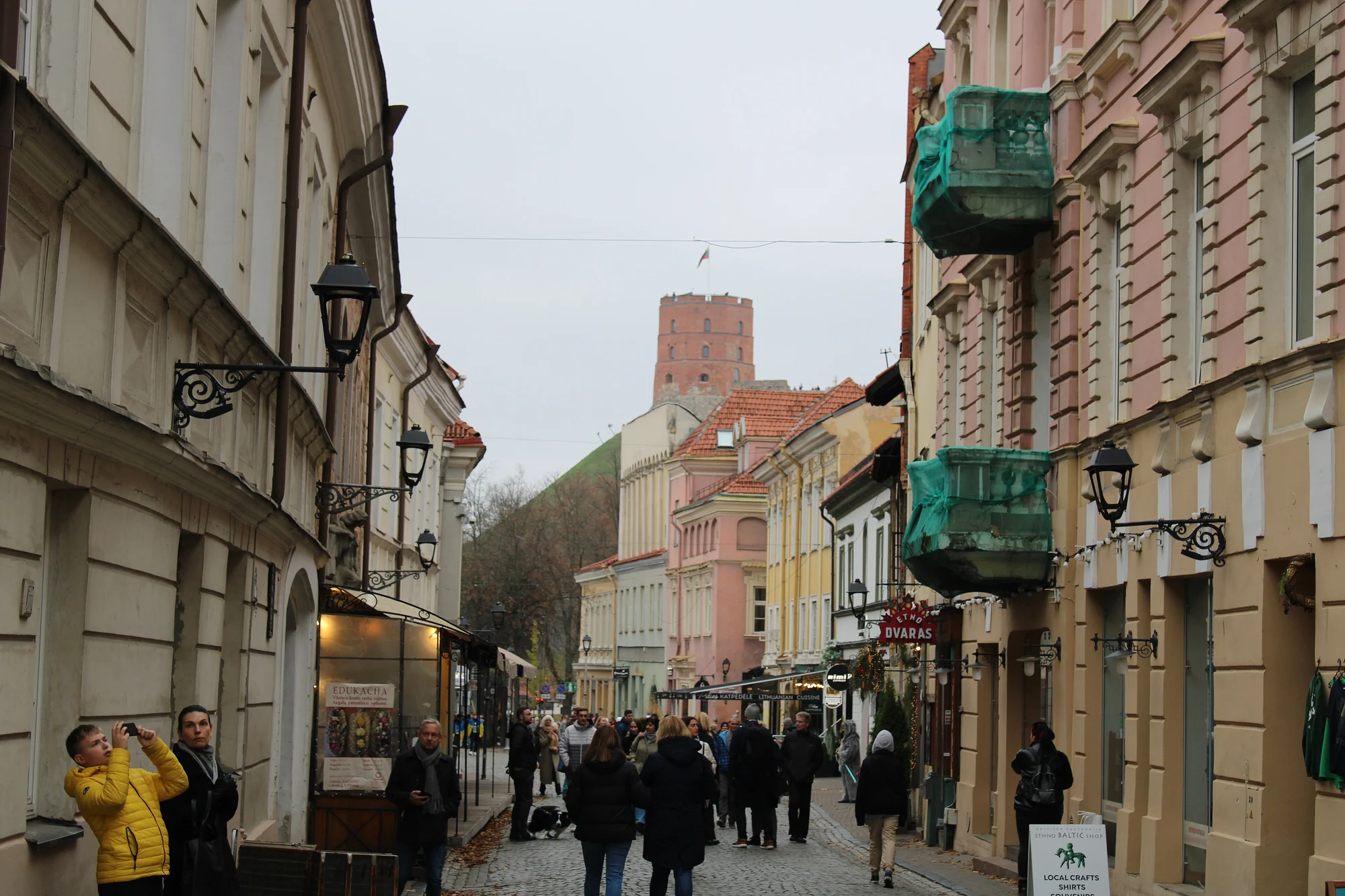
For the building itself, decide between heritage and modern. The historic hotels deliver the storybook version of an Old Town stay — Narutis on Pilies traces its building back to 1581, and the literary Shakespeare Boutique Hotel fills its rooms with books and writerly themes — but expect period quirks. If you prefer a smoother, more predictable room, the newer conversions and small modern hotels on the core's edge give you reliable comfort a short walk from the heart. Either way, read recent reviews specifically for the words quiet, lift and view.
It's also worth thinking about which sights you most want on your doorstep. If you're here for the cathedral, Castle Hill and the riverside, base toward the northern, Cathedral Square end. If the Gate of Dawn, the university and the southern churches are your priority, the middle of the core suits better. The whole area is small enough that none of this is a big deal — but on a short trip, shaving five minutes off every walk adds up to a noticeably easier day.
- Pilies/Didžioji = central and lively; university and Bernardine lanes = central but calmer.
- Heritage hotels for atmosphere; edge-of-core modern hotels for predictable comfort.
- Scan recent reviews for 'quiet', 'lift' and 'view' before committing to a specific room type.
- Base toward the sights you care about most — the core is small, but minutes add up on a short trip.
Eating, drinking and nightlife on your doorstep
A big part of the Old Town's appeal as a base is that the city's best eating and drinking is right there. Staying central means you can keep dinner loose — wander out, see what looks good, and never be more than a few minutes from a candle-lit cellar restaurant, a wine bar or a coffee that's worth crossing town for. On a short trip, that turns mealtimes from a planning exercise into a pleasure, and it's a strong argument for paying the central premium.
It cuts both ways, of course: the liveliest streets are lively late. If you want the nightlife on your doorstep, base near Vokiečių; if you want to sleep, base a lane or two away and walk to it. Either way, book weekend dinners and any small-room jazz or wine night in advance — the best spots are intimate and fill up. The reward for a central Old Town room is that after dinner you're a five-minute stroll from your bed, not a taxi queue.
- Central means loose, walkable dinners — you're minutes from cellars, wine bars and good coffee.
- Want nightlife on your doorstep? Base near Vokiečių. Want quiet? Base a lane away and walk to it.
- Reserve weekend tables and small jazz/wine nights ahead; the best rooms are tiny.
Seasons, booking and winter walking
The Old Town has two peaks worth planning around. High summer brings long evenings, packed terraces and the city at its liveliest; the run-up to Christmas turns Cathedral Square into one of Europe's prettiest markets and fills the cobbled lanes with lights and the smell of mulled wine. Both are glorious and both are when central rooms sell out first and cost the most — if you want to be in the heart of it for either, book weeks ahead rather than days.
Winter is its own pleasure if you come prepared. A central base really earns its keep when it's cold and dark: short walks home, no waiting for transport, and the Old Town at its most atmospheric under snow. Bring proper footwear for icy cobbles, factor in early sunsets when you plan, and lean on the cluster of restaurants and cosy cellar bars within a few minutes of your door. For the festive season specifically, pairing your stay with the market dates is half the fun.
The shoulder seasons are the quiet secret. Spring and early autumn give you the same walkable, atmospheric Old Town with thinner crowds, easier availability and gentler rates — the sweet spot for a relaxed stay that doesn't need to be booked months out. Whenever you come, the central location is what makes a Vilnius trip feel effortless; the season just changes the light.
Who the Old Town suits — and who should look elsewhere
The Old Town is the right base for most visitors, but not for everyone, and it's worth being honest about the fit. It's ideal for couples, first-timers and short-break travellers who want to walk everywhere, eat well within minutes of their door, and soak up the atmosphere of one of Europe's great medieval cores. If your trip is two or three nights of sightseeing, dinners and wandering, this is almost certainly where you want to sleep.
It suits some travellers less well. Families with young children may find the cobbles, stairs and lift-free townhouses more hassle than charm, and often do better in a larger hotel or an apartment just outside the core. Anyone with mobility needs should screen carefully for step-free access. Light sleepers who can't get a courtyard room on a bar lane may prefer the calmer edges. And drivers passing through will find the Old Town actively hostile to cars — better to base on the periphery with parking.
If any of those describe you, the good news is that Vilnius is so compact that the alternatives are still close. The Old Town's quieter edges, the leafy residential districts, and the regenerating areas near the river and station all sit within a short walk or a single bus stop of the historic core — so you can step slightly back from the cobbles without stepping out of the city. Match the base to the trip, and the rest takes care of itself.
- Best for couples, first-timers and short-break sightseers who want to walk everywhere.
- Less ideal for young families, limited mobility, light sleepers and drivers passing through.
- Alternatives are close: the Old Town edge, leafy districts and the station area are all a short hop away.
- Match the base to the trip — Vilnius is small enough that no central option is ever far.
Arrival, check-in and the small logistics
A few practical details make an Old Town stay smoother, starting with arrival. Many central streets are narrow, one-way, partly pedestrianised or simply hard to reach by car, so if you're coming from the airport or a station, a taxi or a Bolt that drops you as close as it can get is usually easier than wrestling a car into the core. Tell the driver the exact street and number; the lanes can confuse navigation apps, and the difference between the right corner and the wrong one is a few minutes of dragging bags over cobbles.
Check-in is the other thing worth pinning down in advance. Smaller hotels and apartments often don't have a 24-hour desk, so confirm your arrival time, ask how late check-in works, and get clear self-check-in instructions if that's the system — there's nothing worse than standing on a dark cobbled street at midnight hunting for a lockbox. If you're arriving early or leaving late, ask whether they'll store your bags; most will, and it buys you a few extra hours in the city at either end of the trip.
Finally, plan around the surface and the weather. Wheeled cases bump along happily enough on the smoother streets but fight you on the rougher cobbles, so a backpack or a sturdy case earns its keep. In winter, the same lanes can be icy, and the prettiest stretches are often the steepest — give yourself time and decent shoes. None of this is a reason not to stay in the Old Town; it's just the small print that turns a charming idea into a genuinely easy stay.
- Arrive by taxi or Bolt to the exact street number; the lanes confuse navigation and cars.
- Confirm check-in timing and self-check-in instructions, especially at small hotels and apartments.
- Ask about early/late luggage storage to gain extra hours at the start and end of the trip.
- Favour a backpack or sturdy case over wheels on the cobbles, and good shoes in winter.
A 1901 grande dame beside the Town Hall, renovated top to bottom in 2025: elegant rooms…
Hotel VilniaAn elegant 19th-century hotel opposite Bernardine Garden — a Michelin Key pick with bri…
Domus MariaSleep in a 17th-century Carmelite monastery beside the Gate of Dawn — simple, peaceful …
Shakespeare HotelA literary boutique hotel in a 17th-century Old Town palace: author-themed rooms, deep …
Artagonist Art HotelA living gallery on Pilies gatvė: a 15th-century building where every room carries hand…
Jimmy Jumps HouseA lively, big-hearted hostel steps from Town Hall Square — free morning waffles, curtai…
St. Palace HotelAn elegant boutique four-star beside the Gate of Dawn — individually laid-out rooms in …
Mikalo HouseA calm, homely hostel on quiet Šv. Mikalojaus gatvė — courtyard garden with BBQ, a prop…
Pogo HostelA retro-styled hostel a one-minute walk from Vilnius Cathedral, with custom cabin beds …
ROOMA ApartmentsScandinavian-styled boutique apartments on Aušros Vartų gatvė with kitchenettes, in-roo…
Luxury HotelsWhere a 24-hour desk and concierge smooth the arrival logistics.
Budget HotelsValue central-edge rooms with easier access than the deepest lanes.
Where to Stay in VilniusBack to the where-to-stay hub for the full area picture.
Related guides
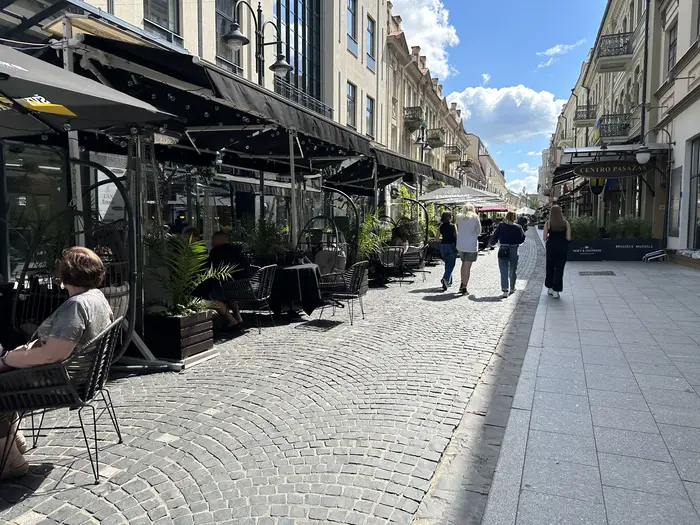
Old Town (Senamiestis): Neighborhood & Where to Stay Guide
The complete guide to staying in Vilnius's Old Town: the UNESCO-listed historic core, what it's like to be based here, the trade-offs of cobbles and crowds, and how to choose your corner of Senamiestis.
Read guide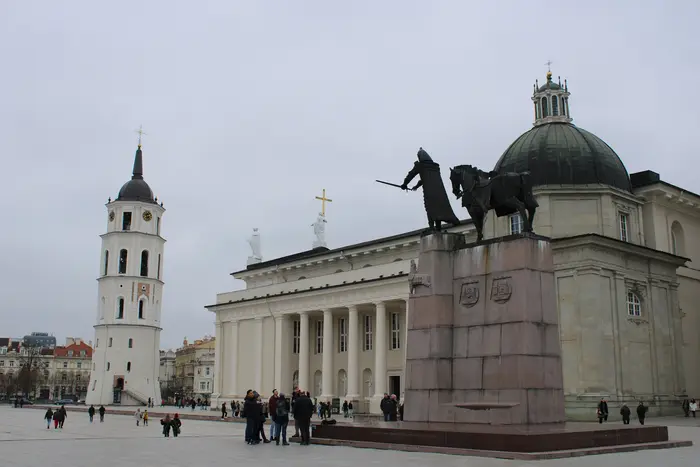
Where to Stay in Vilnius
How to choose where to stay in Vilnius: an area-by-area guide for first-timers, couples, families, nightlife, rail travellers and budgets — from the Old Town and Užupis to the station district, plus what kind of place to book.
Read guide
The Most Romantic Hotels in Vilnius
Boutique, historic, design and spa hotels for a romantic Vilnius break — where to stay for a proposal, an anniversary, or a slow couples' weekend in the Old Town.
Read guide