
Best Apartments in Vilnius
When an apartment beats a hotel in Vilnius — a practical guide for families, longer stays and work trips, covering Old Town stairs, parking, kitchens, quiet nights and where to book.
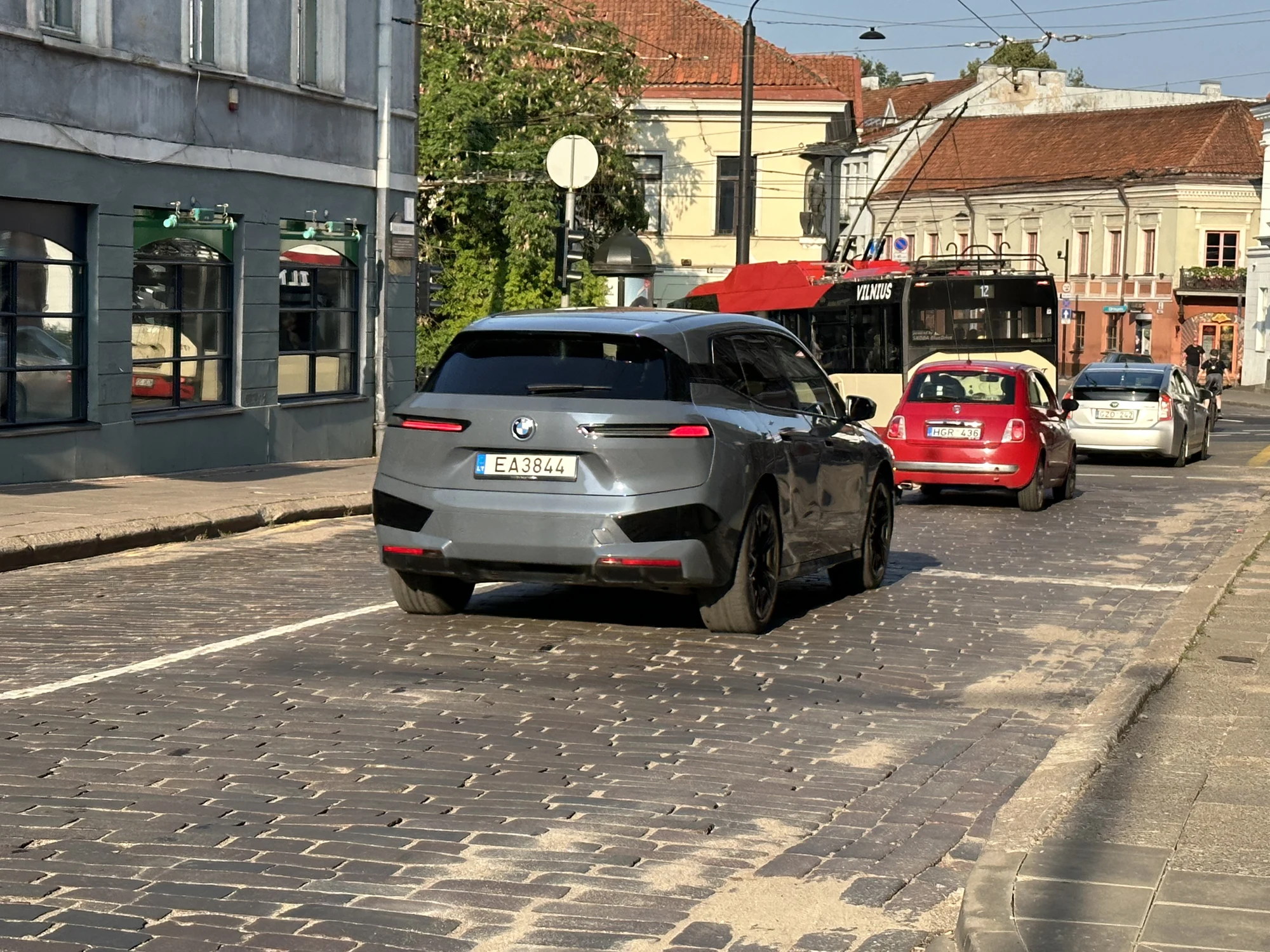
- ✓Apartments win for families, longer stays and work trips — space, a kitchen, and a washing machine change the maths.
- ✓In the Old Town, the catch is stairs: many historic buildings have no lift, so check the floor and access before booking.
- ✓If you're driving, parking is the deciding factor — confirm a dedicated space rather than assuming street parking in the centre.
- ✓For quiet nights, avoid apartments directly over bars or on the busiest Old Town lanes; ask for a courtyard-facing unit.
- ✓Žvėrynas and the streets just outside the Old Town offer more space and calm for a short walk back into the centre.
When an apartment beats a hotel
For a one- or two-night romantic break, a hotel almost always wins in Vilnius — you want the breakfast, the service and someone to ask. But the moment you add people, nights or work, the apartment starts to make sense. Families get separate sleeping space and a sofa to collapse on after the kids are down. Longer stays get a kitchen, a washing machine and the ability to live a little rather than eat out three times a day. Work trips get a desk, fast Wi-Fi and quiet.
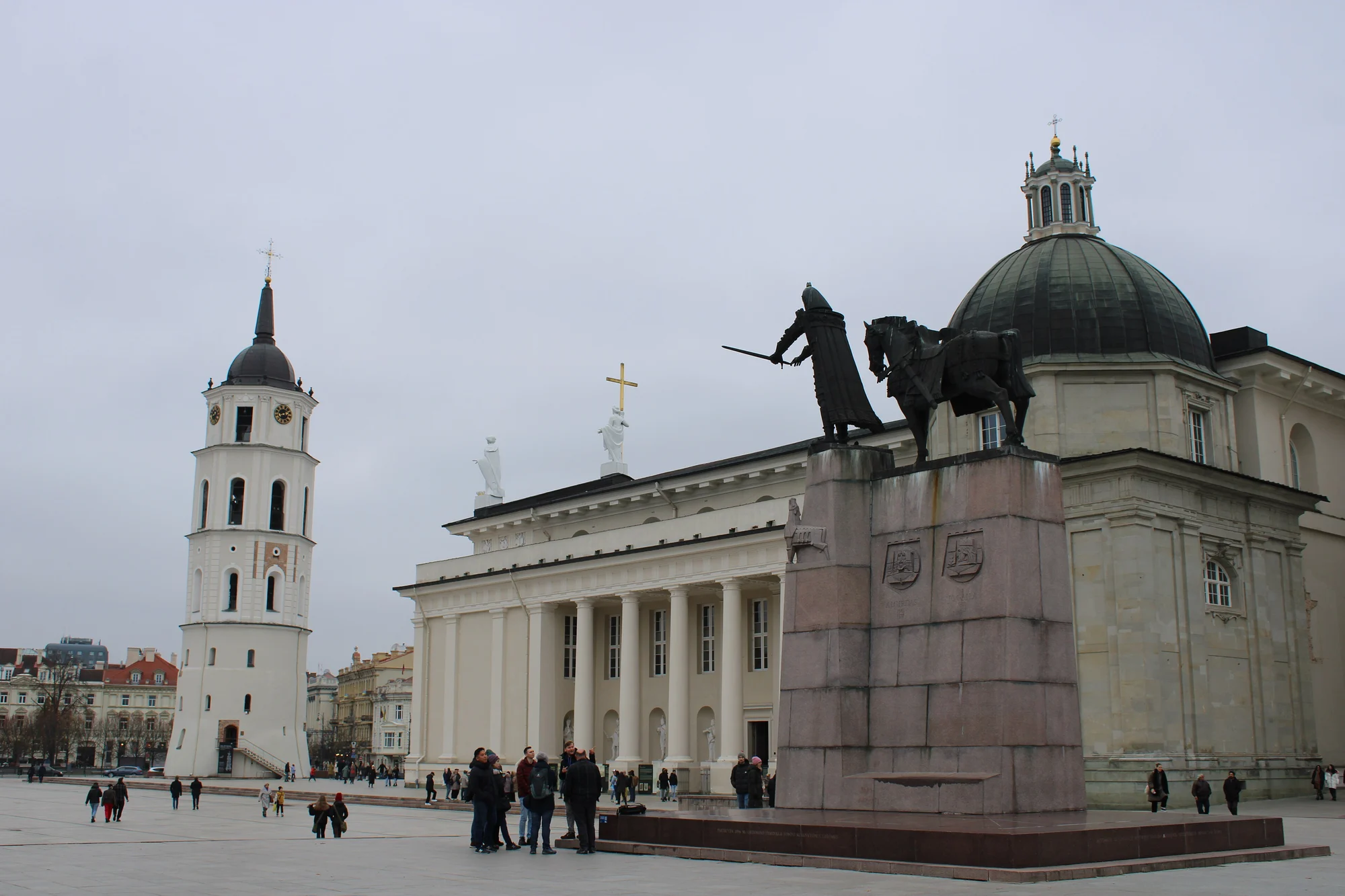
Think of it as a question of what you're optimising for. Hotels optimise for ease and being looked after; apartments optimise for space, autonomy and value over time. Neither is better in the abstract — the right answer depends entirely on the shape of your trip. This guide is here to help you read that shape honestly, so you book the thing that fits the way you'll actually travel rather than the thing that looks best in a photo.
Vilnius is well suited to apartment stays because the city is compact and the Old Town is wall-to-wall with handsome old buildings that have been converted into rentals. You can find a one-bedroom with vaulted ceilings on a cobbled lane, or a bright modern two-bedroom a five-minute walk from Cathedral Square. The trade-offs are real but predictable, and once you know what to check, an apartment here is excellent value.
The supply is broad, too, which keeps prices reasonable across the board. Beyond the historic Old Town flats, there are sleek modern apartments in newer developments near the river and the station, family-sized places in the quiet residential districts, and everything in between. That range means you can usually find something that fits both your budget and your specific needs — a lift for the pushchair, parking for the car, a desk for the work trip — rather than compromising on one to get the other, as you sometimes must with hotels.
Our rule of thumb: three nights or more, two or more people, or any trip where self-catering matters — book an apartment. One or two nights as a couple, or a trip where you want to be looked after — book a hotel. Everything else is personal preference.
The economics usually favour apartments as the group or the stay grows. A family of four in two hotel rooms can pay more than for a two-bedroom apartment with a kitchen, and on a week-long stay the savings from cooking even a few meals add up quickly in a city where eating out, while good value, still adds a line to the budget every day. Add the comfort of a living room to spread out in after a day on your feet, and the case becomes obvious. The trade-off you're accepting is the absence of hotel services — no daily housekeeping, no front desk, no breakfast — which most families and longer-stay travellers happily give up for the space and the freedom.
Apartments for families and longer stays
Families are the clearest winners with an apartment in Vilnius. A two-bedroom flat gives parents and children separate space, a sofa and a table to eat at, and — crucially — a kitchen, which turns the daily grind of feeding small children on the road from a logistical problem into a non-event. Breakfast at your own pace, a fridge for snacks and milk, somewhere to warm a bottle or cook a simple dinner after a long day: these small comforts make a family trip immeasurably easier, and they're things even a good family hotel can't fully replicate.
Longer stays — a week or more, a remote-work trip, a relocation reconnaissance — lean on apartments for the same reasons, plus one more: living costs. Cooking even a few meals a week, doing your own laundry and settling into a routine make a long stay both cheaper and more comfortable than hotel life. For these trips, look for a flat with a proper kitchen, a real desk and chair, reliable fast internet, and good natural light, and prioritise a calm residential street over a buzzy central one — you'll value the quiet far more over two weeks than the postcard location.
For both groups, the area matters as much as the apartment. A spot within easy reach of a supermarket, a pharmacy, a park and a couple of good cafés makes daily life frictionless, and a short, safe walk or quick public-transport hop into the centre keeps the city accessible without putting you in the middle of the late-night noise. The streets just outside the Old Town and the leafier residential districts hit this balance best.
One practical tip for longer stays: read the listing for what it doesn't say as much as what it does. A flat that mentions a desk, a dishwasher and a washing machine has thought about people who live in it; one that only shows styled photos of the bed and a coffee cup may not. For a week or more, message the host about the everyday realities — internet speed (ask for a number, not just 'fast Wi-Fi'), how heating is controlled, where the nearest shop is, and whether there's a lift — before you commit. Hosts used to longer guests answer these happily, and the quality of their reply is itself a useful signal of how the stay will go.
The hotel alternative for families who'd rather have service than a kitchen.
Vilnius with KidsWhat to do with children nearby once you've settled into your apartment.
Map pins
Map data © OpenStreetMap contributors · Tiles © OpenFreeMap
The Old Town catch: stairs, noise and parking
Staying in the Old Town in an apartment is wonderful and slightly complicated. The buildings are old, which is the appeal — and also the catch. Many have no lift, so a charming top-floor flat can mean three or four flights of narrow stairs with your luggage, your shopping and, if you have them, a pushchair. Always check the floor and whether there's a lift before you book, particularly if anyone in your party can't manage stairs.
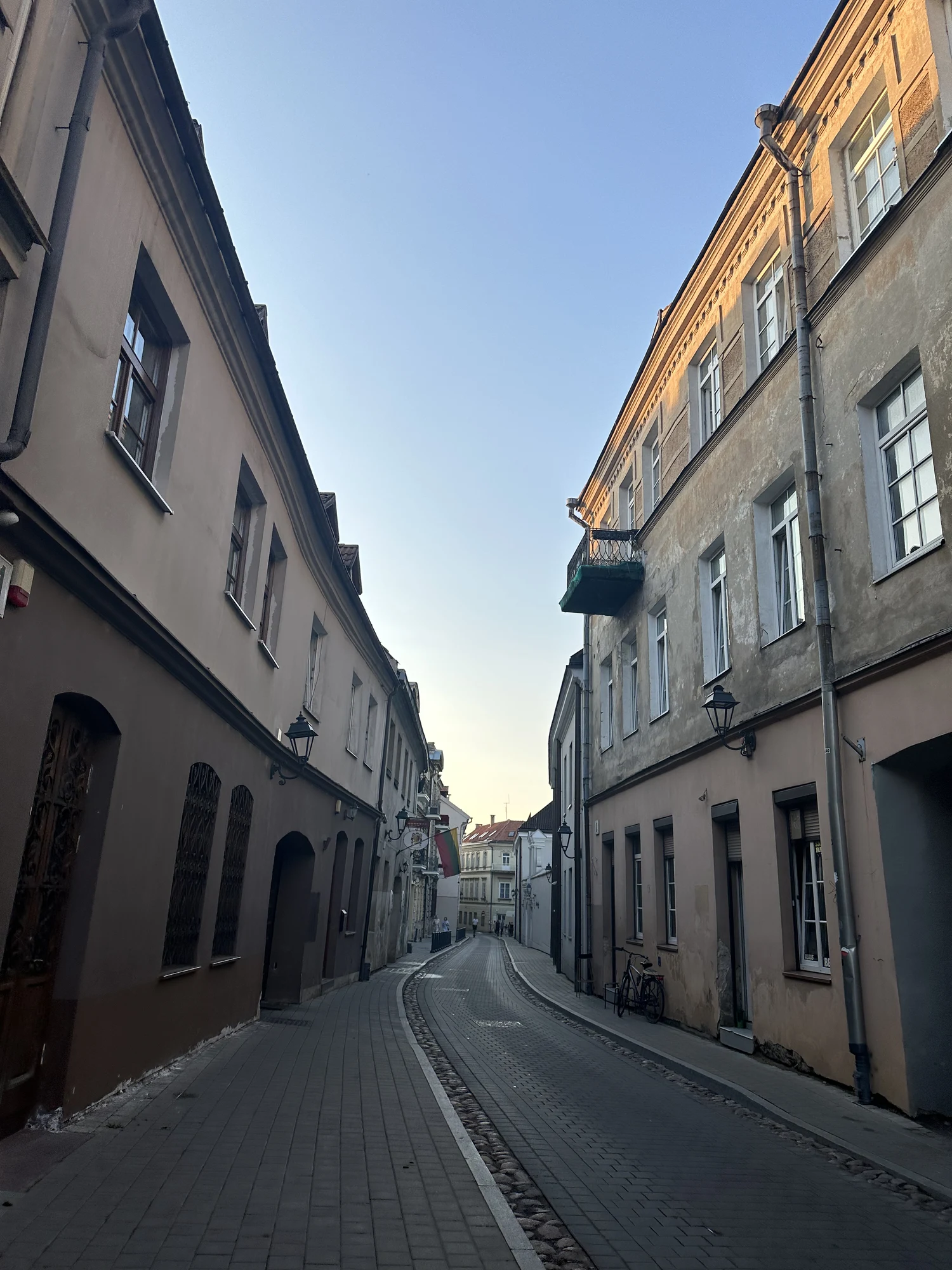
Noise is the second thing to weigh. The most atmospheric lanes are also the busiest, and an apartment directly over a bar or restaurant can be loud well into the night on weekends. Ask the host which way the windows face and whether the unit is courtyard-facing — a quiet inner courtyard is worth more than a street view if you actually want to sleep.
Parking is the third, and it catches drivers out constantly. The Old Town's streets are narrow, partly pedestrianised and tightly controlled, and casual street parking is not something to rely on. If you're arriving by car, only book a place with a confirmed dedicated parking space or a nearby garage, and get the details in writing. If you can, leave the car and use public transport and walking instead — the city is small enough that you rarely need to drive.
One more Old Town quirk worth flagging: the most beautiful historic apartments can also be the least practical for everyday living. Thick stone walls look wonderful and stay cool in summer, but can be cold and draughty in winter; original windows are gorgeous and rarely soundproof; and a 'central' flat on a pedestrianised lane may mean carrying your shopping the last few hundred metres on foot because cars can't get to the door. None of this should put you off — for a few nights the romance more than compensates — but go in with eyes open, and for a longer or family stay, weigh a slightly less central, more practical building against a postcard-perfect but inconvenient one.
- Check the floor and whether there's a lift — many Old Town buildings have neither.
- Ask which way windows face; request a courtyard-facing unit for quiet nights.
- Don't assume street parking — confirm a dedicated space or garage if you're driving.
- Read recent reviews specifically for noise and stair complaints.
Where to book, by trip type
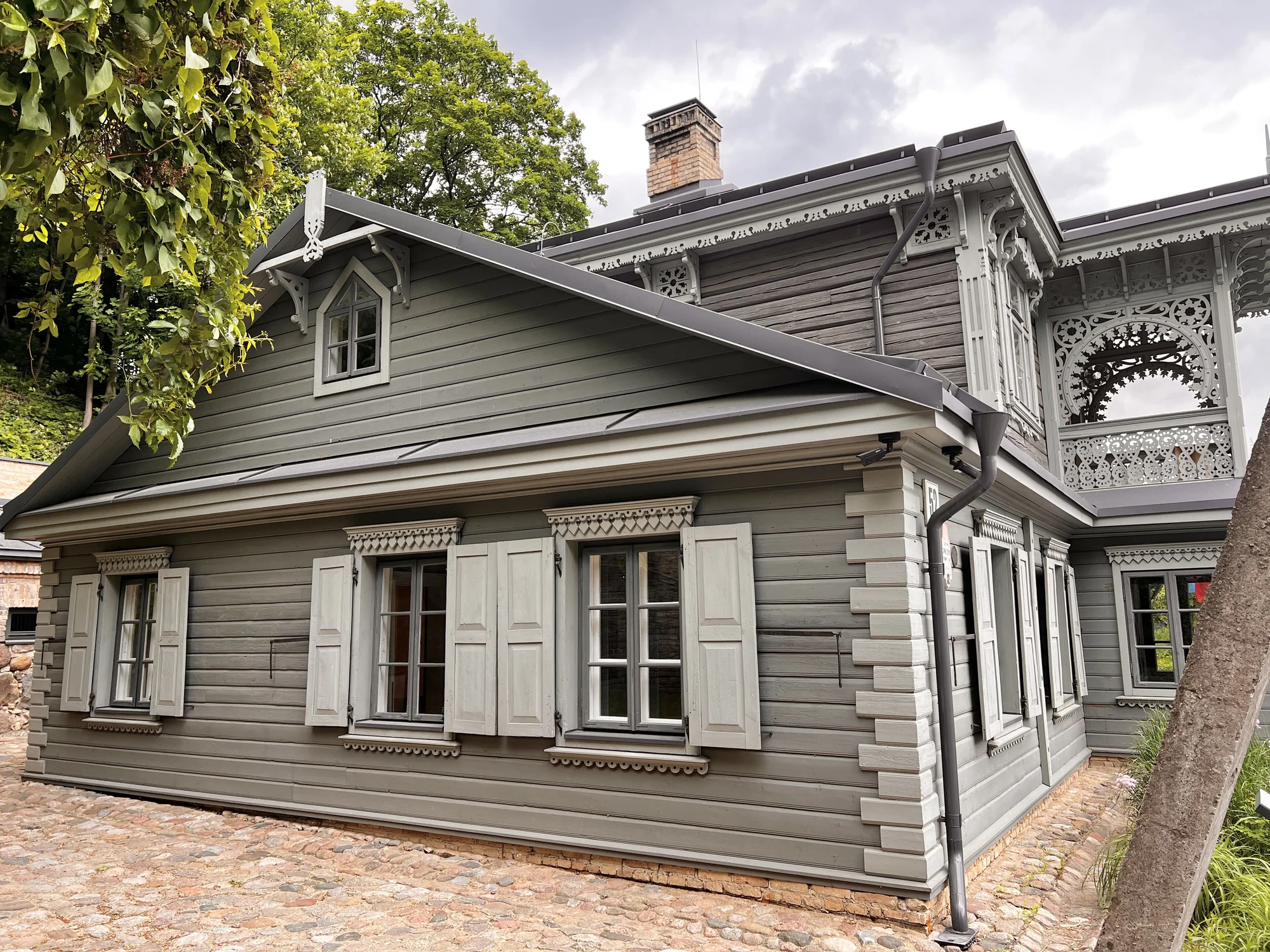
For families and anyone wanting space and calm, look just outside the Old Town. Žvėrynas, a leafy residential district of wooden houses and quiet streets across the river, gives you more room for your money and a gentle walk or short ride into the centre. The streets immediately ringing the Old Town are a good compromise too — central enough to walk everywhere, calmer than the core lanes, and usually a little cheaper per square metre than a flat right on Pilies street.
For longer and work stays, prioritise the practical stuff over the postcard view: a proper kitchen, a real desk, reliable fast Wi-Fi, a washing machine, and good light. These trips are about living comfortably, not just sleeping, and an apartment that works on a Tuesday morning beats one that only looks good in photos. A spot near a supermarket and a couple of decent cafés makes a longer stay far easier, and a quiet street matters more when you're there for two weeks than for two nights.
For couples who still prefer self-catering, a small modern apartment in or just beside the Old Town gives you the romance of the setting with the freedom of your own space — coffee on your own schedule, no breakfast rush, and a base from which the whole city is walkable. Wherever you book, read the most recent reviews carefully, message the host with your specific questions about stairs, noise and parking, and you'll avoid almost every common problem.
The practical details that make or break an apartment stay
Check-in is the first thing apartments get right or wrong. Unlike a hotel, there's no 24-hour front desk, so confirm exactly how you'll get the keys — self check-in with a lockbox or smart lock is common and convenient, but a host who insists on meeting you in person can mean awkward coordination if your flight is delayed. For a late arrival, self check-in is worth seeking out. Ask for clear written instructions and a phone number you can reach if something goes wrong at 11pm.
Think about what's actually in the kitchen if self-catering is the point. Listings vary enormously: some apartments have a full hob, oven, dishwasher and coffee machine, while others have little more than a kettle and a microwave. If you plan to cook properly — a real consideration for families and longer stays — read the amenities list closely or just ask. The same goes for the washing machine, which is one of the biggest practical wins of an apartment over a hotel on a longer trip; confirm it exists and works rather than assuming.
Heating and cooling matter with Vilnius's climate. Winters are cold and long, so check the apartment is properly heated — most are, but an older building can be draughty. Summers can get warm, and air conditioning is far from universal in residential flats, so if you're a light sleeper in July, ask whether there's AC or at least good ventilation and quiet windows. None of these things are dealbreakers, but each one is the difference between a comfortable stay and a frustrating one, and they're all easy to settle with a quick message before you book.
- Prefer self check-in (lockbox or smart lock) for flexibility, especially on late arrivals.
- Confirm the actual kitchen kit if you plan to cook — listings vary from full kitchens to a kettle.
- Check the washing machine works — it's a key advantage of an apartment on longer stays.
- Ask about heating in winter and ventilation or AC in summer.
A leafy hostel retreat in bohemian Užupis: a big garden with a summer bar, BBQ nights a…
Old Town Trio ApartmentsHotel services with apartment privacy: minimalist units with kitchenettes near Halės Ma…
Stay Vilnius HotelA spotless, reception-free self-check-in hotel between the station and the Old Town, wi…
ROOMA ApartmentsScandinavian-styled boutique apartments on Aušros Vartų gatvė with kitchenettes, in-roo…
Where to Stay in VilniusThe full picture, including hotels if an apartment's trade-offs don't suit your trip.
Old Town HotelsThe hotel alternative if you want service rather than self-catering in the centre.
Related guides
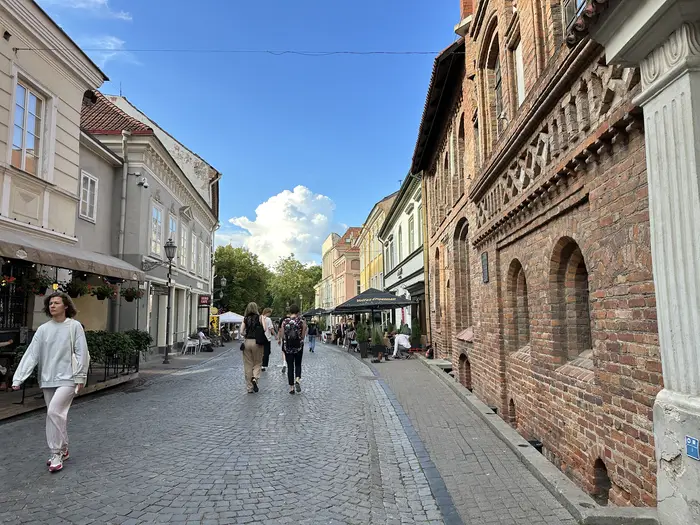
Best Family Hotels in Vilnius
Family-friendly Vilnius hotels by room setup, walkability, breakfast, parks, transport and weather backups — how to pick a base that works with kids.
Read guide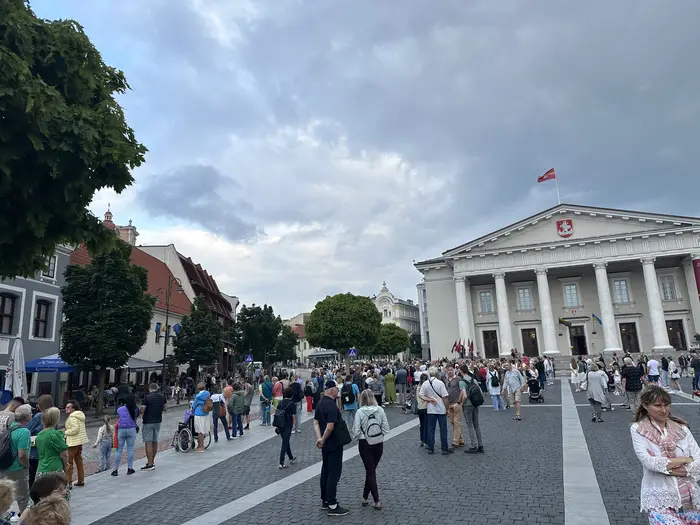
Best Old Town Hotels in Vilnius
Stay inside Vilnius Old Town with clear trade-offs on charm, noise, cobbles, taxis, restaurants and winter walking — and how to pick the right street.
Read guide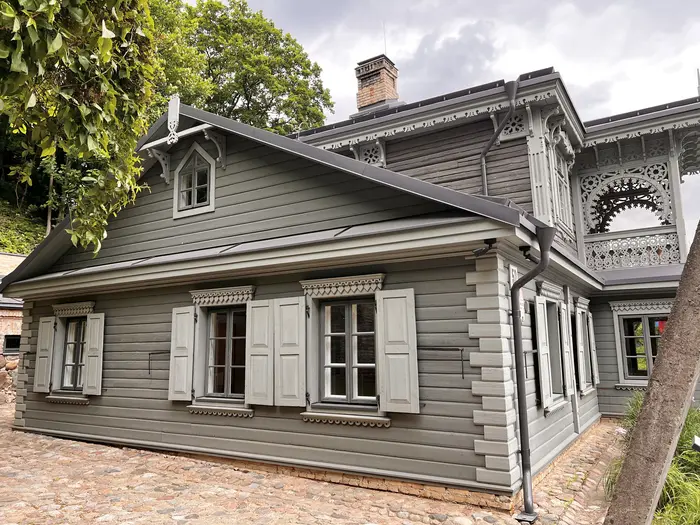
Žvėrynas: Vilnius's Green Wooden-Villa District
A guide to Žvėrynas, one of Vilnius's greenest and most prestigious districts: protected 19th-century wooden villas, embassies, the Neris riverbank, direct access to Vingis Park, and a calm residential pace minutes from the center.
Read guide