
Driving & Parking in Vilnius
When a car actually helps in Vilnius and when it gets in the way: Old Town parking zones and prices, where to leave the car, day-trip driving, rental strategy and winter cautions.
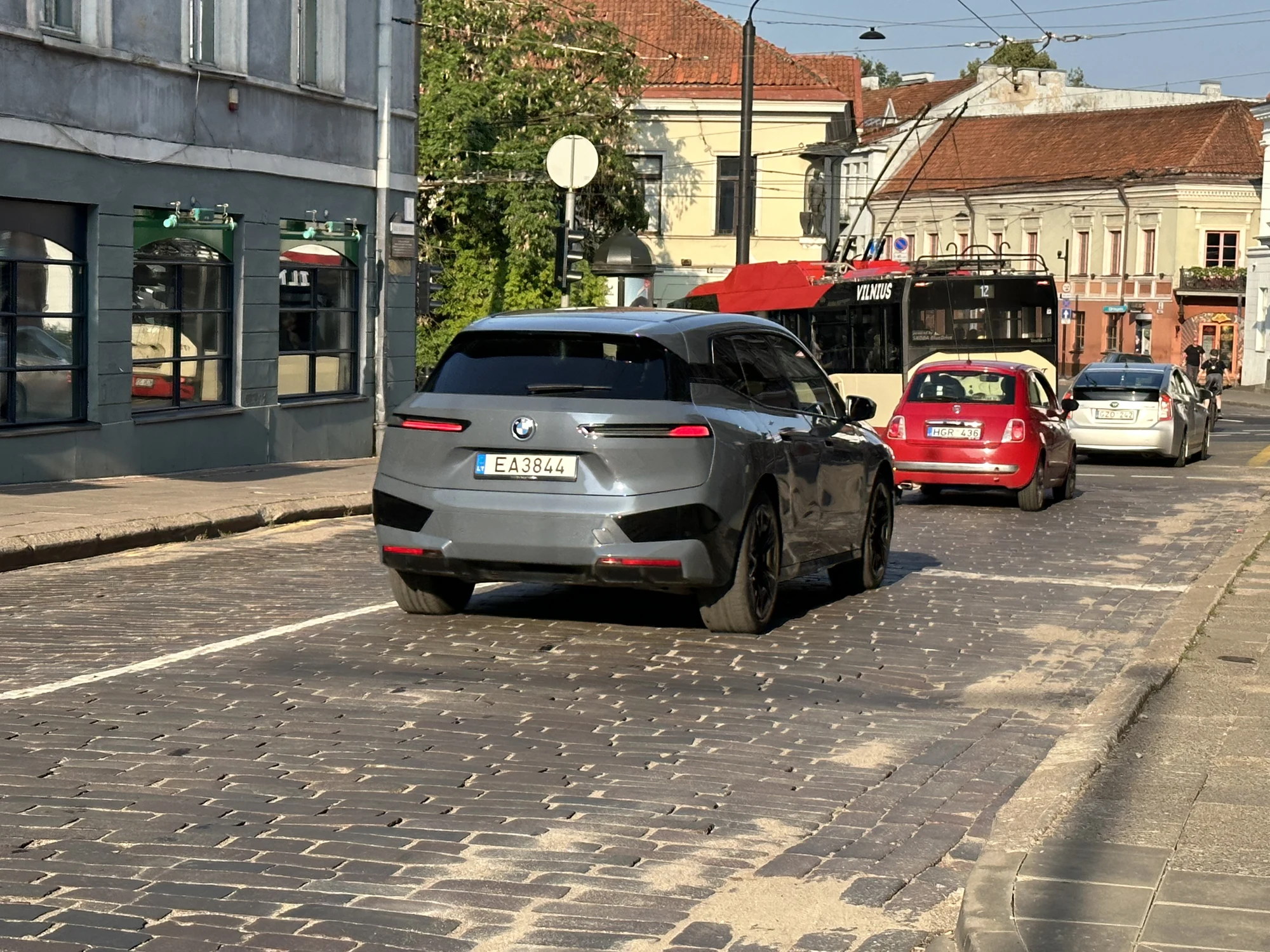
- ✓You almost never need a car inside Vilnius — the compact, walkable centre and cheap public transport cover the city easily.
- ✓A car earns its keep mainly for day trips: the regional parks, scattered manor houses and lakes that buses reach awkwardly.
- ✓Central street parking runs on colour-coded paid zones, charged on weekdays, with the priciest zones clustered in and around the Old Town.
- ✓Leave the car at the hotel or a park-and-ride for sightseeing days; pay-and-display apps make short central stops simple when you do drive.
- ✓Winter brings ice, snow-narrowed streets and short daylight — drive slowly, allow extra time, and check whether your rental has proper winter tyres.
Do you actually need a car in Vilnius?
For most visitors, the honest answer is no. Vilnius is one of the most walkable capitals in Europe: the UNESCO-listed Old Town is small enough to cross on foot in about twenty minutes, and almost everything you'll want to see — the cathedral, the hill, the churches, Užupis, the main museums and the best restaurants — sits within or just beside it. Add a cheap, easy bus and trolleybus network and frequent ride-hailing, and a car in the centre becomes more burden than benefit. You'll spend more time hunting for a space than you'll save in journey time.

Where a car does start to make sense is beyond the city. If your trip leans heavily on day trips — the regional parks, the lakes, the scattered manors and open-air museums that public transport reaches slowly or with awkward changes — then a rental for a day or two can open up the region on your own schedule. The trick is to match the car to the journeys that need it, rather than keeping one parked (and paying for it) through days you'll spend entirely on foot in town.
A useful rule of thumb: base yourself centrally, walk and use transit for the city itself, and rent a car only for the specific days you're heading out of town. Many travellers never need one at all. If you're weighing up how you'll get around more broadly — buses, taxis, bikes and scooters included — start with our wider getting-around guide and treat this page as the driving-specific companion to it.
- Old Town and centre: walk — it's faster and more pleasant than driving.
- Around the city: buses, trolleybuses and ride-hailing are cheap and frequent.
- Out of town: a car shines for day trips that buses reach slowly.
- Short city trip with no day trips? You almost certainly don't need to drive at all.
Parking in the centre: how the zones work
Central Vilnius uses a system of colour-coded paid parking zones, with the price stepping up the closer you get to the historic core. As a guide, the most expensive blue zone covers the Old Town and its edges, the red zone surrounds it, and yellow and green zones spread out from there into the wider centre and inner suburbs; a cheaper outer band covers residential areas further out. The general principle is simple — the more central and in-demand the street, the higher the hourly rate — so the Old Town is the costliest place to leave a car and the least convenient to drive into.
Paid parking is charged on weekdays during daytime hours (broadly weekday working hours), with evenings, weekends and public holidays typically free on the street — but always read the sign on the bay you've chosen, because exact hours and conditions vary by zone and can change. You pay by app or at a machine and display or register the time; there are no attendants, and enforcement is by patrol, so an unpaid central bay is a reliable way to collect a fine.
Because rates and zone boundaries are reviewed periodically by the city, treat any specific figure you read online as indicative rather than fixed, and confirm the current price on the meter or the official parking app before you pay. The practical takeaway doesn't change with the tariff: parking in and around the Old Town is deliberately priced to discourage all-day car storage, so it suits short stops, not a day of sightseeing.
- Colour-coded zones: priciest in and around the Old Town, cheaper as you move out.
- Paid on weekdays during daytime hours; usually free evenings, weekends and holidays — check the bay's sign.
- Pay by app or machine; enforcement is by patrol, so always pay or move on.
- Tariffs change over time — confirm the current rate on the meter or official app.
How transit compares once you've parked the car.
Where to StayPick a hotel with parking if you're driving in.
Map pins
Map data © OpenStreetMap contributors · Tiles © OpenFreeMap
Where to leave the car
If you're driving into Vilnius and staying centrally, the simplest plan is to leave the car where you're sleeping and not touch it again until you leave. Ask your hotel or apartment host about parking before you book: some central properties have their own spaces or a discounted garage rate, which is almost always cheaper and less stressful than feeding a meter on an Old Town street each day. A guarded indoor garage or a hotel space also takes the winter ice and the break-in worry off your mind.
For day trips, a park-and-ride or a paid lot on the edge of the centre lets you keep the car cheaply and walk or hop a bus the last stretch into town. When you do need a short central stop — dropping bags, a quick errand — the paid on-street bays are fine for an hour or two using the parking app, just don't leave a car in a blue or red Old Town bay all day unless you enjoy large parking bills.
Underground and multi-storey car parks near the centre are the comfortable option in bad weather or for longer stays: predictable pricing, shelter from snow, and no risk of a ticket. They cost more per hour than an outer street bay but less hassle, and several sit within an easy walk of the Old Town. Whichever you choose, photograph the bay number and zone, and keep the parking app handy so you can top up remotely rather than racing back to the car.
- Best plan: park at your hotel and walk for the whole city stay.
- Day trips: use a park-and-ride or edge-of-centre lot, then transit in.
- Covered garages cost more but beat winter ice and tickets.
- Use the parking app so you can extend time without returning to the car.
Driving for day trips
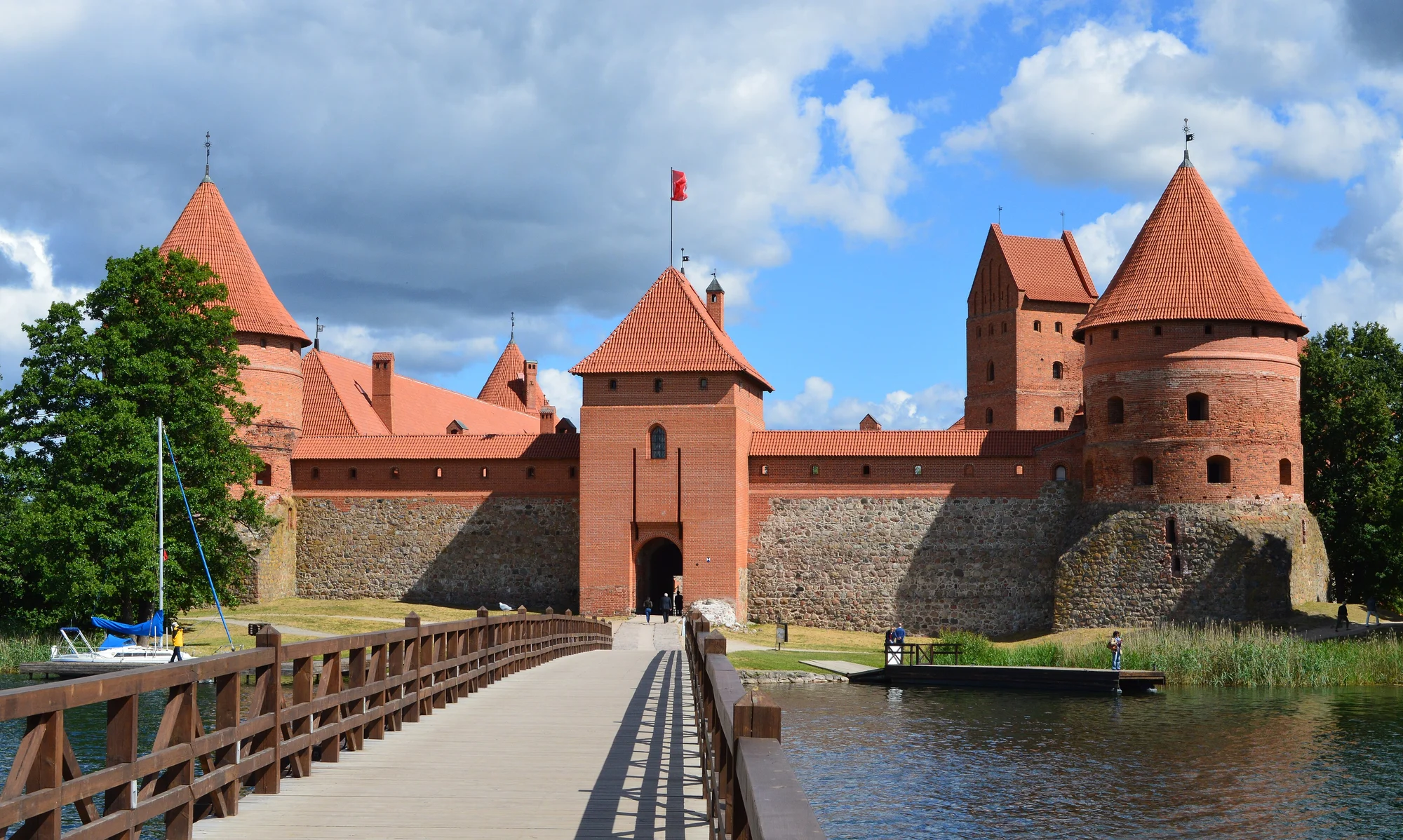
Driving comes into its own the moment you leave the city. Lithuania's roads are good, traffic outside Vilnius is light, and a car turns a cluster of out-of-town sights into a flexible, half-improvised day. Trakai — the lakeside castle that's the classic first day trip — is an easy short drive west, and while it's perfectly reachable by bus or train, a car lets you linger past the last convenient departure or combine it with a nearby park or restaurant. For the regional parks, manor houses and lakes that lie off the main bus routes, a car is genuinely the difference between seeing them and not.
Rent for the specific days you need rather than the whole trip: pick the car up the morning you're heading out and return it the same evening or the next day, so you're not paying for it (or parking it) on your in-town days. Book ahead in summer when demand and prices peak, check the fuel policy, and confirm whether crossing into Latvia is allowed if you're tempted by a longer northern loop. An EU or international licence is straightforward to use here.
Plan your route and parking at the destination before you set off — popular spots like Trakai fill their car parks on warm weekends, and arriving early saves a frustrating circle of the lot. Keep some coins or the relevant app for any paid parking out of town, fill up before you head into thinly served rural stretches, and give yourself daylight margins in winter, when the useful driving hours are short.
Renting a car: practical pointers
All the major international rental brands operate at Vilnius Airport alongside good local firms, and prices are reasonable by Western European standards. For airport-to-day-trip use, collecting at the airport on arrival can save a trip across town, but if you only need wheels mid-stay, a city-centre pickup keeps you car-free for the urban days. Compare the all-in price including insurance excess, young-driver surcharges and any one-way fees, and read the fuel and mileage policy before you sign.
Lithuania drives on the right, dipped headlights are required at all times, and seatbelts are mandatory for everyone. Drink-driving limits are strict and enforced — treat the safe amount as zero. Motorway-style roads are toll-free for cars, so the main running costs are fuel and parking. A modern phone with offline maps handles navigation fine; just download the area before you head into rural patches with patchy signal.
If you're visiting in the cold months, winter readiness matters more than the rental brand. Confirm the car has proper winter tyres (a legal requirement in the season), allow extra stopping distance on ice, and don't underestimate how early it gets dark. For a short city break with no out-of-town plans, skip the car altogether — you'll save money and the only thing you'll miss is the chore of finding somewhere to park it.
- Drive on the right; dipped headlights and seatbelts required at all times.
- Drink-driving limits are strict and actively enforced — don't risk it.
- Roads are toll-free for cars; budget mainly for fuel and parking.
- Winter: insist on proper winter tyres and allow extra time on ice and in the dark.
Related guides

Getting Around Vilnius
How to get around Vilnius: walking the compact Old Town, JUDU buses and trolleybuses, taxis and Bolt, bikes and e-scooters, parking, and when not to bother renting a car.
Read guide
Day Trips from Vilnius
The best day trips from Vilnius compared: island-castle Trakai, ancient Kernavė, second-city Kaunas, the Paneriai memorial, Europos Parkas, the Green Lakes, Rumšiškės and the Hill of Crosses — with honest notes on transport, timing and what's worth a car or a tour.
Read guideTrakai Day Trip
A complete Trakai day trip from Vilnius: how to get there, the island castle, Karaim kibinai, lake boating and a relaxed plan that doesn't feel rushed.
Read guide