
Vilnius Hidden Gems Worth Seeking Out
The Vilnius hidden gems worth your time — quiet courtyards, lesser-known churches, art streets, atmospheric cemeteries, modernist corners and green spaces for slower, more local travellers.
- ✓Hidden Old Town courtyards behind unassuming gates
- ✓Užupis backstreets, the Constitution wall and riverside corners
- ✓Atmospheric Rasos Cemetery and the leafy memory of Antakalnis
- ✓Riverside Paupys and the post-industrial creativity of Naujamiestis
- ✓Quiet parks, lesser-known churches and modernist corners away from the crowds
Beyond the postcard Vilnius
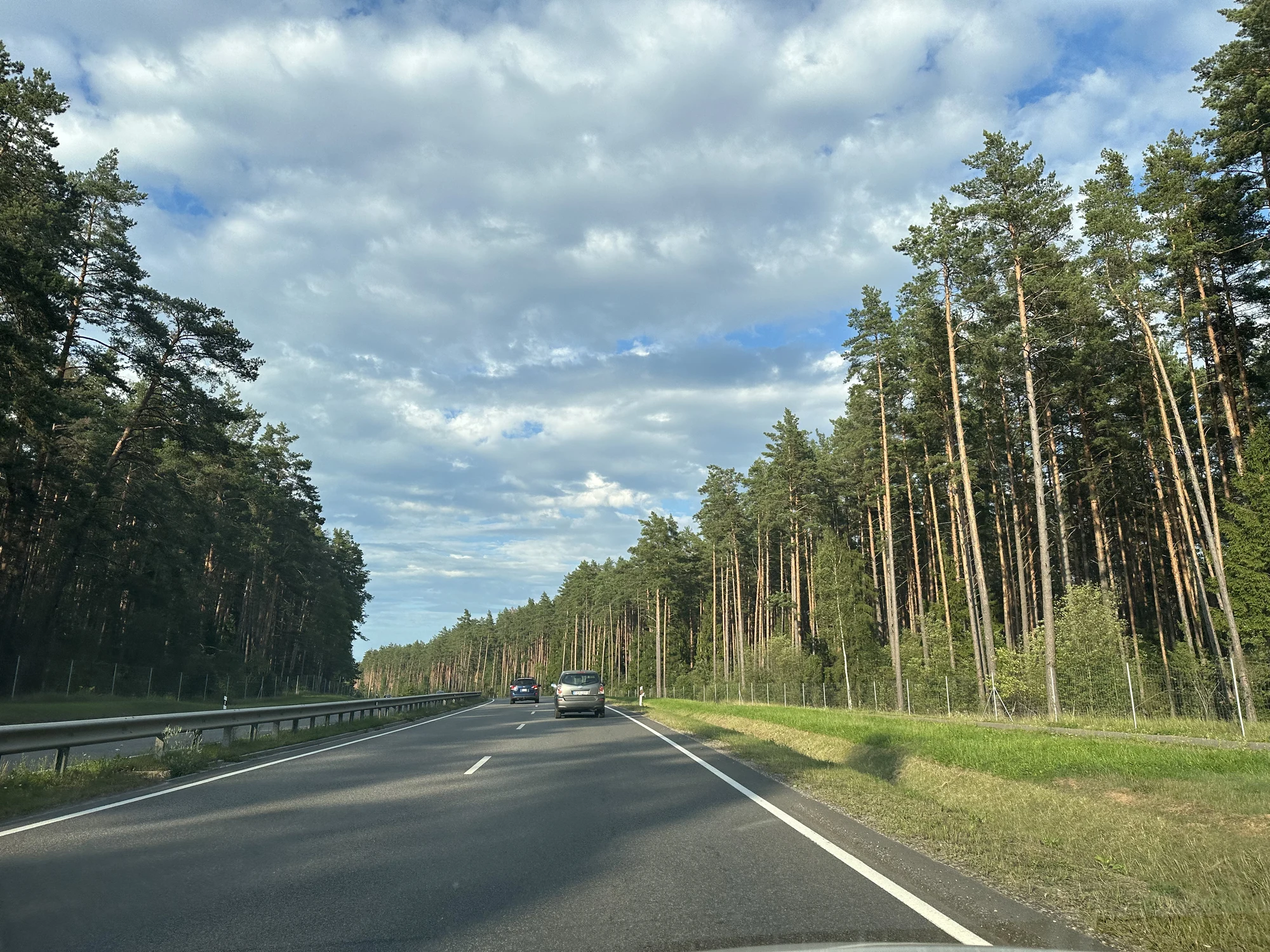
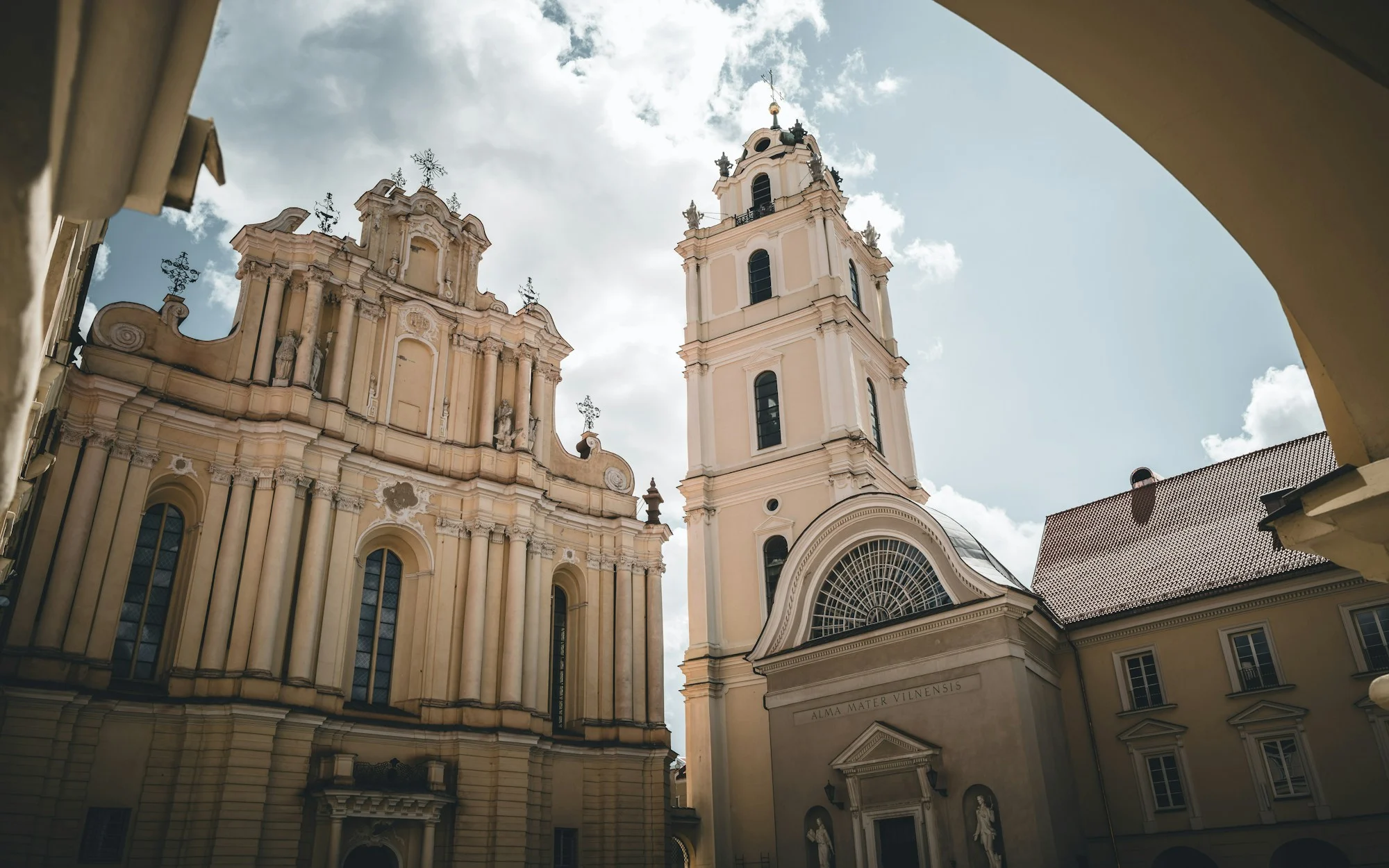
Vilnius rewards curiosity more than almost any capital in the region. Its compact Old Town is a UNESCO showpiece, but the city's real magic often lies just off the main routes — in a courtyard you'd never guess was there, a tiny church with no queue, a riverbank where locals swim, or a hillside cemetery wrapped in trees. This guide gathers the hidden gems worth your time, for travellers who'd rather wander and linger than tick off a list.
None of these places is secret in the strict sense, but each is quieter, more atmospheric or simply less obvious than the headline sights — and all of them deepen your sense of how Vilnius actually lives. They cluster in and around the Old Town and the neighbourhoods that ring it, so you can fold a handful into an ordinary day of sightseeing without a special trip.
Treat what follows as a menu rather than an itinerary. Pick the ones that match your mood — contemplative, creative, green or simply curious — and leave room to follow your own discoveries down a promising lane.
Part of what makes Vilnius so good for this kind of exploring is its scale and its layers. The Old Town is one of the largest surviving medieval cores in this part of Europe, yet you can cross it in twenty minutes — which means the hidden corners are never far from the famous ones. Step off Pilies Street into a side lane and the crowds vanish almost instantly; cross a single bridge and you're in a different world in Užupis or Paupys.
These places also reward repeat visits and different seasons. A courtyard that's a sun-trap of café chatter in summer becomes a quiet, snow-dusted secret in winter; a cemetery glowing gold in autumn feels entirely different in spring green. The 'hidden' quality is partly about where you look and partly about when — and the more time you give Vilnius, the more it opens up.
There's no single right way to use this guide, and that's the point. Whether you have a spare afternoon or several unhurried days, you can dip into whichever theme calls to you — quiet courtyards and churches, art streets and Užupis, atmospheric cemeteries, riverside quarters or green escapes — and weave your own version of the hidden city. What follows is a starting palette, not a fixed route; the best discoveries will be the ones you make yourself.
Art streets, Užupis backstreets and street art
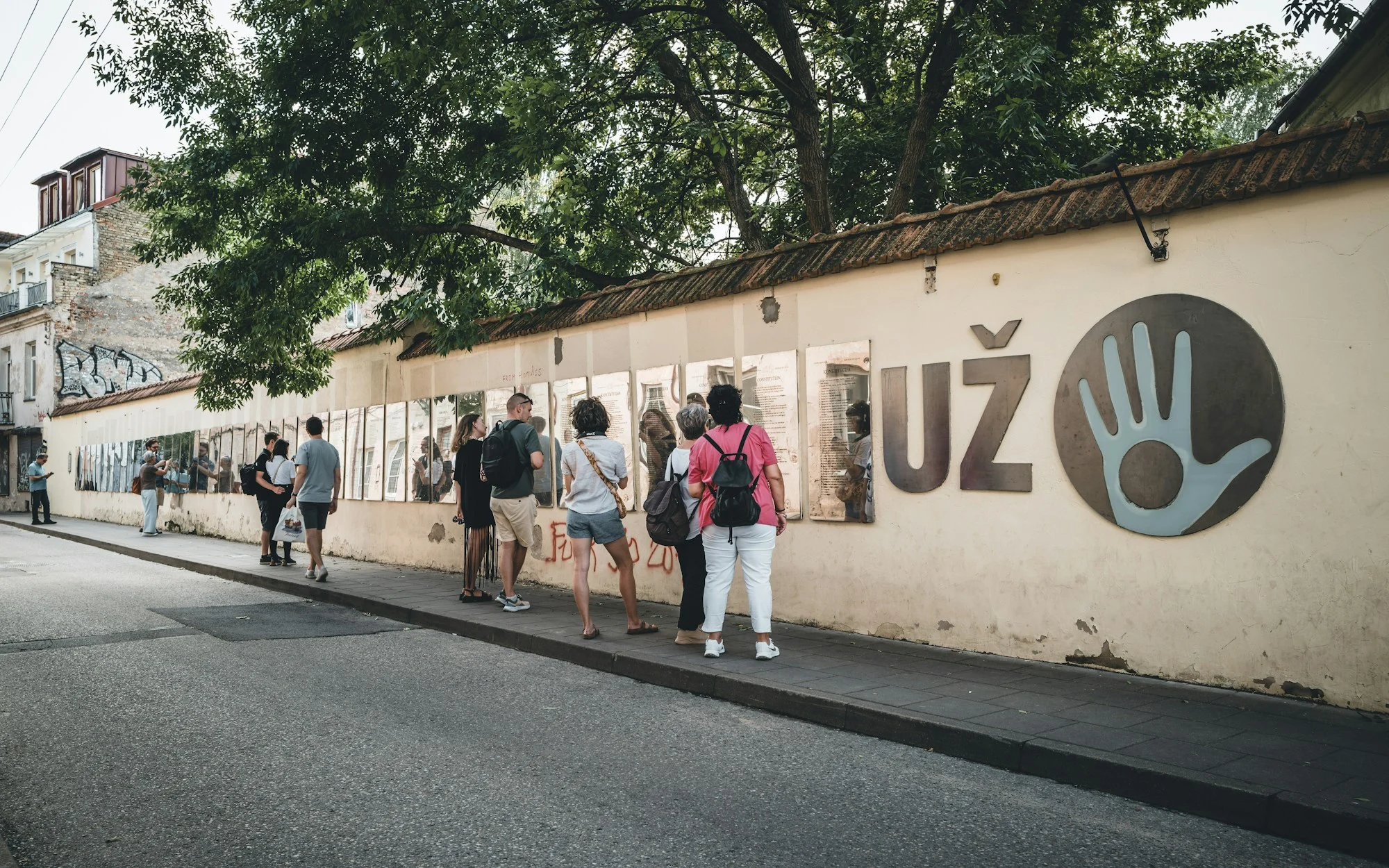
Vilnius's creative side hides in plain sight. Literatų Street, a short lane near the university, is covered in small artworks honouring writers connected to the city — an easily missed gem that repays a slow, close look. Across the river, the backstreets of Užupis reward aimless wandering: beyond the famous Angel and the mirrored Constitution wall lie sculptures, murals, tiny galleries and riverside corners where the bohemian 'republic' feels most itself, away from the main bridge crowds.
For bolder, more contemporary art, head to the post-industrial Naujamiestis district and the Open Gallery, an open-air courtyard where painted factory walls and light installations draw a fraction of the Old Town's crowds. The wider Naujamiestis and station areas hide murals on firewalls and in passages that you'll only find on foot — exactly the kind of discovery that makes a city feel like your own.
Threaded together, these art-led corners form an alternative Vilnius — younger, scrappier and more spontaneous than the Baroque centre, and all the more rewarding for being slightly hidden.
Don't overlook the small museums and house-museums scattered across the city, either. Tucked into quiet streets, the former homes of composers, writers and collectors offer intimate, uncrowded encounters with Vilnius's cultural past — a complete contrast to the big-ticket sights. They rarely appear on a first-timer's list, which is precisely what makes them feel like a discovery, and many can be visited in under an hour.
Atmospheric cemeteries and memory
Few places convey Vilnius's layered history as powerfully as its old cemeteries. Rasos Cemetery, the city's oldest, climbs a wooded hillside southeast of the centre and holds national figures of Lithuanian, Polish and Belarusian culture amid moss-softened headstones and ivy-clad chapels — including the famous 'Mother and Son' mausoleum with the heart of Marshal Józef Piłsudski. It is a moving, contemplative place that asks for quiet respect rather than quick photos.
Nearby Antakalnis, a leafy district stretching along the Neris, has its own significant cemetery and a calm, residential character that feels far from the tourist core. Wandering its quiet streets and green spaces is a window into everyday Vilnius and the city's deeper memory, and it pairs naturally with a visit to Rasos for a thoughtful, history-minded half-day.
Approach these places as living sites of remembrance: keep your voice down, stay on the paths, give mourners space and never photograph funerals or fresh graves. Treated with care, they are among the most affecting corners of the city.
Bernardine Cemetery in Užupis is another quietly affecting choice — a smaller, steeply terraced 19th-century burial ground above the Vilnia, less visited than Rasos but no less atmospheric, with mossy monuments under tall trees. Like Rasos and the Antakalnis cemeteries, it asks for the same respectful, unhurried approach, and rewards it with a profound sense of the city's layered past away from any crowd.
Green corners and slow neighbourhoods
For all its history, Vilnius is one of the greenest capitals in Europe, and its quieter parks and riverbanks are gems in their own right. The Bernardine Garden behind St Anne's is a calm pocket of lawns and a musical fountain on the edge of the Old Town; smaller parks and the wooded slopes of Kalnai offer shade, benches and birdsong a short walk from the bustle. Locals picnic, run and swim along the rivers all summer.
The reborn riverside district of Paupys, next to Užupis, blends new architecture, a food hall and design studios with quiet walks along the Vilnia — a glimpse of contemporary Vilnius that many visitors miss entirely. To go further off-trail, the neighbourhoods beyond the Old Town reveal markets, modernist architecture, local cafés and a more lived-in city.
Spending even half a day in these slower corners — a park, a riverside walk, a neighbourhood café — does more to reveal the texture of Vilnius than another lap of the central sights. That, ultimately, is what the city's hidden gems are for: trading the checklist for a feel of the place.
Venture a little further and the city keeps giving. Modernist and Soviet-era architecture in the outer districts tells a different chapter of Vilnius's story; local markets beyond the central Hales hall buzz with everyday life; and the rivers lead out to green lakes and forest on the city's edge that locals treat as their summer playground. None of this is on the standard tourist circuit, which is exactly why it rewards the curious.
- Bernardine Garden and the Kalnai slopes for green calm on the Old Town edge
- Paupys for riverside walks, a food hall and contemporary design
- Naujamiestis and the outer neighbourhoods for markets, modernism and local cafés
- Rivers and quiet parks where locals run, picnic and swim in summer
Making the most of an off-trail day
The best way to enjoy Vilnius's hidden gems is to build a loose half-day or day around a couple of anchors and let the rest unfold. You might start with a slow Old Town courtyard-and-church wander in the morning, cross into Užupis and Paupys for lunch and riverside time, then climb to Rasos or wander Antakalnis in the contemplative light of late afternoon. None of it needs booking, and most of it is free or cheap.
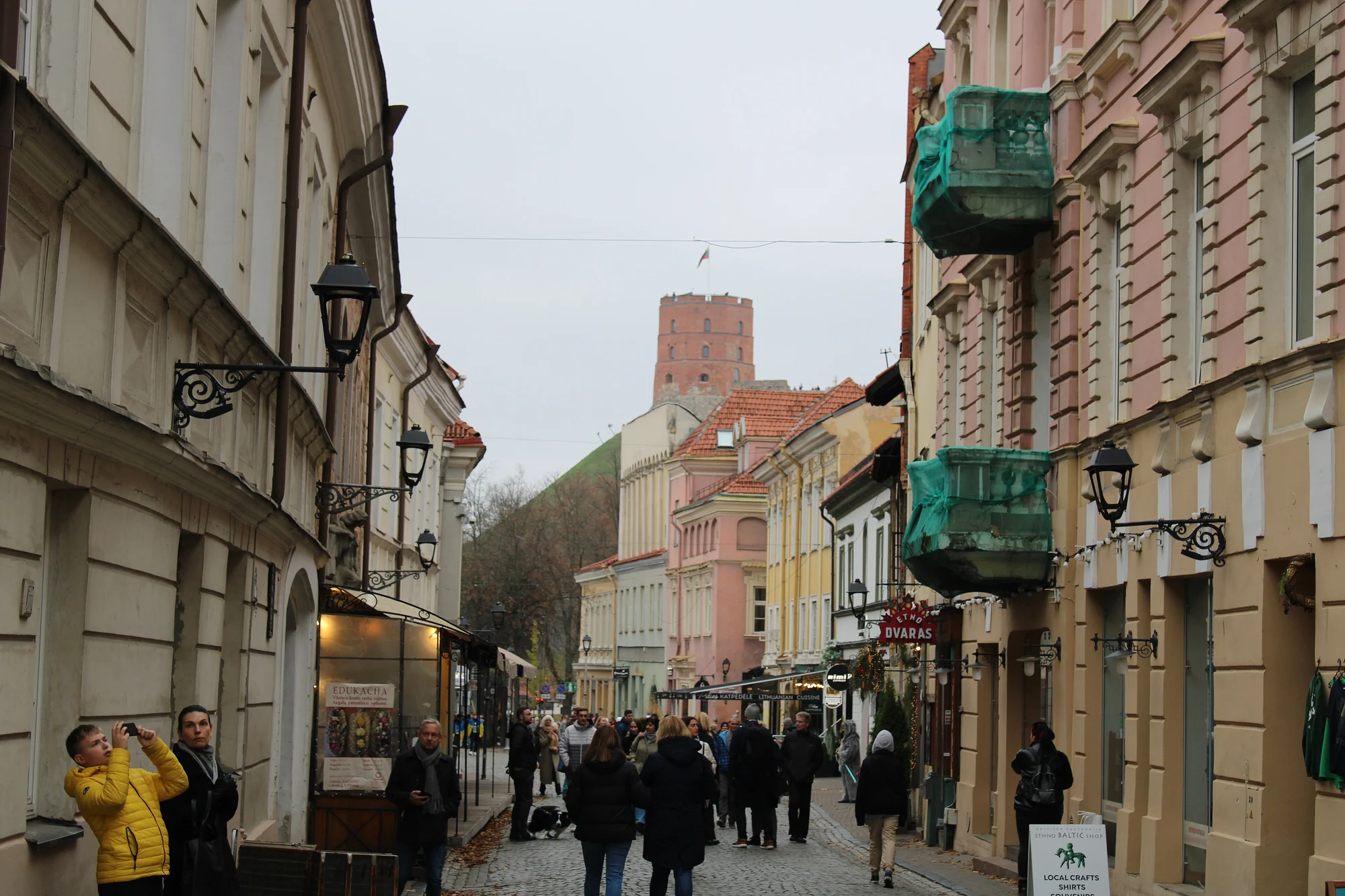
Bring curiosity and comfortable shoes, leave the rigid schedule at the hotel, and follow your instincts down promising lanes. Talk to people where you can — café owners, market traders, the staff at small galleries — who often point you to corners no guide lists. Some of the most treasured discoveries in Vilnius come from a tip, a wrong turn or simply a door left invitingly open.
Above all, give these places the unhurried attention they deserve. Hidden gems aren't about ticking off obscure sights for their own sake; they're about trading the headline checklist for a genuine feel of how Vilnius lives, remembers and creates. Spend a little time off the main routes and you'll leave with a far richer, more personal sense of the city.
Lesser-known museums and curiosities
Vilnius hides a wealth of small, offbeat attractions for those who like their sightseeing with a twist. Quirky monuments and Easter eggs of public art — playful sculptures, hidden plaques, the city's famous miracle tile on Cathedral Square — turn an ordinary walk into a treasure hunt. The bohemian inventiveness of Užupis spills into the surrounding streets, leaving small surprises for anyone paying attention.
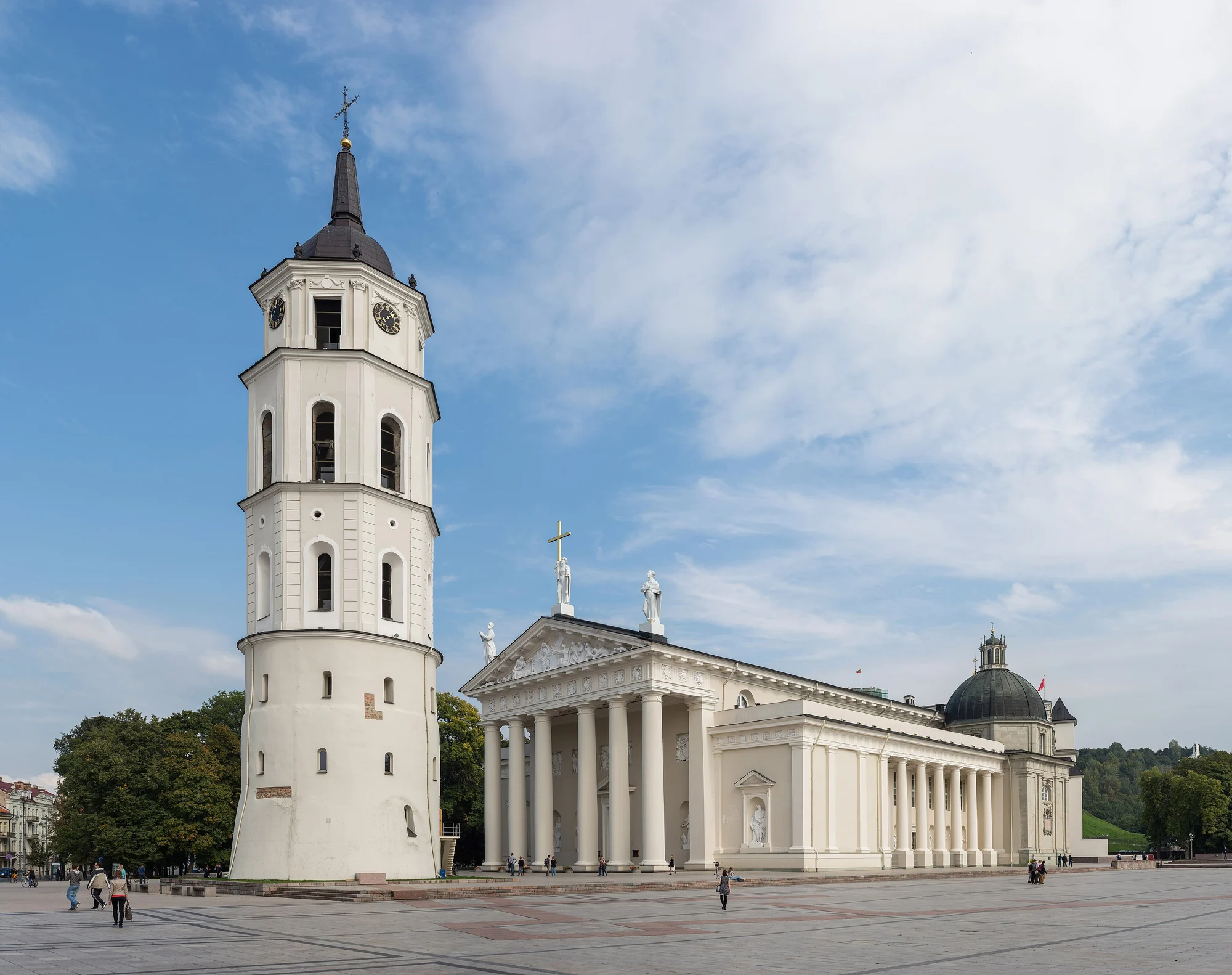
Specialist and house-museums reward niche interests, from amber and applied arts to the homes of cultural figures, and they're rarely busy. Cultural centres and independent galleries host changing exhibitions that even guidebooks miss, so it's always worth checking what's on locally during your stay. These low-key venues give a richer, more personal sense of the city than the headline museums alone.
Seek out, too, the everyday curiosities: a courtyard café known only to locals, a viewpoint deck above the Old Town that few tourists find, a riverside spot where the city comes to swim in summer. Vilnius is full of these small, unheralded pleasures, and collecting your own is far more satisfying than ticking off someone else's list.
Half the pleasure is in the hunt itself: keeping your eyes open for a hidden plaque, a playful sculpture or an unmarked courtyard door turns an ordinary stroll through Vilnius into a quiet game of discovery, and ensures no two days in the city ever feel quite the same.
Riverside Vilnius and the reborn quarters
Some of the city's most appealing hidden corners are its newest. Paupys, the reborn riverside quarter wedged between Užupis and the river, has transformed former industrial land into a walkable district of contemporary architecture, a buzzing food hall, design studios and riverside paths — a glimpse of where Vilnius is heading, and one most short-stay visitors never reach. It pairs perfectly with a wander through Užupis next door.
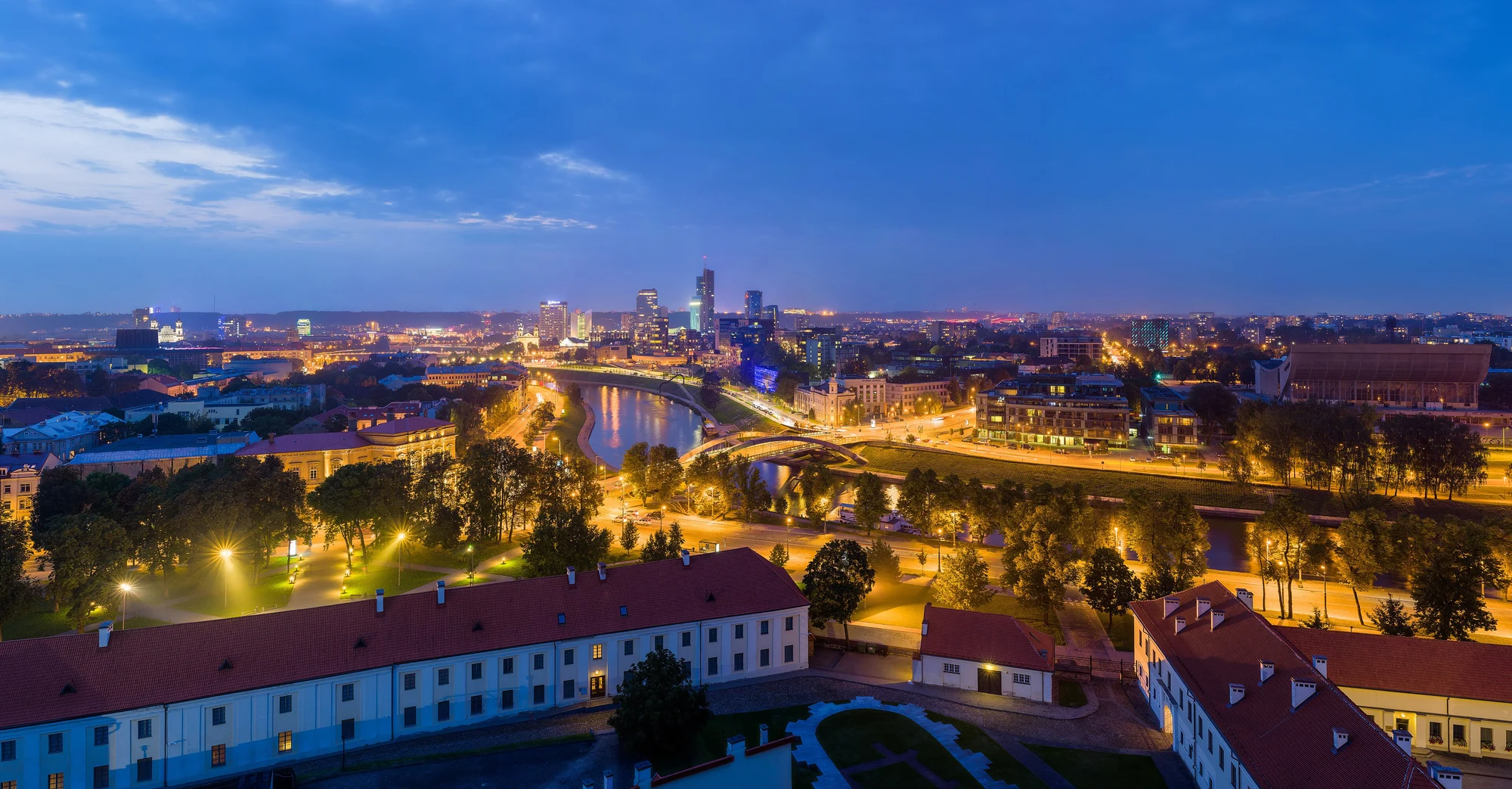
The rivers themselves are an underrated pleasure. The Vilnia winds through Užupis and Paupys at a human, willow-shaded scale, while the broader Neris is lined with cycle and walking paths, beaches and viewpoints that locals use far more than tourists do. Following the water, on foot or by bike, leads you naturally out of the historic core into the everyday life of the city and toward the green spaces on its edge.
Spend an unhurried stretch along these riversides — a coffee in the Paupys food hall, a walk beside the Vilnia, a pause on a bench by the Neris — and you'll feel a side of Vilnius that the Old Town sights, for all their beauty, simply don't show. It's relaxed, contemporary and unmistakably local, and it's one of the best reasons to give the city more than a day or two.
Cycling is one of the best ways to link these riverside and outer corners together cheaply and on your own terms. The Neris has a long, well-used path, and bike-share is widely available, so you can roll from the centre out past beaches, parks and viewpoints that almost no short-stay visitor sees. It's a relaxed, local way to cover ground and stitch the city's quieter quarters into a single, satisfying half-day.
Ultimately, the joy of Vilnius's hidden gems is that there's always one more to find. The city is compact enough to explore thoroughly yet layered enough to keep surprising you, whether that's a courtyard café, a terraced cemetery, a riverside food hall or a mural down an unmarked lane. Give it time, stay curious, tread lightly, and Vilnius rewards you with the kind of discoveries that make a place feel like your own.
These newer quarters also show how Vilnius reinvents itself without losing its soul: old factories become galleries and food halls, riverbanks become parks and beaches, and forgotten corners are quietly brought back to life. Seeking them out is a way of meeting the city as it is now — young, creative and confident — rather than only as a beautifully preserved historic core. It's a side of Vilnius that lingers in the memory long after the famous towers.
Related guides
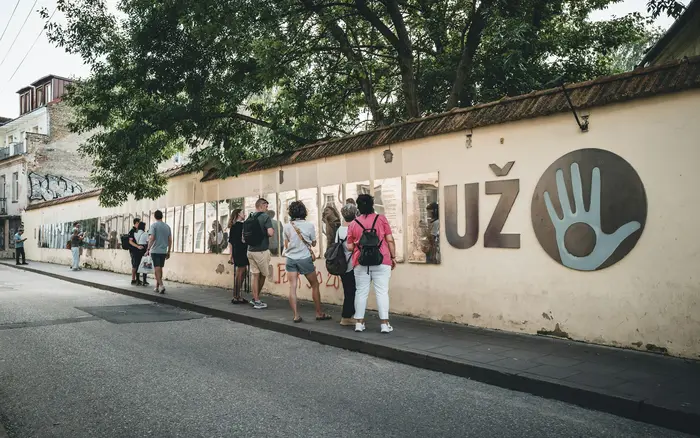
Užupis guide
Explore the self-declared republic: constitution, the Angel, river bridges, galleries, cafés and April 1 spirit.
Read guide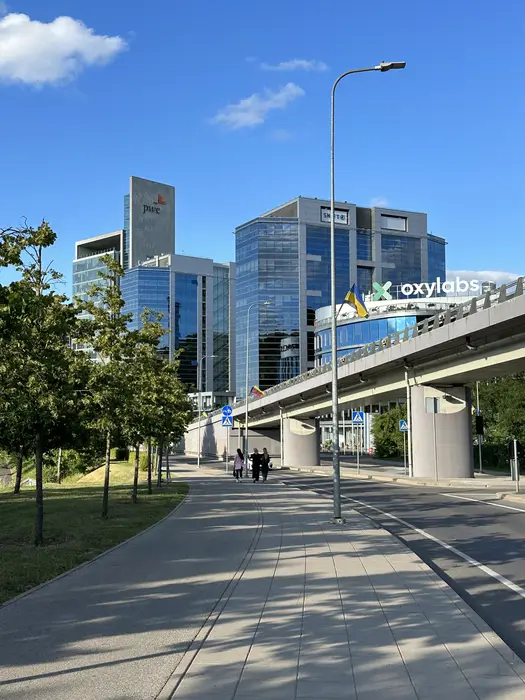
Rasos Cemetery: A Respectful Visitor's Guide
A respectful guide to Rasos Cemetery, Vilnius's oldest and most atmospheric burial ground — Polish-Lithuanian memory, the Piłsudski heart mausoleum, paths, etiquette and whether to take a guide.
Read guide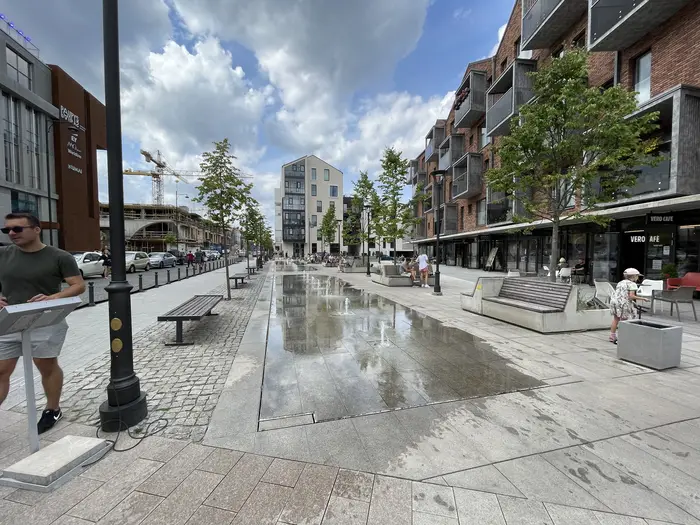
Paupys: Vilnius's New Riverside Quarter
A guide to Paupys, Vilnius's sleek, master-planned riverside neighborhood between the Old Town and Užupis: the Paupio Turgus food hall, design-led public spaces, riverfront paths and how it differs from its historic neighbors.
Read guide