
Vilnius & Trakai Itinerary
How to combine Vilnius and Trakai's island castle in two or three days — the Old Town highlights without rushing, plus a relaxed lakeside day at the storybook castle, reachable by train or bus without a car.
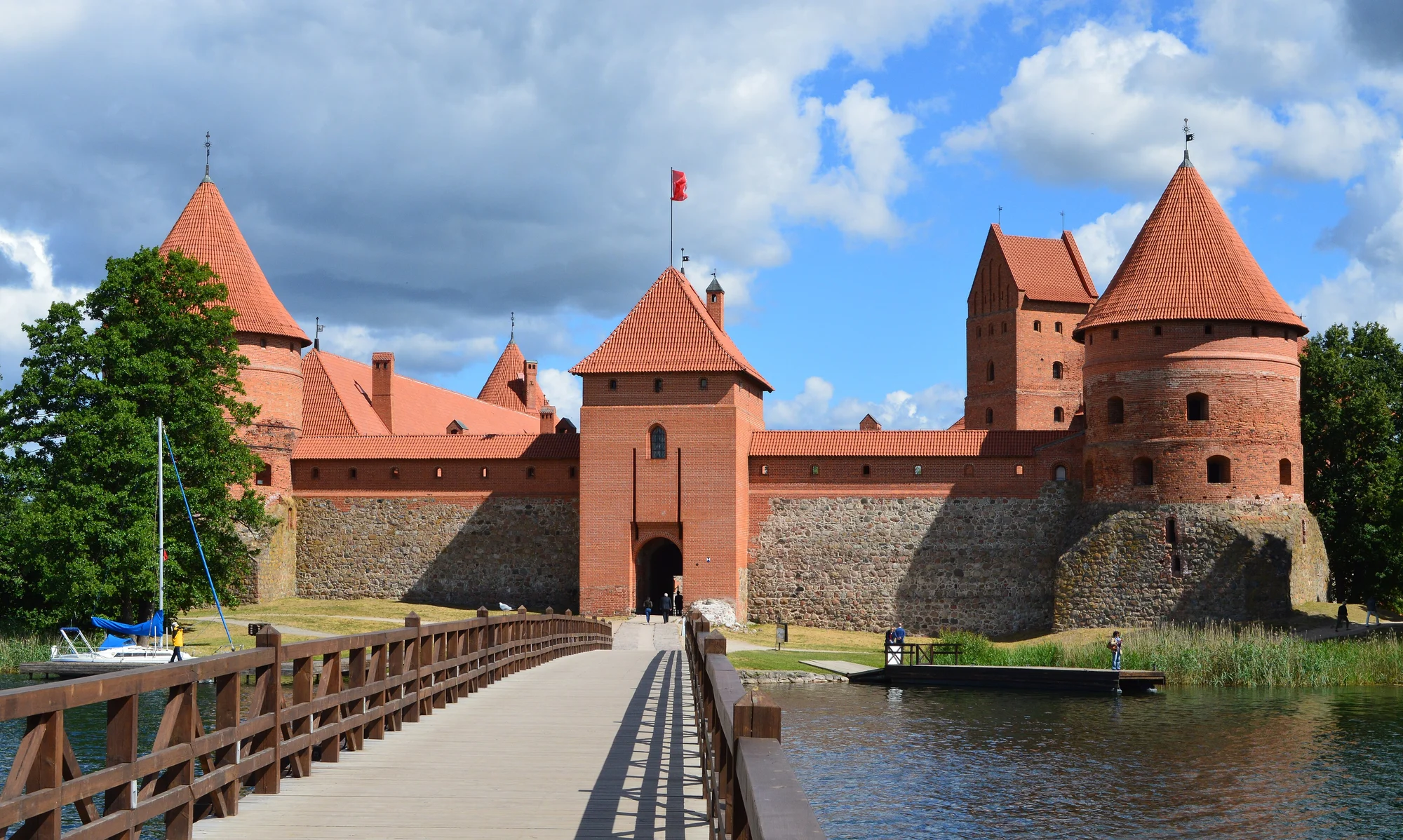
- ✓Trakai's red-brick island castle on its lake is the single most popular day trip from Vilnius — about half an hour west, and easy without a car.
- ✓Two days lets you pair the Old Town essentials with a full lakeside day at Trakai; three days adds depth and a slower pace.
- ✓Reach Trakai by train or bus from Vilnius; from the town it's a lakeside walk to the castle bridge.
- ✓Trakai is the historic capital of the Grand Duchy and home to the Karaim community — try their kibinai pastries by the water.
- ✓Pace it as a relaxed full day at the castle rather than a rushed half-day; the lake and town deserve time of their own.
Pairing the city and the castle
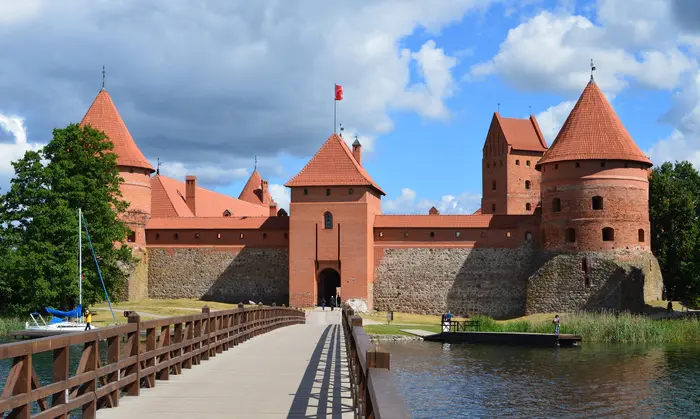
Trakai is the day trip everyone takes from Vilnius, and for good reason: a red-brick Gothic castle, complete with towers and a moat, sitting on its own island in a lake about half an hour west of the capital. It looks like something from a fairy tale, and after a couple of days of Baroque churches and city streets, the change of scene — water, forest, a real castle you can walk into — is exactly what a trip needs. Best of all, it's genuinely easy to reach without a car, which makes combining the two a simple, low-stress plan.
This itinerary shows how to fit both together without rushing either. The core is two days: one for the Old Town essentials, one for a relaxed full day at Trakai. With a third day you can slow the city portion down, add a neighborhood or a museum, and give Trakai's town and lakes the unhurried time they deserve rather than treating the castle as a tick-box. Either way, the aim is balance — enough of Vilnius to feel the city, and a proper day out at the lake.
The reason to give Trakai a whole day rather than squeezing it into a half is that there's more there than the castle photo. Trakai was the historic capital of the Grand Duchy of Lithuania before Vilnius, and the town has its own history, including the Karaim — a small Turkic community brought here in the 14th century, whose wooden houses and distinctive cuisine still define the lakeside town. The lakes themselves invite a boat trip in summer or a lakeside walk in any season, and the whole place rewards a slower pace.
Practically, this is one of the most car-free-friendly trips you can do from Vilnius: regular trains and buses run to Trakai, and everything in the town is walkable. As always, confirm current train and bus times and the castle's opening hours before you go — schedules shift with the season, and the castle keeps reduced hours in winter.
Day 1 — the essential Vilnius Old Town
Spend the first day getting the measure of Vilnius. Start at Cathedral Square, the city's ceremonial heart at the foot of Castle Hill, then climb (or take the funicular) up to Gediminas' Tower for the orientation view — the red roofs, the river, the spires laid out below. It's the best possible introduction, and it makes everything you see afterward make sense. The tower's small museum tells the story of the castle and the city's founding.
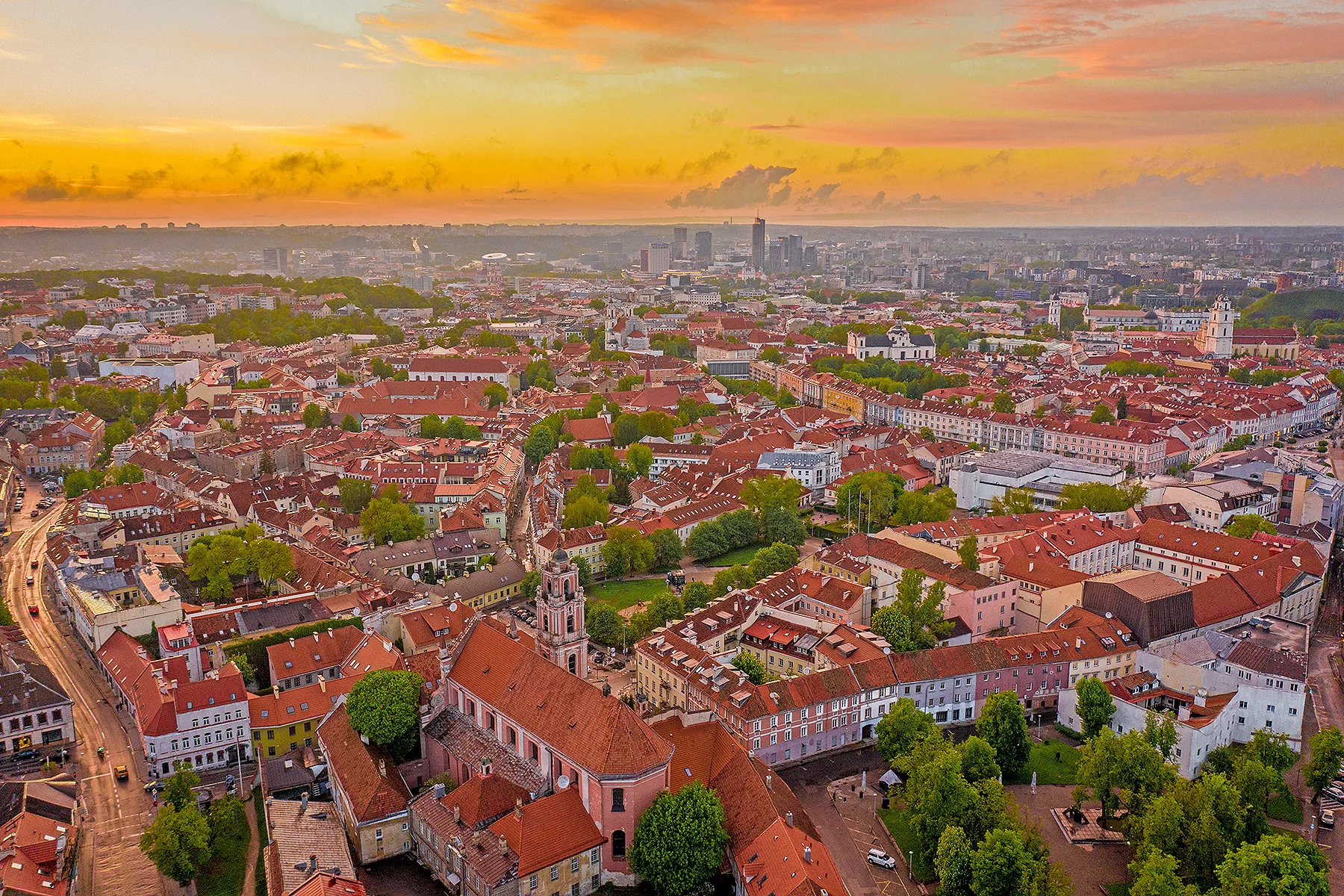
Come down and walk the historic core along Pilies Street, the cobbled spine of the Old Town, pausing for the great set-pieces: the nested courtyards of Vilnius University, one of the oldest in this part of Europe; the soaring Baroque interior of St Peter and St Paul or the red-brick Gothic of St Anne's; and the pilgrimage shrine at the Gates of Dawn, the last surviving city gate. Break for a proper Lithuanian lunch somewhere along the way — cepelinai, a bowl of soup, dark rye.
In the afternoon, cross the little bridge into Užupis, the bohemian self-declared 'republic' across the Vilnia, with its tongue-in-cheek constitution on a wall, the bronze Angel on its column, and a scatter of galleries and riverside cafés. It's a complete change of mood from the grand Old Town — arty, offbeat and walkable — and a lovely place to drift through as the day winds down. If you want a museum, slot in the MO Museum or the Palace of the Grand Dukes earlier in the day.
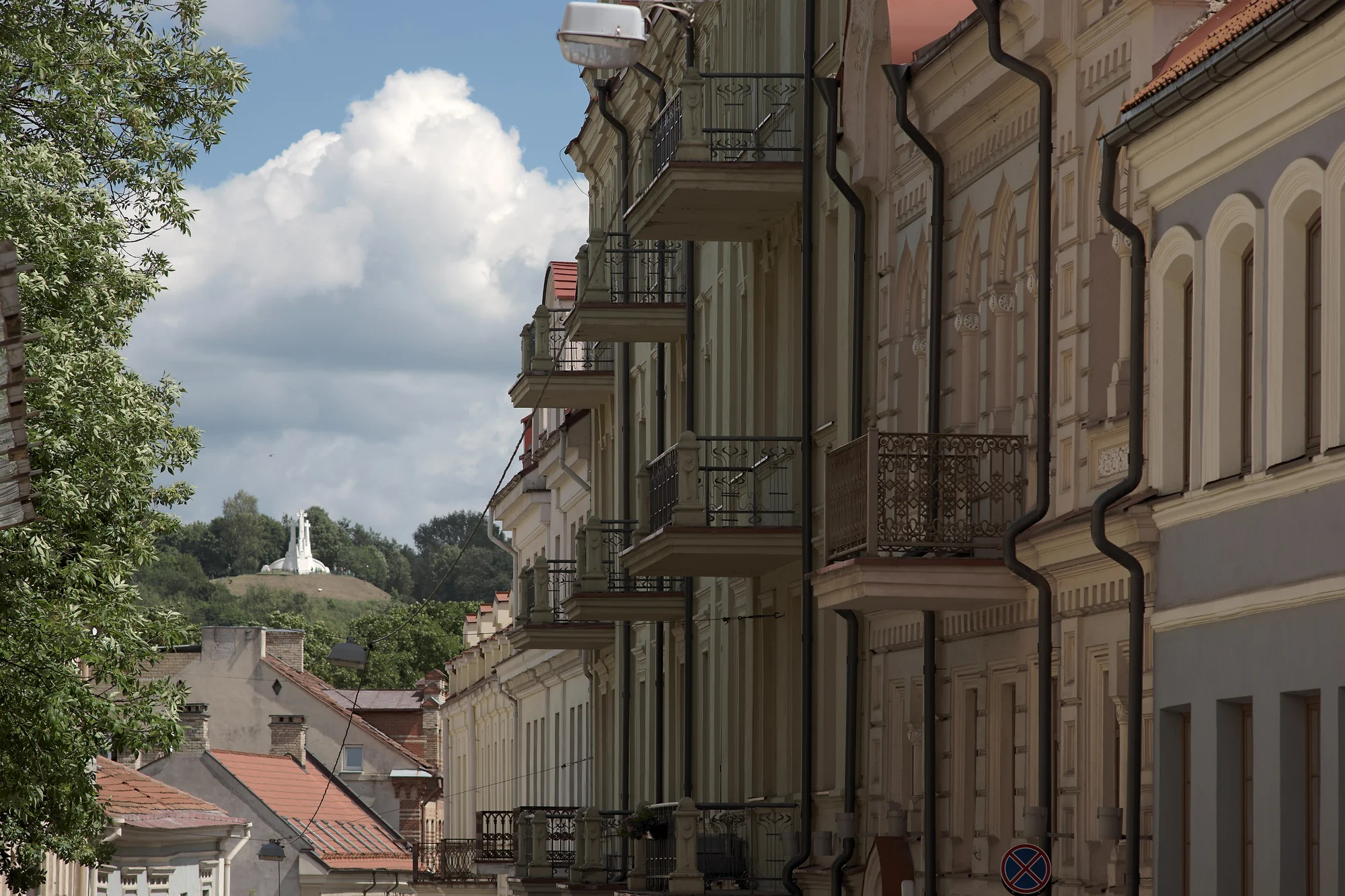
Round off with a viewpoint at golden hour — Three Crosses Hill for the classic panorama over the Old Town — and a relaxed dinner back in the centre. Day one is deliberately full but walkable; almost everything sits within a fifteen-minute stroll, so you can take it at an easy pace with plenty of stops for coffee and photographs. The point is to feel the city before you leave it for the lake.
- Cathedral Square and Castle Hill — Gediminas' Tower and the orientation view.
- The Old Town spine — Pilies Street, the university, St Anne's, the Gates of Dawn.
- Užupis — the artists' republic, the Angel and the constitution wall.
- A golden-hour viewpoint at Three Crosses Hill, then a relaxed dinner.
The UNESCO core — gates, churches, courtyards and squares.
Best Things to Do in VilniusThe ranked first-trip shortlist to shape your city day.
UžupisThe bohemian river republic across the Vilnia.
Map pins
Map data © OpenStreetMap contributors · Tiles © OpenFreeMap
Day 2 — a full day at Trakai
Give the second day entirely to Trakai. Take a mid-morning train or bus out from Vilnius — both are cheap, frequent and take roughly half an hour — and from Trakai station it's a pleasant walk (or a short ride) through the town and along the lakeshore to the castle. Don't rush the approach: the town strings along a peninsula between lakes, lined with the colourful wooden houses of the Karaim community, and the first glimpse of the castle across the water is part of the pleasure.
The Island Castle itself is the day's centrepiece. Reached by a wooden footbridge across the lake, the restored 14th–15th-century fortress houses the Trakai History Museum, laid out around courtyards, galleries and the central keep. Allow a couple of unhurried hours to explore the rooms, the exhibitions and the ramparts, with the lake views at every turn. It's a real castle to wander rather than a quick photo stop, and the setting — water on all sides, forest beyond — is unforgettable.
Around the castle, make a day of the town and the lake. Try kibinai, the warm, half-moon pastries filled with meat that are the Karaim speciality and the local thing to eat — lakeside cafés serve them fresh. In summer, hire a rowing boat, pedalo or yacht to see the castle from the water, or simply walk the lakeshore paths. The Peninsula Castle ruins and the Karaim ethnographic exhibition add depth for those who want it, and the whole town is small and easily walkable.
Head back to Vilnius in the late afternoon or early evening, in time to rest before a final dinner in the city. Pacing Trakai as a full, relaxed day — rather than a half-day rush — is what turns it from a tick-box into a highlight. Confirm the castle's opening hours and the return train and bus times before you set out, especially in winter when the castle and the boats keep shorter seasons.
- Train or bus out mid-morning; walk the lakeside town to the castle bridge.
- Trakai Island Castle and its History Museum — give it a couple of unhurried hours.
- Eat kibinai by the water; hire a boat in summer or walk the lakeshore.
- Back to Vilnius late afternoon; confirm castle hours and return times in advance.
Day 3 (optional) — slow Vilnius and the lakes
With a third day, you have the luxury of not rushing either place. Use the morning to go deeper into Vilnius — a neighborhood you skipped, a museum you ran out of time for, a long café breakfast and a slower wander through the Old Town's quieter lanes. The city rewards a second, unhurried look, and the third day is where the small details — courtyards, side-street churches, the literary wall of Literatų Street — come into focus.
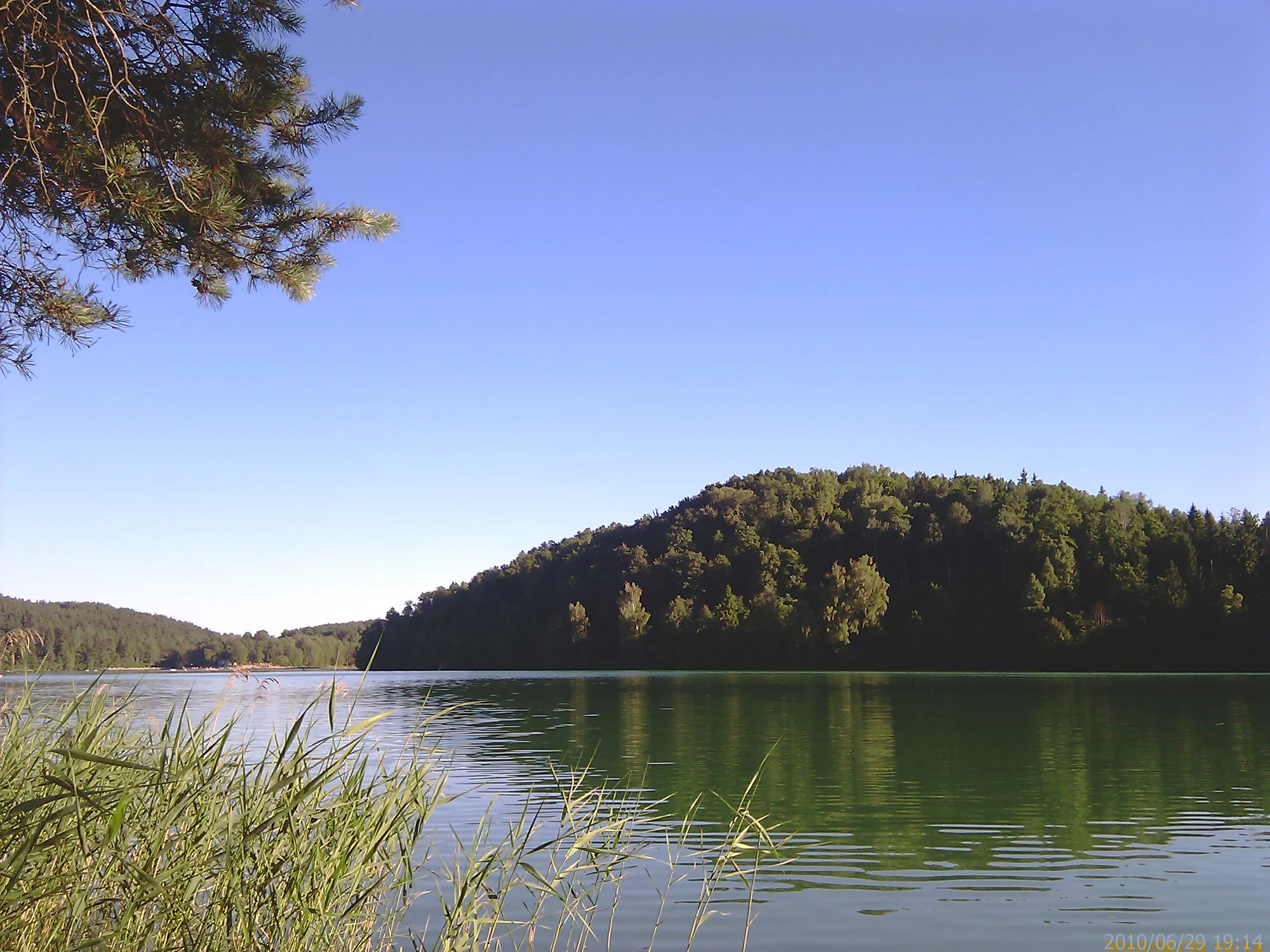
Alternatively, give the extra day back to nature near Trakai or the city's green edges. Trakai sits within a national park of lakes and forest, and a second visit (or a longer first one) lets you walk the trails, take a longer boat trip, or simply picnic by the water away from the castle crowds. Closer to Vilnius, the Green Lakes offer forest and swimming spots within easy reach for a half-day in nature.
A third day is also the natural moment to slow the food and drink down — a long lunch, a wine bar, a market-hall graze, or a sauna to round off an active couple of days. The combination of a compact, walkable city and an easy lakeside escape means you can shape the trip to your own pace, mixing culture, nature and rest however suits you.
However you use it, the Vilnius-and-Trakai trip works best when it isn't crammed. Two days does the essentials well; three turns a good trip into a relaxed one. Keep the plan loose, follow the weather, and confirm transport and opening hours before you go — and you'll come home with both the city and the castle properly seen, not just glimpsed.
- A slow Vilnius morning — a missed neighborhood, museum or quiet Old Town lanes.
- Or more nature — the Trakai national park lakes and trails, or the Green Lakes.
- A long lunch, a wine bar or a sauna to wind down an active trip.
- Keep it unhurried; two days does the essentials, three makes it relaxed.
When to go and how to combine the trip
Trakai changes character with the seasons, and that's worth factoring into when you go. Summer is the liveliest: the lake fills with boats, you can hire a rowing boat, pedalo or yacht, the lakeside cafés spill outdoors, and the castle and town are at their busiest. Autumn brings golden forest reflected in the water and thinner crowds — arguably the most photogenic season. Winter is quiet and atmospheric, the castle striking against snow and a frozen lake, though the boats stop and the castle keeps reduced hours. Spring is the gentle reawakening. There's no wrong season, but matching your expectations to the time of year — boats in summer, colour in autumn, hush in winter — makes for a better day.
Think about how the two halves of the trip fit together rather than treating them as separate. The smart structure is to front-load the city — get your bearings, see the Old Town and a viewpoint on day one — so that by the time you head to Trakai you've earned the change of scene and can simply enjoy the lake without feeling you're missing the city. Save any city loose ends (a museum, a neighborhood, a long dinner) for after Trakai, when you're back and relaxed. This way each part gets your full attention.
For most visitors the trip works best without a car. Trakai is well served by frequent trains and buses from Vilnius, both cheap and taking around half an hour, and everything in the town and around the castle is walkable. A car only really earns its place if you want to roam the wider national park, combine Trakai with other rural stops, or travel as a larger group; otherwise the train is simpler, cheaper and lets you relax. If you'd rather not plan the logistics at all, organised half- and full-day tours from Vilnius cover Trakai comfortably.
However you build it, give Trakai a proper day rather than a rushed half-day, and keep the city portion unhurried too. The whole appeal of pairing Vilnius and Trakai is that neither needs rushing — the city is compact and the castle is close — so resist the urge to over-pack the plan. Confirm current train and bus schedules and the castle's seasonal opening hours before you set out, especially in winter, and let the trip breathe.
- Match the season to your hopes: boats in summer, golden colour in autumn, hush in winter.
- Front-load the city, then enjoy Trakai; save city loose ends for after the lake day.
- The train or bus beats a car for most visitors; tours cover it if you'd rather not plan.
- Give Trakai a full, relaxed day; confirm seasonal castle hours and transport times first.
Related guides
Trakai Day Trip
A complete Trakai day trip from Vilnius: how to get there, the island castle, Karaim kibinai, lake boating and a relaxed plan that doesn't feel rushed.
Read guideTrakai Island Castle: A Day Trip from Vilnius
How to visit Trakai Island Castle from Vilnius: tickets, opening hours, the bridge approach, the museum route, lake views, kibinai, and how to pace the whole island day.
Read guide
Two Days in Vilnius: The Perfect 48-Hour Itinerary
A balanced two-day Vilnius itinerary: the Baroque Old Town and Gediminas Hill on day one, the MO Museum, bohemian Užupis and the Paupys riverside on day two, paced for couples with time for slow coffee and a sunset.
Read guide