
Best Time to Visit Vilnius
When to visit Vilnius, season by season: weather and daylight, festivals and Christmas markets, food, day trips, crowds and hotel value — so you can pick the trip that suits you.
- ✓There's no single best month — Vilnius rewards different travellers in summer warmth, shoulder-season calm and deep-winter romance.
- ✓June to August is peak: long daylight, river beaches, outdoor cafés and the fullest festival calendar, but the highest prices.
- ✓May and September are the sweet spot for many — mild weather, real festivals, fewer crowds and better hotel value.
- ✓December turns the Old Town into a Christmas-market postcard, with one of Europe's prettiest tree displays on Cathedral Square.
- ✓Daylight swings hugely: from after 10pm sunsets at midsummer to mid-afternoon dusk in December — plan your days accordingly.
The short answer
The best time to visit Vilnius depends on what you're after, but if you want the simplest recommendation: aim for late spring or early autumn. May, early June and September give you mild, walkable weather, genuinely long evenings, an active festival calendar and noticeably better value than high summer — without the cold and short days of the winter months. That's the window most travellers will be happiest in.
That said, every season here has a strong case. Peak summer delivers warmth, river beaches and the city at its most outdoor and alive. Deep winter, especially December, trades daylight for one of the most atmospheric Christmas-market seasons in the Baltics. And the quiet shoulder weeks reward anyone who values calm streets, autumn colour and a cheaper hotel. The rest of this guide weighs up each season so you can match Vilnius to the trip you actually want.
A useful frame before you choose: Vilnius is a year-round destination, but the experience changes more between seasons than in milder European cities. The same Old Town that fills with terrace tables and balloon-watchers at midsummer becomes a snow-dusted, lamplit postcard in December, and a golden, half-empty stage in October. None of these is 'better' in the abstract — they're simply different trips. So decide by the version of Vilnius you want to meet, then let the practical details (daylight, festivals, prices) confirm the month.
Three variables do most of the deciding: weather and daylight, which set the rhythm of your days; crowds and prices, which peak in high summer and the December market weeks; and festivals, which can be the whole reason to pick a particular fortnight. Weigh those three against what matters most to you and the right season usually becomes obvious. Below we go through each one in turn, then close with a quick steer by traveller type so you can match Vilnius to your trip with confidence.
Summer (June–August): warm, long and lively
Summer is Vilnius at full volume. Daylight is enormous — around midsummer the sun sets close to 10pm and the sky never fully darkens — which stretches every day and fills the city's terraces, courtyards and river beaches well into the evening. Temperatures are comfortably warm rather than fierce, the parks are green, and the outdoor café culture that defines a Vilnius summer is in full swing. It's also balloon season, with hot-air balloons drifting over the Old Town on calm evenings, a sight that's genuinely unique to this capital.
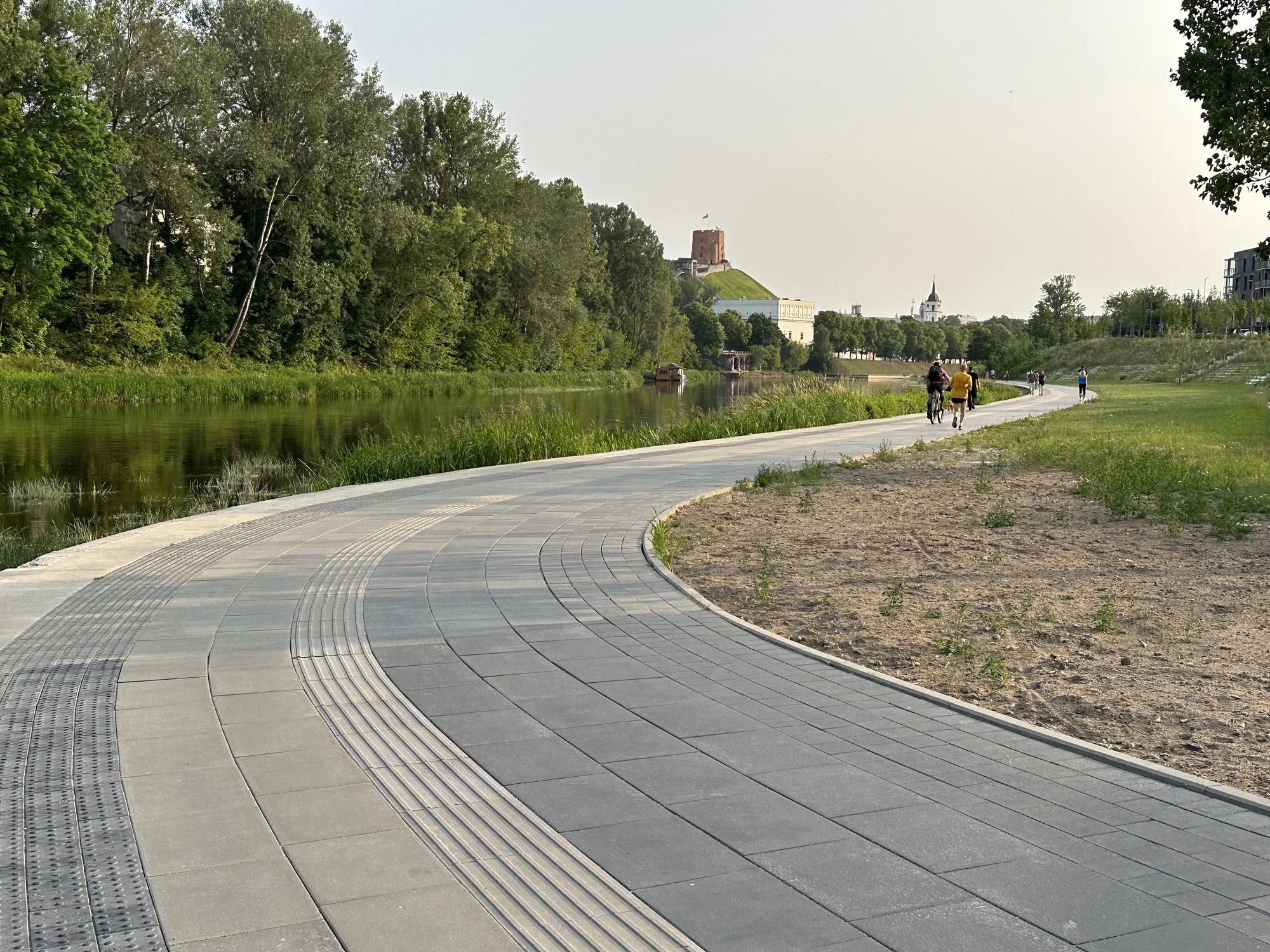
This is peak season, so expect the most visitors and the highest hotel prices of the year, particularly in July and August. It's also the strongest weather window for day trips: Trakai's lake, the nature parks and the Green Lakes are at their best when it's warm enough to swim or picnic. If you're set on summer, book accommodation early and consider the quieter early-June weeks before the peak fully lands.
Summer also brings the city's open-air event calendar to life — street festivals, outdoor concerts, food markets and the spontaneous riverside energy that only long, warm evenings produce. The flip side of all that life is that the most popular restaurants, terraces and tours fill up, so reserving ahead for dinner and any guided day trips pays off. Pack for warmth but keep a light layer and a compact waterproof on hand: even in July, an evening by the river can cool quickly and a passing shower is never far away in this part of the Baltics.
- Long daylight (sunset near 10pm at midsummer) and warm, café-friendly evenings.
- Best weather for swimming, picnics and nature day trips.
- Busiest and most expensive — book hotels well ahead.
- Balloon season: weather-permitting flights over the Old Town.
Where to go when the summer weather is on your side.
Vilnius in MayThe warm-up to summer, with festivals and fewer crowds.
Map pins
Map data © OpenStreetMap contributors · Tiles © OpenFreeMap
Autumn (September–November): colour, calm and value
Autumn is quietly one of the best times to come. September often holds onto summer's warmth with a fraction of the crowds, and as the season turns, the city's many parks — Bernardine Gardens, Vingis, the hills around the centre — light up with golden colour that suits Vilnius's mellow, romantic mood. Hotel prices ease off after the summer peak, and the cafés and restaurants that spill outdoors in July move their warmth indoors, making it a cosy season for long lunches and gallery afternoons.
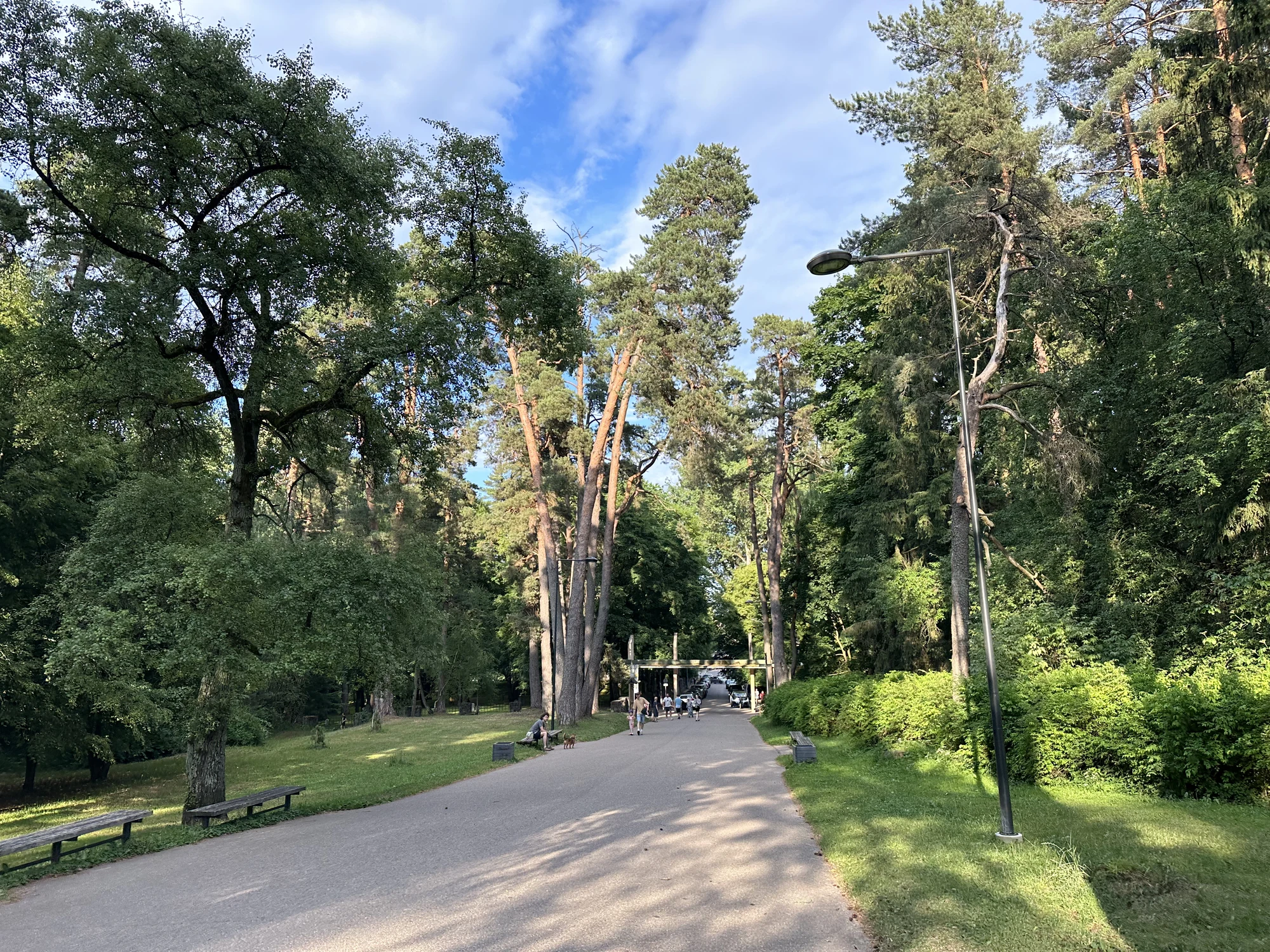
The trade-off is weather that grows changeable and, by November, often grey, wet and chilly as the city slides toward winter. Daylight shortens noticeably. Pack a waterproof and layers, plan a couple of indoor anchors — museums, churches, cafés — into each day, and you'll find autumn delivers the city's best balance of atmosphere, value and breathing room. It's an ideal time for a slower, couples-paced visit.
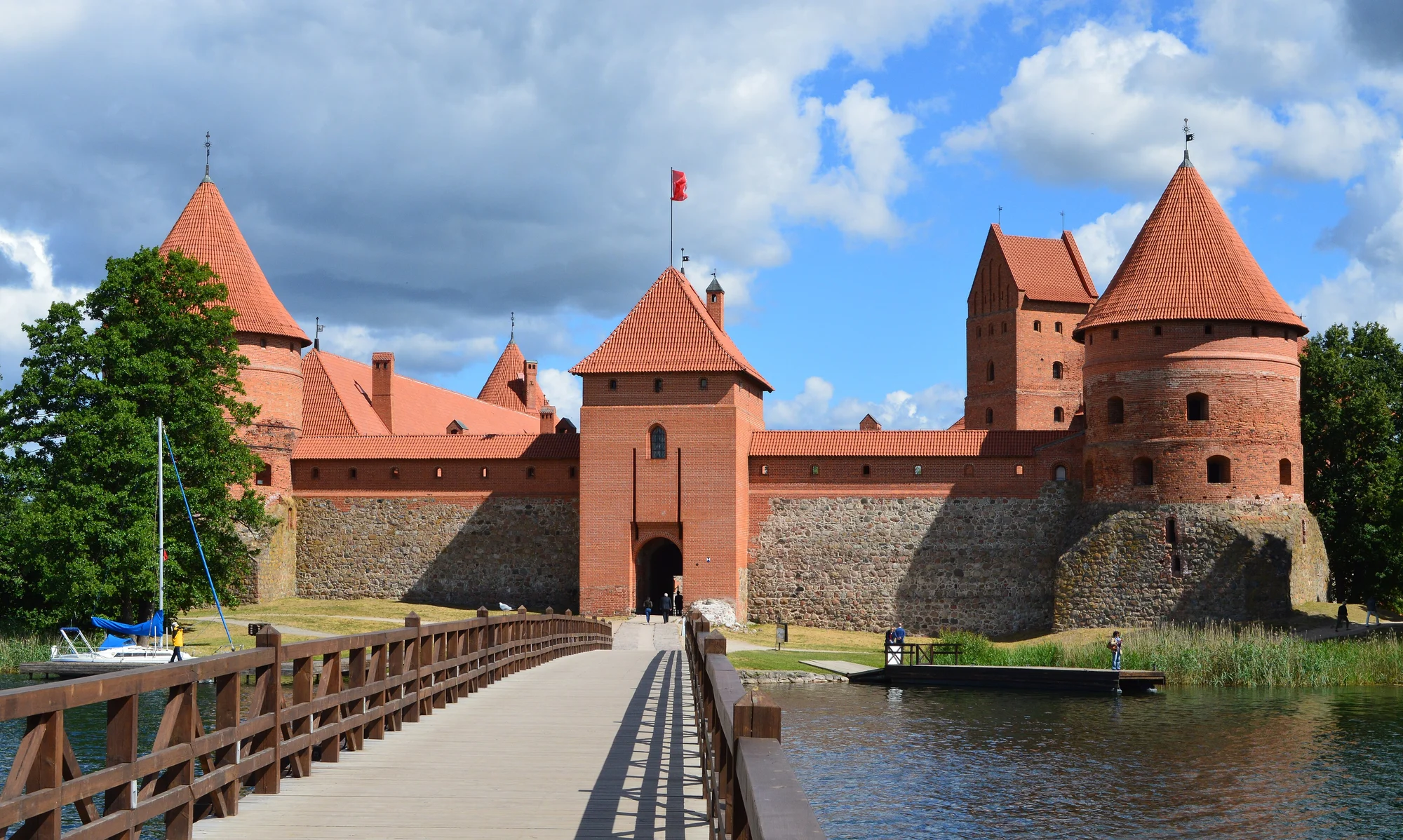
Autumn is also a quietly excellent season for day trips while the weather holds: Trakai is glorious framed by turning trees, and the regional parks and forest trails around the city are at their most photogenic. Aim for late September or early October to catch the colour before the wetter, darker weeks set in. By the tail end of November you're effectively into early winter — colder, greyer and shorter — so treat that as a different (and cheaper) proposition: a cosy, indoor-leaning city break rather than an outdoor one.
- September can still feel summery, with far fewer visitors.
- Peak autumn colour in the parks; cosy, indoor-leaning café culture.
- Better hotel value than summer; calm, photogenic streets.
- November turns grey and wet — pack rain layers and plan indoor backups.
Winter (December–February): cold, snowy and magical
Winter in Vilnius is cold, frequently snowy, and — done right — utterly enchanting. December is the headline: the Christmas market on Cathedral Square is built around a famously elaborate tree, the Old Town glows with lights, and the whole compact centre takes on a postcard quality that's hard to beat in the region. The cold is real (sub-zero spells are normal) and daylight is short, with dusk arriving in mid-afternoon, so winter days are about quality over quantity: a snowy morning walk, a long lunch, a museum, and the lit streets after dark.
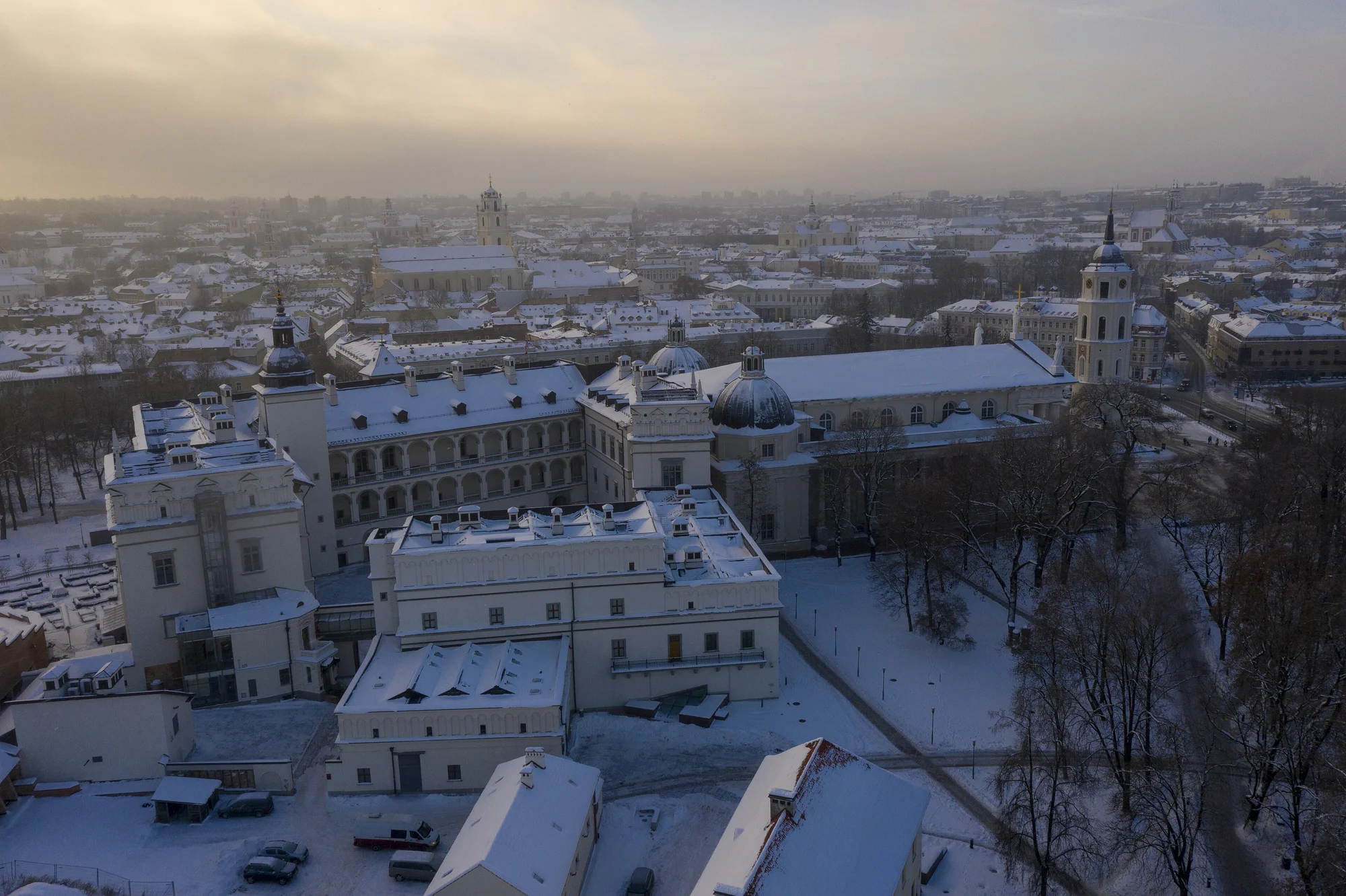
January and February are the deepest, quietest and cheapest months, rewarding travellers who lean into the season with warm cafés, saunas, museums and the occasional crisp blue-sky day over a snow-dusted Old Town. The practical caveats matter most now: dress properly for the cold, wear shoes with grip for icy cobbles and the hill climbs, and build flexibility into day trips, which can be weather-dependent in deep winter.
Winter's payoff is atmosphere and value in equal measure. Hotel rates are at their lowest, the famous sights are uncrowded, and the city's strong indoor culture — museums, galleries, long café lunches, saunas — is perfectly suited to short, cold days. If you choose winter, design your days around it: a brisk morning walk while the light is good, a warm midday anchor, and the lit streets and a candlelit dinner after dark. Treated that way, a Vilnius winter is one of the most romantic trips in the region rather than a compromise.
- December: Christmas market, the famous tree and lit Old Town.
- Short daylight (mid-afternoon dusk) — plan compact, cosy days.
- January–February: coldest, quietest and best-value months.
- Dress warm; grippy shoes are essential on icy cobbles and hills.
Spring (March–May): the city waking up
Spring is a season of momentum. March can still be wintry and is best known for the huge Kaziukas craft fair that fills the Old Town with stalls; April brings the first real warmth, longer days and Užupis's tongue-in-cheek Republic Day; and by May the city is properly green, festival season is in full flow, and the evenings are long enough to linger outdoors again. Hotel value is still reasonable before the summer peak, and the crowds remain manageable, which makes late spring one of the most rewarding times to come.
The weather is the catch — spring is changeable, swinging from warm sun to cold rain within a day, so layers and a waterproof are non-negotiable. But for a visitor who wants festivals, blossom and long light without summer prices or crowds, May in particular is hard to beat, and it's the month we'd point most first-timers toward if their dates are flexible.
Spring also reawakens the city's outdoor life gradually rather than all at once, which is part of its charm: the first café tables reappear, the parks green up, the Sakura cherry blossoms draw locals out, and by late May the evenings are long enough to feel almost like summer. If you can be flexible, watch the forecast and aim for a settled spell — a sunny week in May delivers nearly everything a summer trip does, for less money and with more elbow room.
- March: still cool, but the Kaziukas Fair is a highlight.
- April: warming up, longer days, Užupis Republic Day, cherry blossom.
- May: green, festival-rich, long evenings and good value — a top pick.
- Changeable weather throughout — layers and a waterproof essential.
Festivals and events through the year
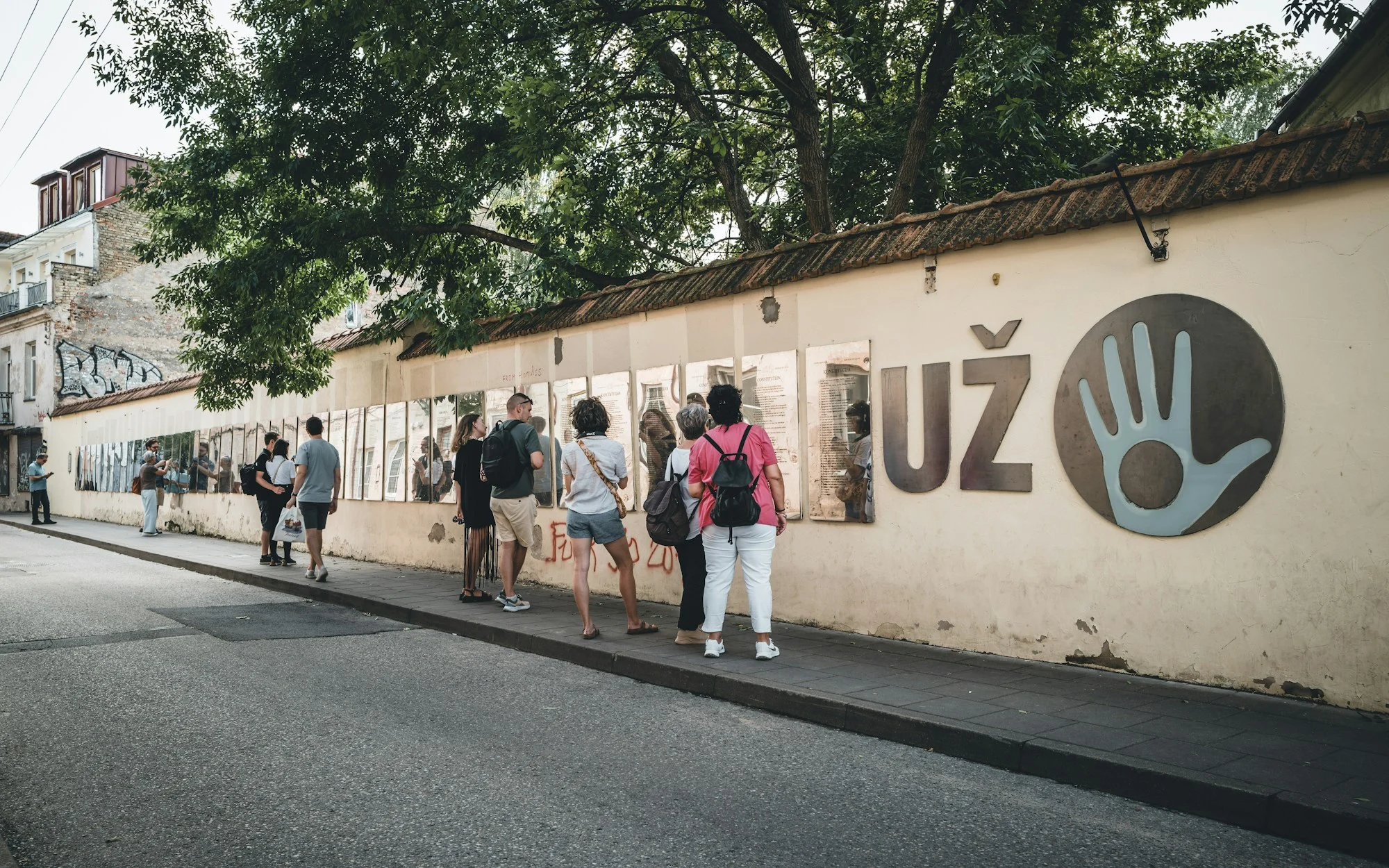
If your trip can flex around an event, Vilnius has a rich calendar that rewards good timing. Early March brings the Kaziukas Fair (Kaziuko mugė), a huge traditional craft market that floods the Old Town streets with stalls, food and folk craft — one of the city's most beloved traditions. Spring layers on more: Užupis celebrates its tongue-in-cheek Republic Day on 1 April, and May is packed, with the Pink Soup Festival, Museum Night and Street Music Day all turning the city outward and outdoors.
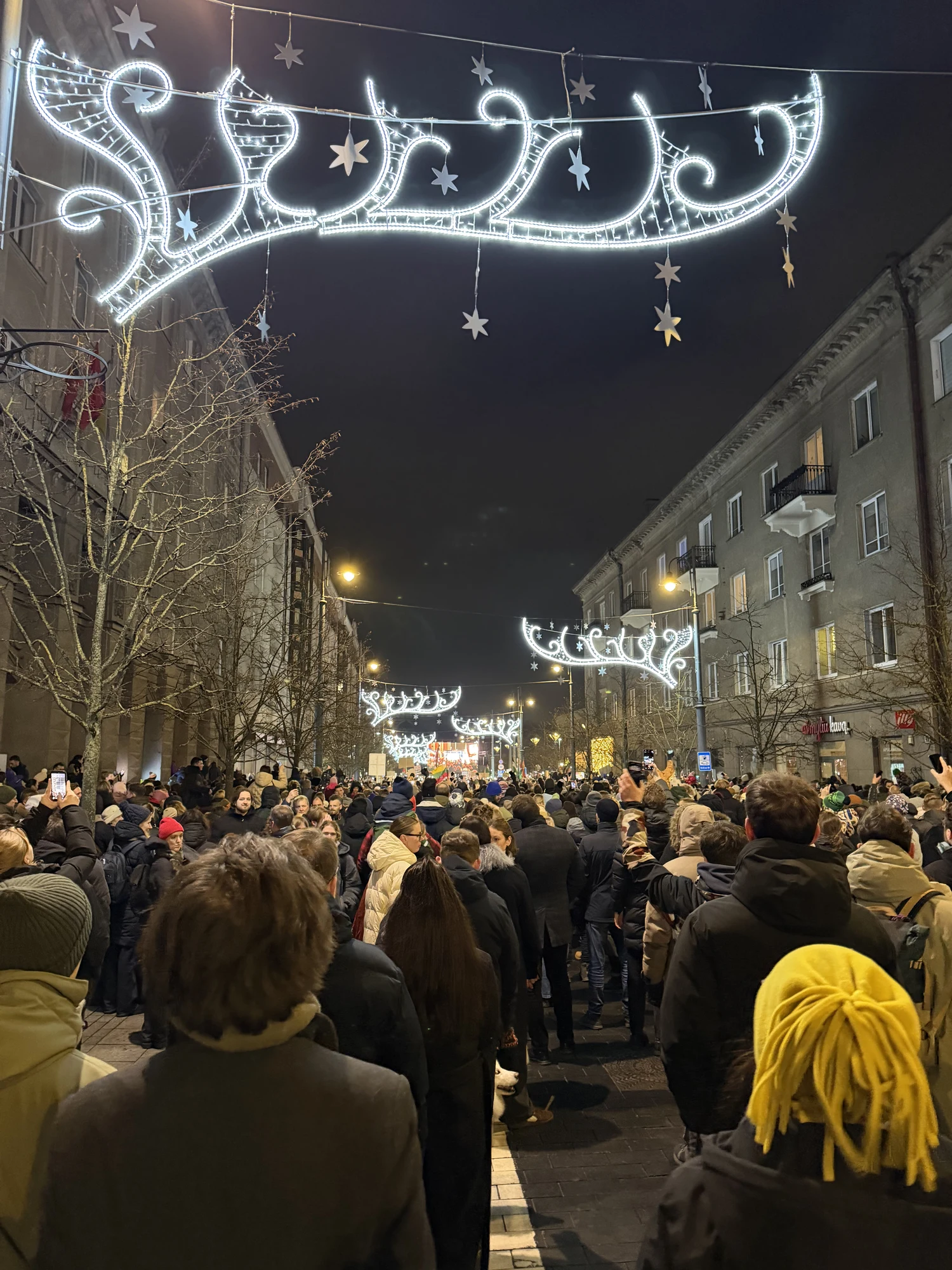
Summer keeps the momentum with open-air concerts, food and culture festivals and long balmy evenings, while autumn brings cultural seasons indoors — film, music and arts programming as the terraces empty. Then the year closes on its biggest draw: the December Christmas market on Cathedral Square, built around an elaborately decorated tree that regularly makes 'best in Europe' lists, with lights threading through the whole Old Town. Deep winter even has its own headline in some years, when the Vilnius Light Festival illuminates the streets in late January.
Events shift dates year to year, so check the specific month before you commit, especially for movable feasts like Easter or one-off festival editions. The month-by-month guides flag what's on and when, so you can build a trip around a festival you love — or deliberately dodge the busiest weeks if crowds aren't your thing.
- March: Kaziukas Fair — the big traditional craft market.
- May: Pink Soup Festival, Museum Night, Street Music Day.
- December: the Christmas market and famous tree on Cathedral Square.
- Late January (some years): the Vilnius Light Festival.
Daylight, crowds and how to decide
If one factor surprises visitors, it's daylight. Vilnius sits far enough north that the swing between seasons is dramatic: around midsummer you'll have light from before 5am until after 10pm, while in December the sun is up for barely seven hours and dusk falls in mid-afternoon. That changes how you plan more than the temperature does — summer days feel endless and unhurried, winter days reward a tight, well-chosen plan with the payoff of beautifully lit evening streets.
Crowds and prices broadly track the weather: July–August and the December market weeks are the busiest and dearest, the shoulder months (May, September) offer the best balance, and the dead of winter is cheapest of all. There's no wrong answer — Vilnius is a year-round city — so decide by what you value most: warmth and long days, calm and value, or snow and festive romance. Then use the month-by-month guides to fine-tune, and the practical tips hub to handle the logistics.
The daylight swing deserves a moment's planning thought, because it quietly reshapes a trip. In a summer with seventeen hours of light, you can pack two distinct halves into a day — sights in the morning, a long lunch, and still hours of golden evening for a riverside walk or a viewpoint at sunset. In December's seven-hour window, you get one good outdoor stretch and then a long, atmospheric evening indoors and under lights. Neither is worse, but they call for different itineraries, and travellers who expect to wander until dusk in winter are often caught out by how early it gets dark.
- Midsummer: ~17 hours of daylight; December: ~7, with mid-afternoon dusk.
- Busiest/priciest: July–August and the December market weeks.
- Best balance of weather, value and calm: May and September.
- Cheapest and quietest: January–February.
Best time to visit by traveller type
Because Vilnius works in every season, the smartest way to choose is by who you are and what you want from the trip. Couples chasing romance are spoilt either way: late spring and summer for long, golden evenings and outdoor wine bars, or December for snow, lights and candlelit dinners — both deeply atmospheric in different keys. First-time visitors who simply want the city at its easiest should aim for May, June or September, when the weather is kind, the days are long and the crowds are manageable.
Budget travellers do best in the shoulder and winter months, when hotel rates drop and the city's many free pleasures — churches, viewpoints, riverside walks — are just as good in the cold. Anyone whose trip hinges on day trips and the outdoors should lean toward late spring through early autumn, when the lake at Trakai, the nature parks and the forest trails are at their best. And festival-lovers should simply pick their festival — Kaziukas in March, the May trio, or the December market — and build around it. Match the season to your priorities and Vilnius rarely disappoints.
- Couples: late spring/summer for long evenings, or December for festive romance.
- First-timers: May, June or September for the easiest all-round trip.
- Budget travellers: shoulder and winter months for the lowest prices.
- Day-trippers and outdoors: late spring to early autumn.
Related guides
Vilnius in December
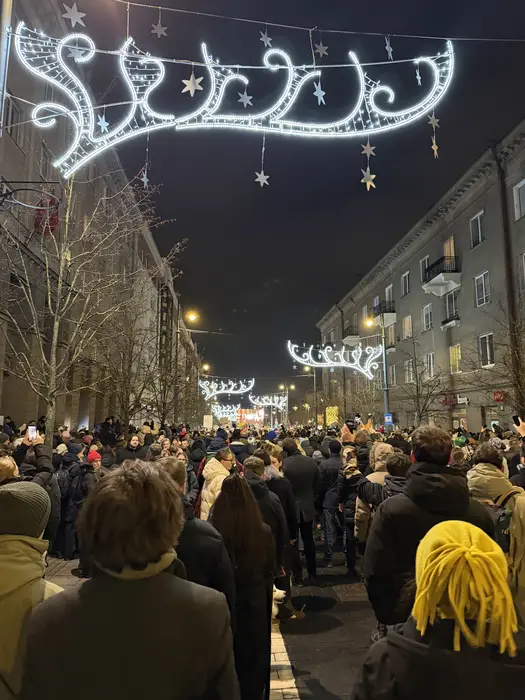
Christmas markets, the famous Cathedral Square tree, winter lights and deeply cosy cafés — December is Vilnius at its most magical and most romantic. Here's how to plan it.
Read guide
Vilnius in May
Pink Soup Fest, Museum Night, Street Music Day, parks, balloon season and stronger day-trip weather in Vilnius in May.
Read guide
Vilnius Practical Travel Tips
Everything practical for a smooth Vilnius trip: getting in from the airport, buses and trolleybuses, money and tipping, safety, weather, the best time to visit, and day-trip logistics.
Read guide