
Best Restaurants in Vilnius
A practical shortlist of the best restaurants in Vilnius — by neighbourhood, by budget, and by occasion. Lithuanian classics, modern Baltic cooking, date-night rooms, tasting menus, and where to find genuine value.
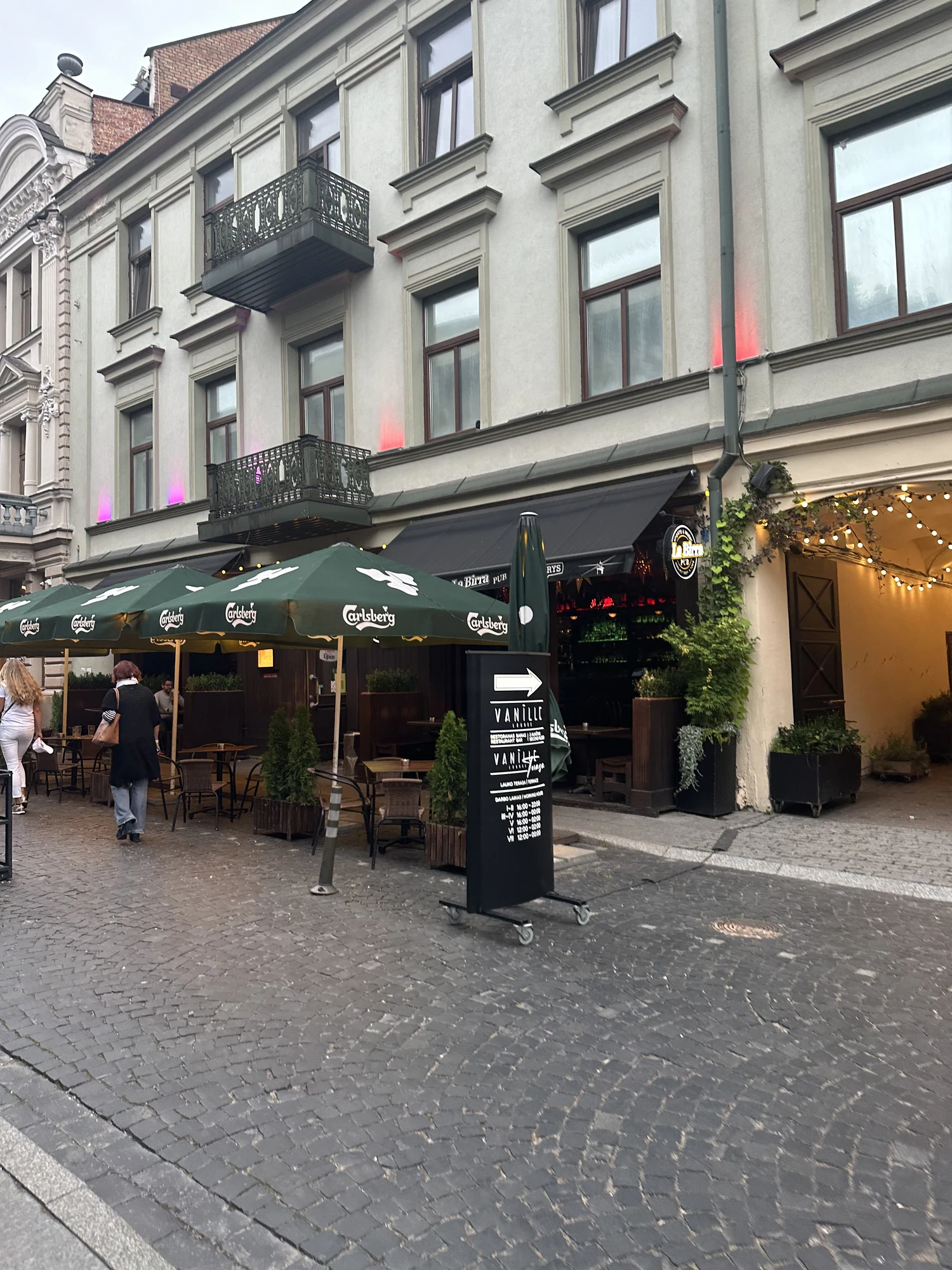
- ✓Vilnius eats far better than its size suggests — modern Baltic cooking, deep-rooted Lithuanian classics and a strong international scene, mostly at prices well below Western Europe.
- ✓The Old Town has the atmosphere; the New Town (Naujamiestis), Paupys and the station district have much of the energy and value.
- ✓For a special meal, book a tasting menu a few days ahead; for everyday eating, canteens and food halls deliver enormous, honest portions for a few euros.
- ✓Cepelinai, šaltibarščiai and dark rye are the dishes to try first — and they're best in unpretentious, locals-first rooms.
- ✓Reservations matter on Friday and Saturday nights and for the handful of fine-dining rooms; lunch is almost always easier and cheaper.
How to eat well in Vilnius
Vilnius is one of Europe's quietly great eating cities. It's compact, affordable and genuinely varied: in a single day you can have a few-euro plate of dumplings at a counter-service canteen, a flat white in a Scandinavian-minimal café, and a multi-course tasting menu of modern Baltic cooking for a fraction of what the equivalent would cost in Copenhagen or Stockholm. The city's food culture has changed fast over the last decade, and the result is a scene that rewards the curious without demanding deep pockets.
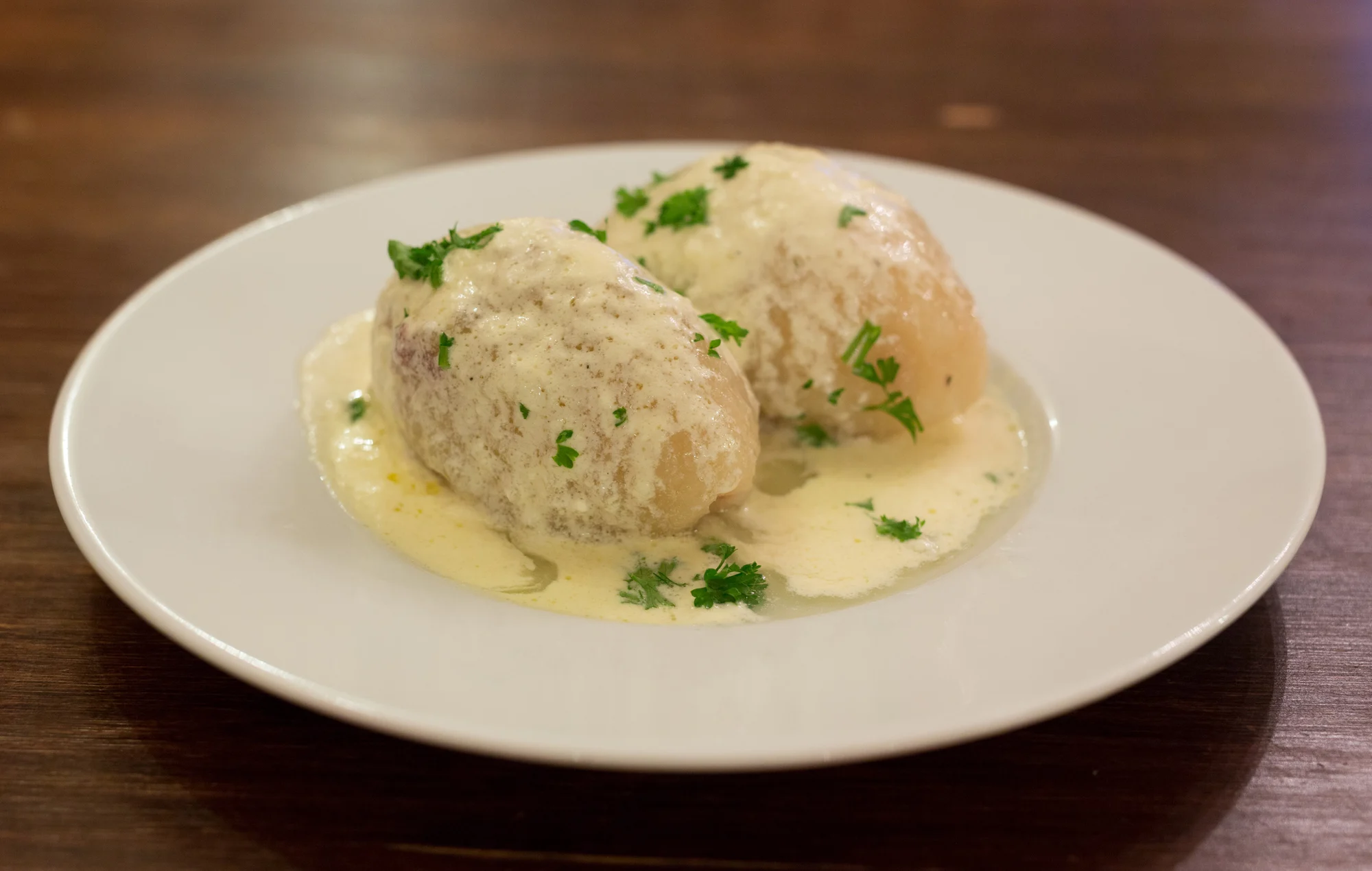
Two broad threads run through it. The first is tradition — hearty, seasonal Lithuanian and Samogitian cooking built on potatoes, rye, pork, foraged mushrooms, beetroot and dairy, the kind of food designed for long winters and shared tables. The second is reinvention: a wave of chefs taking those same Baltic ingredients and treating them with restraint, technique and local pride, alongside a healthy international scene of Italian, Georgian, Asian, Middle Eastern and other kitchens. The best trips eat across both.
This guide is organised the way people actually choose where to eat: by neighbourhood, by occasion, and by budget. Use it as a shortlist rather than an encyclopaedia — pick a couple of anchors per day, leave room for a spontaneous café or bakery, and don't over-schedule. Vilnius is small enough that you're rarely more than a short walk or a quick ride from something good.
- Prices are generally lower than in Western Europe — a sit-down main in a casual place often lands in the single digits to low teens of euros.
- Cards are accepted almost everywhere; tipping around 10% for good table service is normal but not obligatory.
- Lunch menus (often chalked on a board on weekdays) are the value sweet spot at many restaurants.
- Book ahead for fine dining and for Friday/Saturday dinner; weekday lunch rarely needs a reservation.
Best restaurants by neighbourhood
Where you eat shapes the experience as much as what you order. The Old Town (Senamiestis) is the postcard: cobbled lanes, candle-lit cellars and courtyards, and the city's densest concentration of restaurants. It's where you'll find atmospheric Lithuanian taverns and a clutch of the more ambitious kitchens, though prices skew a little higher and the most central spots can lean touristy. Choose rooms a street or two off the main Pilies–Didžioji axis and you'll usually eat better.
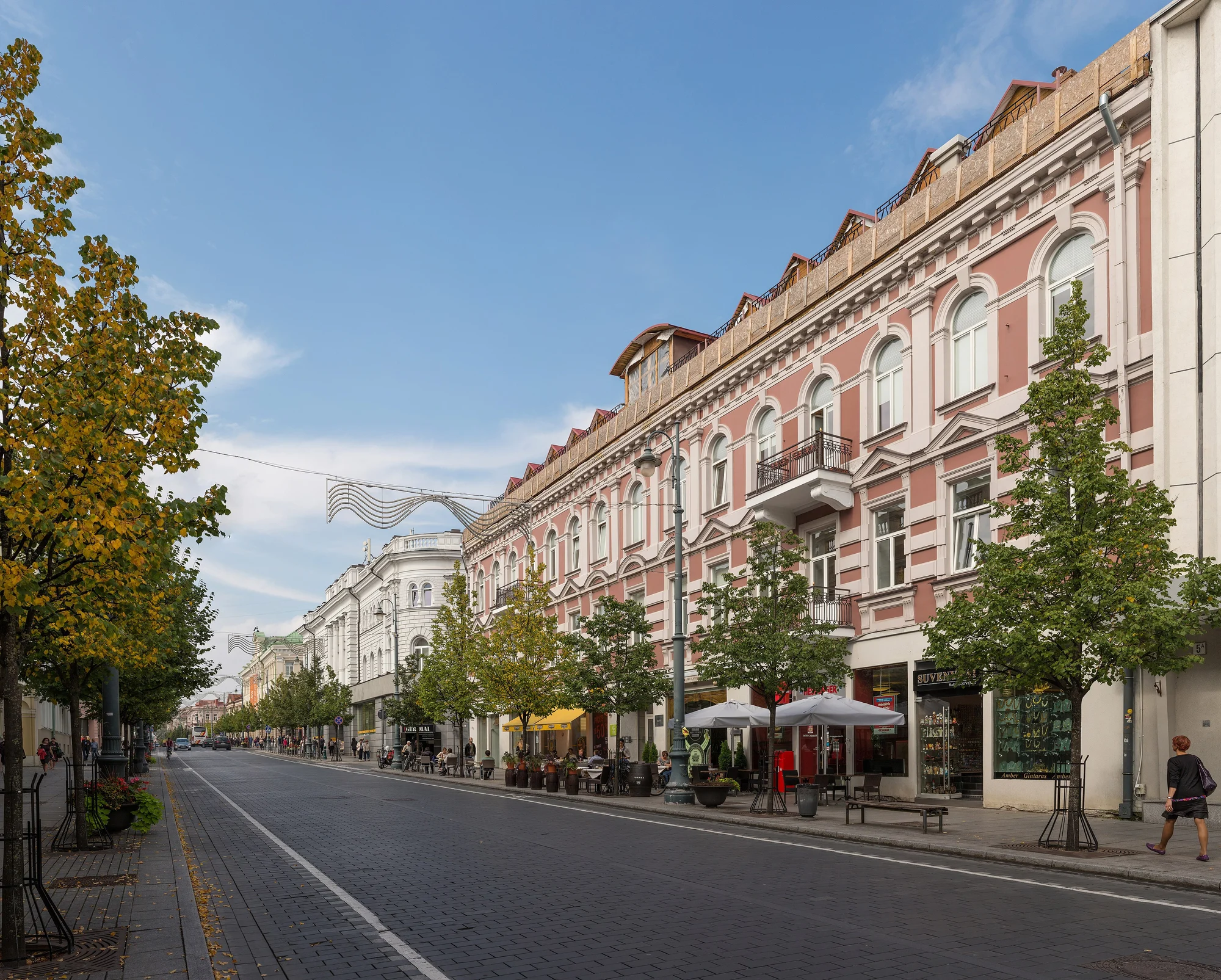
Just west, the New Town (Naujamiestis) and the station district (Stoties rajonas) are where much of the city's current energy lives. This is the home of independent bistros, craft-beer bars, vegetarian kitchens and value-driven local canteens — places like the home-style Lithuanian tavern Žemaičių ąsotis and the budget canteen Žilvino Restoranas, both near here, that locals rate for huge portions at small prices. It's less polished than the Old Town and all the more interesting for it.
Across the Vilnia, Užupis brings bohemian charm and riverside cafés; it's better for a long lunch, a glass of wine or brunch than for a blow-out dinner, though it has a few lovely rooms. Paupys, just south, has become a genuine food destination thanks to its market hall and the cluster of spots around it. North of the river, Šnipiškės, Žirmūnai and the regenerating areas around them reward exploration — the Neapolitan pizzeria Zio Rigo in Žirmūnai and the no-frills local favourite Žvejų smuklė nearby are good examples of the value and quality you find once you leave the centre. Further out, Antakalnis is leafy and residential, with neighbourhood gems like the tiny Asian takeaway Žapony.
- Old Town (Senamiestis): atmosphere and ambition — best for a special dinner, but step off the main drag for better value.
- Naujamiestis & the station district: bistros, craft beer, vegetarian kitchens and great-value local canteens.
- Užupis: riverside cafés, wine bars and long lunches with bohemian charm.
- Paupys: a market-hall food destination just south of Užupis.
- Šnipiškės / Žirmūnai and the northern districts: quieter, cheaper and increasingly interesting.
- Antakalnis: leafy and residential, with under-the-radar neighbourhood favourites.
The historic core and its dining scene.
Naujamiestis (New Town)The city's most energetic eating-and-drinking quarter.
Vilnius Food Halls & MarketsPaupys, Hales Market and where to graze.
Map pins
Map data © OpenStreetMap contributors · Tiles © OpenFreeMap
Lithuanian classics: where to start
If it's your first time in Vilnius, eat Lithuanian before you eat anything else. The headline dish is cepelinai — large potato-dough "zeppelin" dumplings stuffed with minced meat (or curd, or mushrooms) and served under a slick of sour cream and crisped pork. They're heavy, beloved and best treated as a main event rather than a starter; one or two will defeat most appetites. In summer, the dish everyone photographs is šaltibarščiai, the electric-pink cold beetroot-and-kefir soup, served chilled with a side of hot boiled potatoes — refreshing, sour-sweet and unforgettable.
Beyond those two, look for potato pancakes (bulviniai blynai, and the Samogitian žemaičių blynai), dark rye bread, smoked and pickled fish, beetroot and herring dishes, hearty meat platters, and the bar-snack staple of deep-fried rye bread with garlic and cheese. Wash it down with gira (kvass, a fermented bread drink), local kefir, or a glass of Lithuanian craft beer — the country has a deep, distinctive farmhouse-brewing tradition.
The best place to eat all this is rarely the fanciest. Home-style taverns and canteens do these dishes with the most conviction: rooms like Žemaičių ąsotis, with its clay-jug decor and old family recipes, or budget canteens such as Žilvino Restoranas and Žvejų smuklė, where the portions are enormous and the prices tiny. Order a couple of classics to share, and don't skip the soups.
- Cepelinai: potato dumplings, usually meat-filled — rich and filling.
- Šaltibarščiai: cold pink beetroot soup, a summer essential (served with hot potatoes).
- Potato pancakes and dark rye bread: everyday staples worth seeking out.
- Fried rye bread with garlic and cheese: the classic beer snack.
- Gira and Lithuanian craft beer: the traditional drinks to pair.
Modern Baltic & fine dining
Vilnius's most exciting cooking happens at the modern-Baltic end of the scale, where chefs apply contemporary technique to local, seasonal ingredients — foraged herbs and mushrooms, lake fish, game, root vegetables, rye and dairy. The format is often a multi-course tasting menu, sometimes with an optional wine or non-alcoholic pairing, and the rooms tend to be small, design-conscious and personable rather than stuffy. Crucially, a serious tasting-menu dinner here costs a fraction of what the equivalent would in most Western European capitals, which makes a special meal unusually accessible.
Because the best tables are limited, plan ahead. Reserve a few days out for the standout rooms, especially for weekend dinners; many take bookings online. If you'd rather sample the style without committing to a full degustation, look for lunch menus or à la carte options, which several of the more ambitious kitchens offer. For a romantic occasion, the combination of an intimate dining room, a tasting menu and a thoughtful pairing is hard to beat — and it pairs naturally with a night in one of the city's nicer hotels.
Fine dining in Vilnius rewards a little research because the scene moves quickly: kitchens open, evolve and earn recognition fast. Treat the categories below as a starting point and check current standing before you book, since chefs and concepts change. What stays constant is the value proposition — ambitious, ingredient-led cooking at prices that still feel like a discovery.
- Expect tasting menus built on seasonal Baltic ingredients, often with pairings.
- Book several days ahead for weekend dinners at the top rooms.
- Lunch and à la carte options let you sample the style for less.
- Great value versus other European capitals for the level of cooking.
Date-night dinners
Vilnius is an easy city to be romantic in, and dinner is a big part of why. For a special evening, the sweet spot is an intimate, low-lit room — a vaulted Old Town cellar, a candle-lit bistro, or a small modern-Baltic kitchen running a tasting menu. Book a table for later in the evening, choose somewhere a little off the main tourist streets for a calmer mood, and consider a wine bar for a first or last glass; the city has a growing crop of characterful ones.
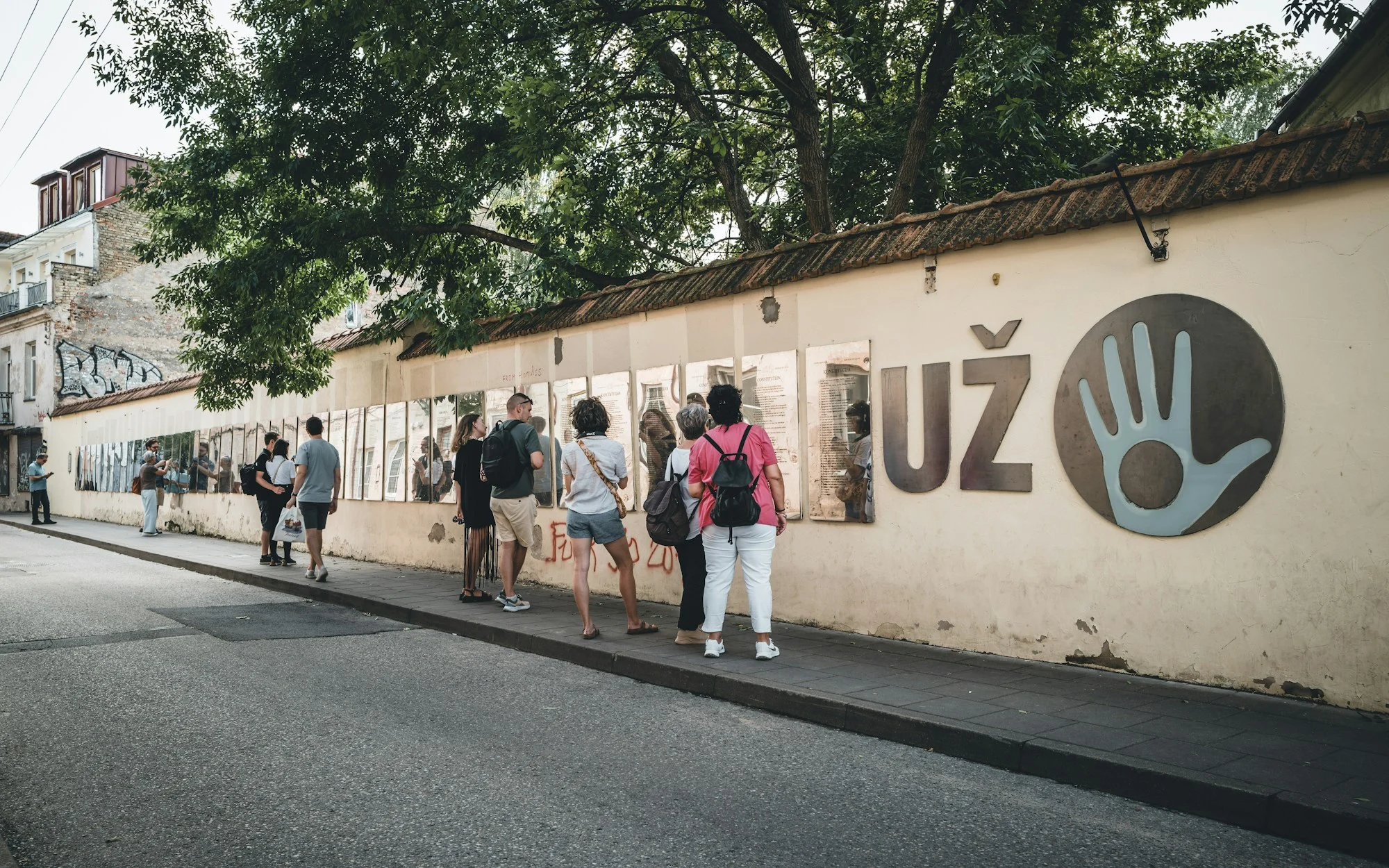
Atmosphere matters as much as the food. Užupis, with its riverside benches and bohemian cafés, sets a lovely scene for a relaxed dinner or a long glass of wine, while the Old Town's courtyards and cellars bring the classic candle-lit romance. If you're celebrating, a tasting-menu room with a pairing makes a memorable centrepiece — and because prices are gentle by European standards, it's a splurge that won't sting.
For the full evening, string it together: an aperitif at a cocktail or wine bar, dinner at a date-night room, and a slow walk back through the lamplit Old Town. It's the kind of low-effort, high-reward night out that makes Vilnius such a good city for couples.
International eats: pizza, Georgian, Asian & more
You won't only eat Lithuanian here, and you shouldn't want to. Vilnius has a strong, growing international scene that reflects both its history and its young, well-travelled crowd. Italian is well represented, with proper Neapolitan pizzerias leading the way — Zio Rigo in Žirmūnai is a standout, turning out blistered, Naples-style pies with good ingredients and genuine Italian hospitality. Georgian food is hugely popular too, all khachapuri cheese breads and soupy khinkali dumplings, and there's a deep bench of casual spots across the city.
Asian cooking ranges from quick, fresh takeaway kitchens to sit-down restaurants. Small neighbourhood gems like Žapony in Antakalnis — a tiny Asian spot famous for generous woks, poke bowls and pho — are exactly the sort of under-the-radar find worth a detour. You'll also come across Middle Eastern, Indian, ramen and pan-Asian options, plus a reliable supply of burgers, kebabs and late-night street food around the nightlife districts.
The takeaway: don't feel obliged to eat traditional at every meal. A couple of Lithuanian classics will cover the essentials; beyond that, follow your cravings. Many of the city's best-value, most characterful meals are at small international kitchens run by people cooking the food they grew up with.
- Neapolitan pizza is a genuine strength — seek out the dedicated pizzerias.
- Georgian khachapuri and khinkali are everywhere and excellent value.
- Fresh Asian takeaways and sit-down spots cover woks, bowls, pho and ramen.
- Street food, burgers and kebabs cluster around the nightlife areas for late nights.
Budget eats, lunch deals & food halls
Some of the most satisfying eating in Vilnius is also the cheapest. The city's canteen tradition — counter-service spots dishing out home-style Lithuanian food in enormous portions — is a goldmine for travellers on a budget. Places like Žilvino Restoranas and Žvejų smuklė serve hearty plates of cepelinai, soups and pancakes for a handful of euros, with the bonus of warm, personal service and zero pretension. Order a half-portion if you're not famished; full sizes are genuinely large.
Lunch is the value hour. Many restaurants, including ambitious ones, run a weekday set lunch — often chalked on a board — at a fraction of dinner prices, so it's the time to trade up. Bakeries and cafés cover cheap, excellent breakfasts and snacks; a pastry and a coffee is a few euros, and the standard of specialty coffee in Vilnius is high. Markets and food halls round out the budget options: Paupys and the historic Hales Market let you graze across multiple stalls, ideal for groups or fussy eaters who can't agree on one cuisine.
Put together, this means you can eat very well in Vilnius for very little. A market breakfast, a set-menu lunch and a canteen dinner can keep a day's food bill remarkably low while still tasting genuinely local — and free you to splurge on one memorable tasting-menu night without guilt.
- Local canteens: huge portions of Lithuanian comfort food for a few euros.
- Weekday set lunches: the cheapest way to eat at better restaurants.
- Bakeries and specialty-coffee cafés: excellent value breakfasts and snacks.
- Food halls and markets (Paupys, Hales Market): graze across stalls, great for groups.
Vegetarian, vegan & dietary needs
Traditional Lithuanian cooking is meat- and dairy-heavy, but eating vegetarian or vegan in Vilnius has become genuinely easy. The city has dedicated plant-based and vegetarian kitchens, particularly around the New Town and the more independent districts, and many mainstream restaurants now flag veggie and vegan options clearly. Even classic dishes can help: cepelinai come in curd- or mushroom-filled versions, šaltibarščiai is built on beetroot and kefir (ask about a vegan take), and potato pancakes are widely available.
International kitchens widen the choice considerably. Asian spots — like the well-regarded Žapony — often have strong vegan and vegetarian bowls and woks, Georgian food offers vegetable-and-cheese dishes aplenty, and the city's cafés and bakeries cater well to lighter and plant-based eating. Gluten-free and allergy needs are increasingly accommodated too; at smaller places it's worth a quick word with staff, who are generally happy to adapt where they can.
As ever, a little planning helps. If you have strict dietary requirements, lean on the dedicated plant-based restaurants and the international kitchens for your main meals, and use cafés, bakeries and food halls to fill the gaps. You won't go hungry — and you'll eat better than the stereotype of Baltic cuisine suggests.
Cafés, bakeries & coffee
No guide to eating in Vilnius is complete without its café culture, which punches far above the city's size. Specialty coffee took hold here years ago and never let go: you'll find serious roasters and barista-led cafés with pour-overs, flat whites and seasonal single-origin beans, many in design-forward spaces that double as places to work or while away a grey afternoon. The standard is consistently high and the prices are a fraction of what you'd pay in London or Paris, which makes a mid-morning coffee one of the great small pleasures of a Vilnius day.
Bakeries are the other half of the equation. Vilnius does both ends of the spectrum beautifully — traditional Lithuanian bakeries turning out dark rye loaves, curd pastries, poppy-seed rolls and honey cake (medauninkas), and a newer wave of croissant-and-cinnamon-bun specialists with queues out the door at weekends. A pastry and a coffee is the classic budget breakfast, and it's a genuinely good one; many cafés also do light lunches, open sandwiches and cakes that make an easy afternoon stop between sights.
Where you take your coffee says something about your trip. Užupis cafés come with riverside benches and bohemian charm; the Old Town has cosy, characterful rooms tucked into historic buildings; and the New Town and independent districts host the most design-conscious, third-wave spots. Build a couple of café breaks into each day — they're cheap, restful, and a window into how locals actually spend their downtime.
- Specialty coffee is a genuine strength — look for barista-led roasters and pour-over bars.
- Traditional bakeries: dark rye, curd pastries, poppy-seed rolls and honey cake.
- Newer bakeries: croissants, cinnamon buns and pastries, busiest at weekends.
- A pastry and a coffee is the classic, excellent-value Vilnius breakfast.
A perfect day of eating in Vilnius
If you only have one full day and want to eat like you know the city, here's a route that balances tradition, value and a little indulgence. Start mid-morning in the Old Town or New Town with a specialty coffee and a fresh pastry from a good bakery — a cardamom bun or a slice of curd cake, slowly, with a book or a map. It's the cheapest and most civilised way to begin, and it leaves room for a proper lunch.
For lunch, eat Lithuanian and eat well for very little. Head to a home-style tavern or canteen — somewhere like Žemaičių ąsotis for the full clay-jug, fireplace experience, or a no-frills spot such as Žilvino Restoranas or Žvejų smuklė for enormous portions at tiny prices — and order a couple of classics to share: cepelinai, a bowl of šaltibarščiai in summer, potato pancakes, and dark rye. Take advantage of the weekday set-lunch menus if they're on. Follow it with a slow café break and a walk to let it all settle.
In the late afternoon, graze rather than commit: drift through a food hall like Paupys or the historic Hales Market, picking at a snack and a drink across a couple of stalls. Then make dinner the highlight — either a relaxed international meal (a Neapolitan pizza at Zio Rigo, say, or a fresh Asian bowl from Žapony out in Antakalnis) or, if you're celebrating, a modern-Baltic tasting menu booked a few days ahead. Round the night off with a glass at a wine or cocktail bar and a slow walk back through the lamplit Old Town. That's a full, characterful day of Vilnius eating — and it still won't cost a fortune.
- Morning: specialty coffee and a bakery pastry.
- Lunch: Lithuanian classics at a tavern or canteen — go for the set lunch.
- Afternoon: a café break, then graze through a food hall.
- Evening: international dinner or a modern-Baltic tasting menu, then a nightcap.
- Total cost: easily kept modest, even with one splurge.
Practical tips: booking, prices & timing
A few practicalities make eating in Vilnius smoother. Reservations are worth making for fine-dining rooms and for Friday and Saturday dinners at popular spots; many restaurants take bookings online or by phone, and the better tasting-menu kitchens can fill up days ahead. For everyday meals and weekday lunches, you can usually walk in. Kitchens in casual places sometimes close between lunch and dinner, so check hours if you're eating at an off-peak time, and note that some smaller, locals-first venues keep limited weekend hours.
On money: cards (including contactless) are accepted almost everywhere, and Lithuania uses the euro. Prices are noticeably gentler than in Western Europe — a casual sit-down main often runs in the single digits to low teens of euros, while a high-end tasting menu costs a fraction of its Western counterpart. Tipping isn't obligatory, but rounding up or leaving around 10% for good table service is normal and appreciated. Tap water is safe to drink, though restaurants typically serve bottled or filtered water.
Finally, pace yourself and stay flexible. Vilnius is small, so you're never far from something good — build your day around one or two anchors, leave room for a spontaneous café or bakery, and don't try to tick off every recommendation. The city rewards eaters who wander, and some of the best meals here are the ones you stumble into. When in doubt, ask a local; people are proud of their food and happy to point you somewhere honest.
- Book ahead for fine dining and weekend dinners; walk in for weekday lunches.
- Cards and contactless are accepted almost everywhere; currency is the euro.
- Tipping ~10% for good service is normal but not required.
- Check hours at off-peak times and for smaller, locals-first venues (some limit weekends).
- Tap water is safe; restaurants usually serve bottled or filtered water.
Frequently asked questions
Is Vilnius good for food? Yes — more than most visitors expect. It combines deep-rooted Lithuanian and Samogitian cooking with an ambitious modern-Baltic scene and a strong international spread, almost all of it at prices well below Western Europe. The city is compact, so you're never far from something good, and the quality-to-cost ratio is one of the best in the region.
What should I eat in Vilnius? Start with the Lithuanian classics: cepelinai (meat-filled potato dumplings), šaltibarščiai (the cold pink beetroot soup, at its best in summer), potato pancakes, dark rye bread and smoked or pickled fish. Pair them with gira (a fermented bread drink) or a Lithuanian craft beer. Beyond tradition, leave room for the city's Neapolitan pizza, Georgian food and fresh Asian kitchens.
Is Vilnius expensive for eating out? No. A casual sit-down main typically costs in the single digits to low teens of euros, local canteens serve huge portions for a few euros, and even a high-end tasting menu costs a fraction of its Western European equivalent. Weekday set lunches are the best value of all. Cards are accepted almost everywhere and the currency is the euro.
Do I need to book a restaurant in Vilnius? For fine-dining rooms and popular spots on Friday and Saturday nights, yes — reserve a few days ahead, especially for tasting menus. For everyday meals and weekday lunches you can usually walk in. Some smaller, locals-first venues keep limited hours and may close at weekends, so check before making a special trip.
Where do locals eat in Vilnius? Away from the busiest Old Town streets — in the New Town (Naujamiestis), the station district, Paupys, and the northern areas like Šnipiškės and Žirmūnai. No-frills canteens and home-style taverns, neighbourhood pizzerias and small international kitchens are where you'll find the best value and the most genuine local flavour.
Related guides
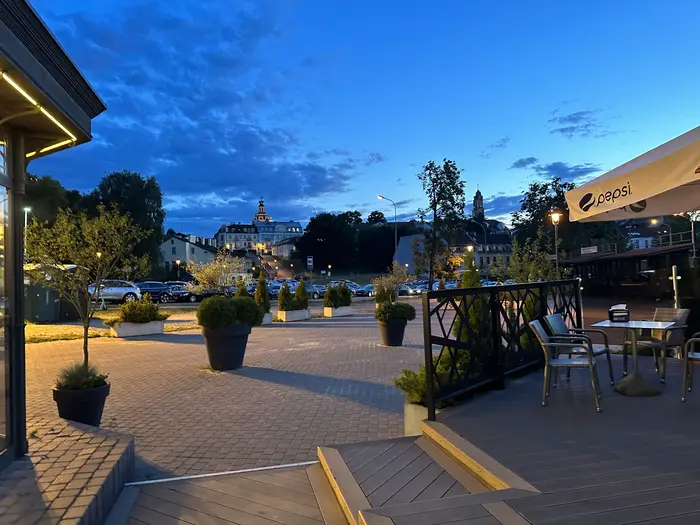
The Best Date-Night Restaurants in Vilnius
Where to take someone special in Vilnius — romantic Old Town dining rooms, candlelit cellars, tasting menus, wine bars and cosy corners — with tips on booking and setting up the perfect evening.
Read guide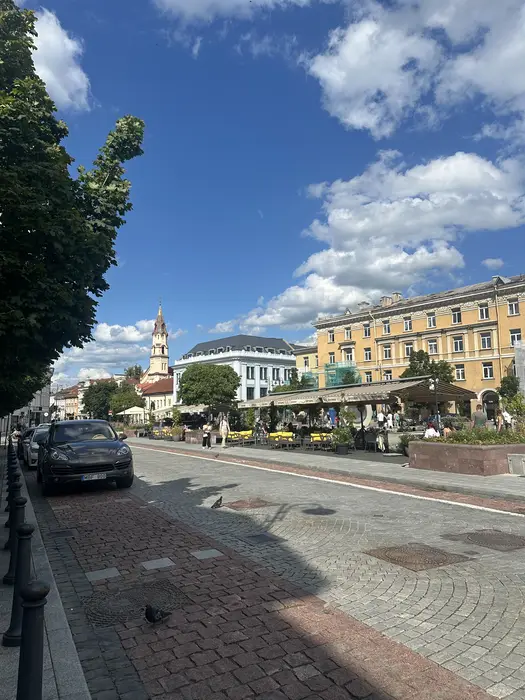
Fine Dining in Vilnius
Where to book a special meal in Vilnius — chef's tasting rooms, sommelier-led wine pairings, MICHELIN-recognised kitchens and celebratory tables built for milestone evenings.
Read guide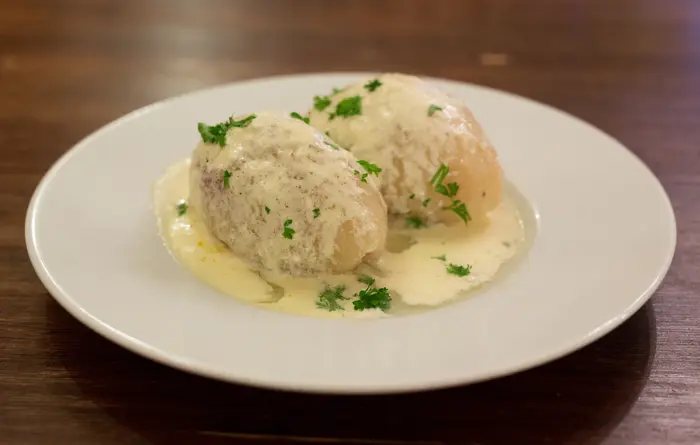
Traditional Lithuanian Food in Vilnius
What to eat in Vilnius, from cepelinai and šaltibarščiai to kibinai, dark rye bread, smoked fish, honey cake and beer snacks — and the best places to try each.
Read guide