
Fine Dining in Vilnius: MICHELIN Stars & Tasting Menus
A guide to fine dining in Vilnius — MICHELIN-starred restaurants, modern Lithuanian tasting menus, wine pairings and how to book — for a special-occasion dinner in the Lithuanian capital.
- ✓Vilnius is the heart of Lithuania's MICHELIN Guide, with several one-star restaurants and a Green Star for sustainability.
- ✓The defining style is modern Lithuanian: foraged ingredients, fermentation, local produce and seasonal tasting menus.
- ✓Tasting menus run several courses with optional wine or non-alcoholic pairings; expect to spend an evening, not an hour.
- ✓Star tables are small and book out weeks ahead — reserve early, especially for weekends and festival periods.
- ✓Even at the top end, Vilnius is markedly better value than comparable dining in Western European capitals.
Vilnius has quietly become a serious dining city
For years, fine dining in Vilnius was a well-kept local secret. That changed when the MICHELIN Guide arrived in Lithuania, putting a constellation of Vilnius kitchens on the international map and confirming what locals already knew: this is a city of ambitious, ingredient-led cooking, with prices that still feel generous by Western European standards. In the latest guide, the great majority of Lithuania's selected restaurants are in Vilnius, including its starred tables, several Bib Gourmand value picks and a Green Star for sustainability.
What unites the best of them is a distinctly Lithuanian point of view. Rather than copying French or Nordic templates wholesale, the leading chefs cook from the forest, the farm and the fermentation jar — birch, pine, sorrel, wild mushrooms, rye, curd and game, reimagined through modern technique. The result is food that tastes of this specific place and season. If you're planning one special dinner on a trip to Vilnius, this is where to spend it.
And the timing has rarely been better. Lithuania's inclusion in the MICHELIN Guide is recent enough that the scene still has the energy of a place proving itself, but established enough that the quality is dependable rather than hit-or-miss. You're catching a small, ambitious, fast-improving food city at a genuinely exciting moment — before prices catch up with the international attention, and while the chefs still feel like pioneers. For a curious traveller, that combination of high quality, real momentum and gentle prices is hard to find anywhere else in Europe right now.
This guide covers what to expect from a high-end meal here, the styles and restaurants worth knowing, how pairings and pricing work, and — crucially — how and when to book. Because we don't publish prices or hours that go stale, we keep specifics evergreen and point you to each restaurant's own channels and the MICHELIN Guide for the current details.
A little context on scale helps frame the scene. Vilnius is a compact capital of roughly half a million people, yet it now accounts for the lion's share of Lithuania's MICHELIN selection — the large majority of the country's recognised restaurants sit within the city, most of them clustered in or around the Old Town. That density is a gift for the visitor: you can walk between several of the best tables in the country in a few minutes, and a single trip can take in a starred tasting menu, a Bib Gourmand dinner and a wine-bar nightcap without ever leaving the historic core. Few cities of this size offer that concentration of quality in such a small footprint.
The MICHELIN landscape: stars, Green Stars and Bib Gourmands
Lithuania's MICHELIN Guide is anchored in Vilnius. A small group of city restaurants hold a MICHELIN Star, and the guide has continued to add to that group in its most recent editions — Deep Roots, for example, joined the starred ranks for the first time in the 2026 selection. The 2026 guide recognises five one-star Vilnius-area tables — Deep Roots, Demo, Nineteen18, Džiaugsmas and Red Brick — the group that has established the city's reputation, with Demo also recognised with a Green Star for its sustainability work. Always check the current MICHELIN Guide before booking, as selections are revised each year.
Below the stars sit the Bib Gourmand restaurants — the guide's badge for excellent cooking at gentler prices — and Vilnius has a healthy clutch of them. These are the smart choice if you want guide-level quality without a full tasting-menu commitment or splurge. Between the stars and the Bibs, the city offers a genuine fine-dining ladder you can climb to suit your budget and appetite for occasion.
It's also worth understanding what the MICHELIN arrival did for the city beyond the medals themselves. International recognition raised ambitions across the board: kitchens that will never chase a star nonetheless cook at a higher level, suppliers and producers have professionalised, and the city has acquired a genuine sense of culinary identity it can be proud of. For a traveller, the upshot is that you don't have to eat at a starred restaurant to eat very well — the rising tide has lifted everything from neighbourhood bistros to the wine bars. The guide is best read not as a closed list of where to go, but as the visible tip of a deeper, broader food culture.
- Stars: a small, evolving group of Vilnius restaurants — confirm the current list in the MICHELIN Guide.
- Green Star: awarded for sustainability; Demo has carried one for its sourcing and practices.
- Bib Gourmand: guide-recognised quality at lower prices — the value sweet spot.
The signature style: modern Lithuanian and the New Baltic kitchen
The cooking that defines Vilnius fine dining belongs to what's sometimes called the New Baltic movement — a regional cousin of New Nordic, built on local sourcing, foraging, fermentation and a deep seasonality. A spring menu might lean on birch sap, wild garlic and the first green shoots; an autumn one on mushrooms, game, root vegetables and preserved summer fruit. Rye, beetroot, curd cheese and smoked fish recur, transformed far beyond their tavern origins.
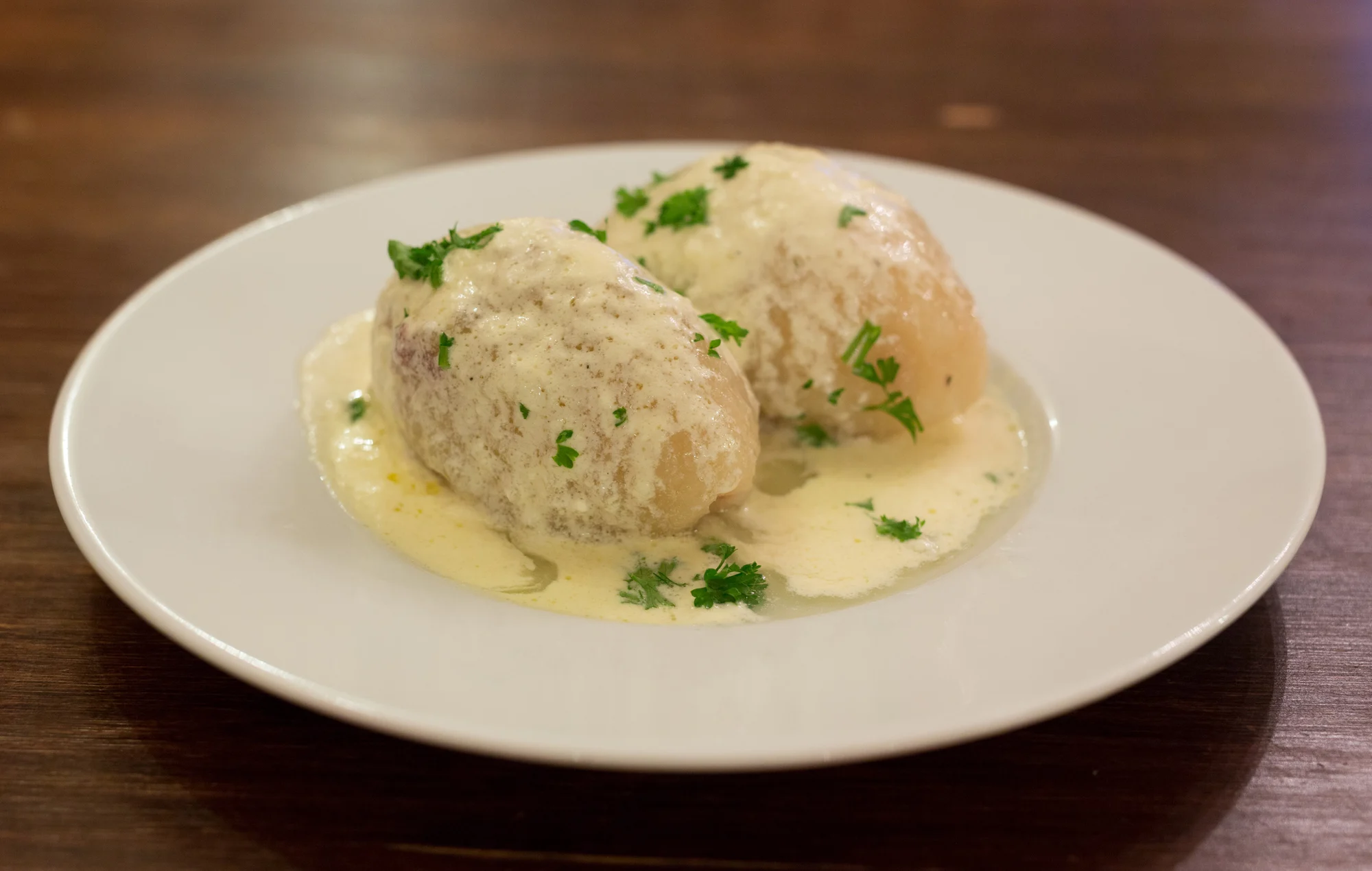
Expect plating and technique to be precise and contemporary, but the flavours to stay rooted and recognisable rather than abstract. Many of the best kitchens grow or forage part of their own larder and work directly with small Lithuanian producers, which is where the Green Star ethos comes from. For a visitor, the appeal is twofold: you get genuinely world-class cooking, and you get a meal you couldn't have anywhere else — a tasting tour of the Lithuanian landscape.
There's a cultural story underneath all this that's worth knowing, because it explains why the cooking feels so personal. For much of the twentieth century, under Soviet occupation, Lithuanian restaurant culture was flattened and ingredient supply was constrained; foraging, home preserving and small-scale farming survived in households precisely because the formal economy couldn't be relied upon. When independence and then prosperity arrived, a generation of chefs reached back to those domestic traditions — the grandmother's fermentation crock, the forest mushrooms, the kitchen garden — and elevated them. The result is a fine-dining movement that feels less like an import and more like a homecoming, which is part of why it has resonated so strongly both with locals and with the international guides.
- Look for: foraged herbs, fermentation, game, rye, beetroot, curd and smoked fish.
- Seasonality is the point — menus change through the year, so no two visits taste the same.
- Sustainability and direct producer relationships are central to the leading kitchens.
- The style draws on home traditions of foraging and preserving, not borrowed templates.
The restaurants worth knowing — and how they differ
Vilnius's fine-dining roster is small enough that you can get to know it, and varied enough that the choice comes down to mood as much as ranking. Demo built much of the city's reputation: ambitious, sustainability-minded modern cooking that earned both a MICHELIN Star and a Green Star, making it the natural choice if the ethics and sourcing behind your plate matter to you as much as the flavour. Deep Roots, the newest of the city's stars, offers a more intimate, personal experience: chef Andrius Kubilius builds highly original dishes on childhood memories and family recipes, with much of the produce grown on the restaurant's own farm.
Džiaugsmas — the name means 'joy' — pairs minimalist, ingredient-led plates with striking industrial-chic interiors in a historic central building, and is a strong pick if you want design and atmosphere to match the food. Nineteen18, part of a courtyard culinary collective in the Old Town, is known for a refined farm-to-table tasting menu and the sense of being tucked away somewhere special. Newer additions to the starred ranks, such as Deep Roots in the most recent guide, keep the scene evolving — which is exactly why you should always cross-check the current MICHELIN selection rather than relying on last year's list.
Below the stars, the Bib Gourmand restaurants are where many locals actually celebrate, and they're arguably the canniest choice for a visitor who wants excellent cooking without a tasting-menu commitment. These kitchens deliver guide-recognised quality — often modern Lithuanian or accomplished international food — at prices that feel almost generous, and they tend to be a little more relaxed and à la carte. If you want one memorable meal that balances quality, atmosphere and value, a Bib Gourmand table is frequently the sweet spot. As ever, confirm a restaurant's current status and book ahead, because the best of them fill up.
- Demo: star plus Green Star — the choice if sourcing and sustainability lead your decision.
- Deep Roots: intimate and personal, childhood-inspired cooking with much of the produce farm-grown.
- Džiaugsmas: minimalist, ingredient-led, design-forward interiors in central Vilnius.
- Nineteen18: refined farm-to-table tasting menu in an Old Town courtyard collective.
- Bib Gourmands: guide-level cooking at gentler prices — the value sweet spot.
Is fine dining in Vilnius worth it? Value and expectations
For many visitors, the most surprising thing about fine dining in Vilnius is the value. A multi-course tasting menu with wine pairing at a starred restaurant here typically costs a meaningful fraction of what the equivalent would in Paris, London, Copenhagen or Stockholm — and the gap widens further at the Bib Gourmand level. That doesn't make it cheap in absolute terms, and a top tasting menu is still a considered splurge, but pound for pound it's some of the best high-end dining value in Europe, which is a large part of why food-focused travellers increasingly route through the city.
It's worth being clear-eyed about what you're getting, though. Vilnius's fine-dining rooms are small and personal rather than grand; the service is polished but warm and unstuffy; and the cooking is rooted and seasonal rather than flashy. If your idea of fine dining is gilded dining rooms and theatrical tableside service, this isn't quite that — and that's the point. What you get instead is intimacy, a strong sense of place, genuinely creative cooking, and an evening that feels like an experience rather than a performance. For most travellers that trade is well worth making.
There's a real argument that this intimacy is the whole appeal. In a twenty-seat room where the chef may carry plates out personally and the sommelier knows what you're drinking, a tasting menu stops feeling like a luxury performed at you and starts feeling like an invitation into someone's craft. That closeness is increasingly rare at the top end elsewhere, where success often means scale. In Vilnius it's still the norm, and it's a large part of why a meal here stays with people.
A practical bit of expectation-setting: book this as an event, not an afterthought. Plan an evening around it, arrive relaxed and a little hungry, and don't schedule anything demanding afterwards. One well-chosen high-end dinner, slotted into a few days of cheaper market meals and tavern lunches, gives you the full range of how Vilnius eats — from the grandmother's fermentation crock to its most refined expression — without blowing a modest budget. That contrast, more than any single dish, is what people tend to remember.
- Expect strong value — a fraction of comparable Western European prices, especially at Bib Gourmand level.
- The style is intimate, warm and rooted — not grand or theatrical.
- Pair one splurge dinner with cheaper market and tavern meals for the full picture.
How and when to book
Vilnius's starred dining rooms are small — often just a handful of tables — and they fill up. For a one-star restaurant on a weekend, book several weeks ahead; for special periods like festival weekends, the run-up to Christmas and New Year, or major events, book as far in advance as you can. Most restaurants take reservations through their own website or by email, and some require a deposit or prepayment for the tasting menu, which is normal and protects everyone against no-shows.
A few practical tips. Weekday evenings and lunch sittings are easier to land than Friday or Saturday dinner, and often cheaper. If your dates are tight, ask to join a waitlist — cancellations do happen. Confirm the exact menu price, the pairing options and any dietary accommodations at the time of booking, since these change seasonally and we don't quote figures that go out of date here. And because the guide is revised annually, verify a restaurant's current MICHELIN status on the official MICHELIN Guide before you build a whole evening around it.
If you can't get the exact table you wanted, don't despair — flexibility is your friend in a scene this small. A starred restaurant booked out for Saturday dinner may have a Tuesday lunch slot; a fully reserved kitchen will often have a Bib Gourmand sibling or a like-minded neighbour with space. It's also worth timing your trip thoughtfully if dining is a priority: the period right after a new MICHELIN Guide is announced sees a surge in demand for newly starred restaurants, while quieter months can make even the hardest tables attainable. Booking the moment you've fixed your dates, rather than waiting until you arrive, is the single biggest thing you can do to eat where you want.
Finally, a note on tipping and bills so there are no surprises. Service is generally not included at this level in the way it might be elsewhere, and a tip for good service is appreciated though never demanded; cards are accepted everywhere. For the precise mechanics of paying, tipping norms and what's customary, see our dedicated guide — but rest assured the experience at the table is warm and unpretentious, and you won't be made to feel out of place whether you're a seasoned fine-diner or trying a tasting menu for the very first time.
One closing thought for anyone weighing whether to bother with the high end at all on a short trip: do it. A single starred or Bib Gourmand dinner is one of the most distinctive things you can experience in Vilnius — a concentrated, delicious expression of the Lithuanian landscape and its food culture that you simply can't get from a guidebook or a market stall. Slot one such evening into your stay, treat it as the centrepiece it deserves to be, and let the rest of your eating be cheap and casual around it. That contrast is the most rewarding way to taste the city, and it's the meal people tend to talk about long after they've gone home.
- Book weeks ahead for stars; even earlier for festivals, Christmas and New Year.
- Reserve via the restaurant's own site or email; expect a deposit on tasting menus.
- Weekday and lunch sittings are easier and often better value than weekend dinner.
- Confirm price, pairings and dietary needs when booking; verify current star status in the MICHELIN Guide.
Related guides

Luxury Vilnius: A Refined Itinerary
A refined Vilnius itinerary for travellers who want the best of the city: grand and design-led hotels, private guiding, fine dining and modern Lithuanian tasting menus, spa afternoons, a dawn hot-air balloon, and an unhurried day at Trakai.
Read guide
Best Luxury Hotels in Vilnius
Grand Old Town hotels, palace-style stays, design, spa weekends and fine-dining-friendly Vilnius bases — where to book a special-occasion trip.
Read guide
The Best Date-Night Restaurants in Vilnius
Where to take someone special in Vilnius — romantic Old Town dining rooms, candlelit cellars, tasting menus, wine bars and cosy corners — with tips on booking and setting up the perfect evening.
Read guide