
The Best Food Halls & Markets in Vilnius
A guide to Vilnius's food halls and markets — Halės, Paupys, Kalvarijų and the station-area stalls — with what to eat at each, which suits groups and families, and how to plan a market meal.
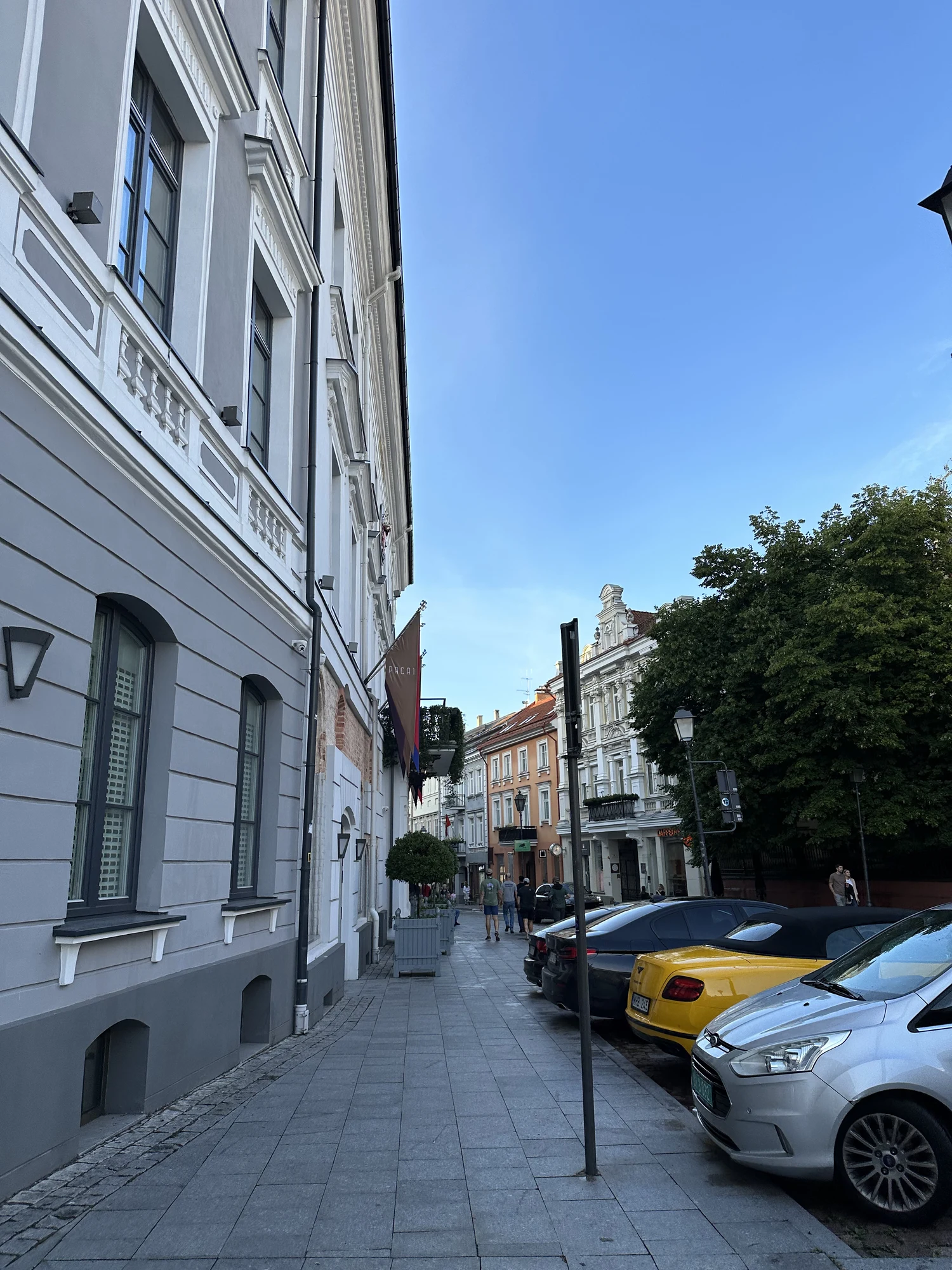
- ✓Vilnius has two standout modern food halls — Paupys and the food stalls inside Halės Market — plus traditional produce markets.
- ✓Food halls are the city's best answer to mixed groups: everyone orders from a different vendor and eats together.
- ✓Halės is the historic, central choice; Paupys is the slick, plant-filled riverside newcomer.
- ✓Markets are some of the best value in the city — fresh, local and rarely touristy.
- ✓Most halls are relaxed and family-friendly, with self-service ordering and long communal tables.
Why food halls work so well in Vilnius
If you're travelling as a group, a family, or simply can't agree on a cuisine, Vilnius's food halls solve the problem elegantly. Under one roof you'll find independent stalls cooking everything from Georgian khachapuri to ramen, Lithuanian classics, Mexican, Italian and natural wine — so the meat-eater, the vegetarian, the picky kid and the adventurous eater can each order what they want and still sit at the same table. Ordering is self-service: you queue at the stalls that appeal, pay each vendor, and bring your trays back to communal seating.
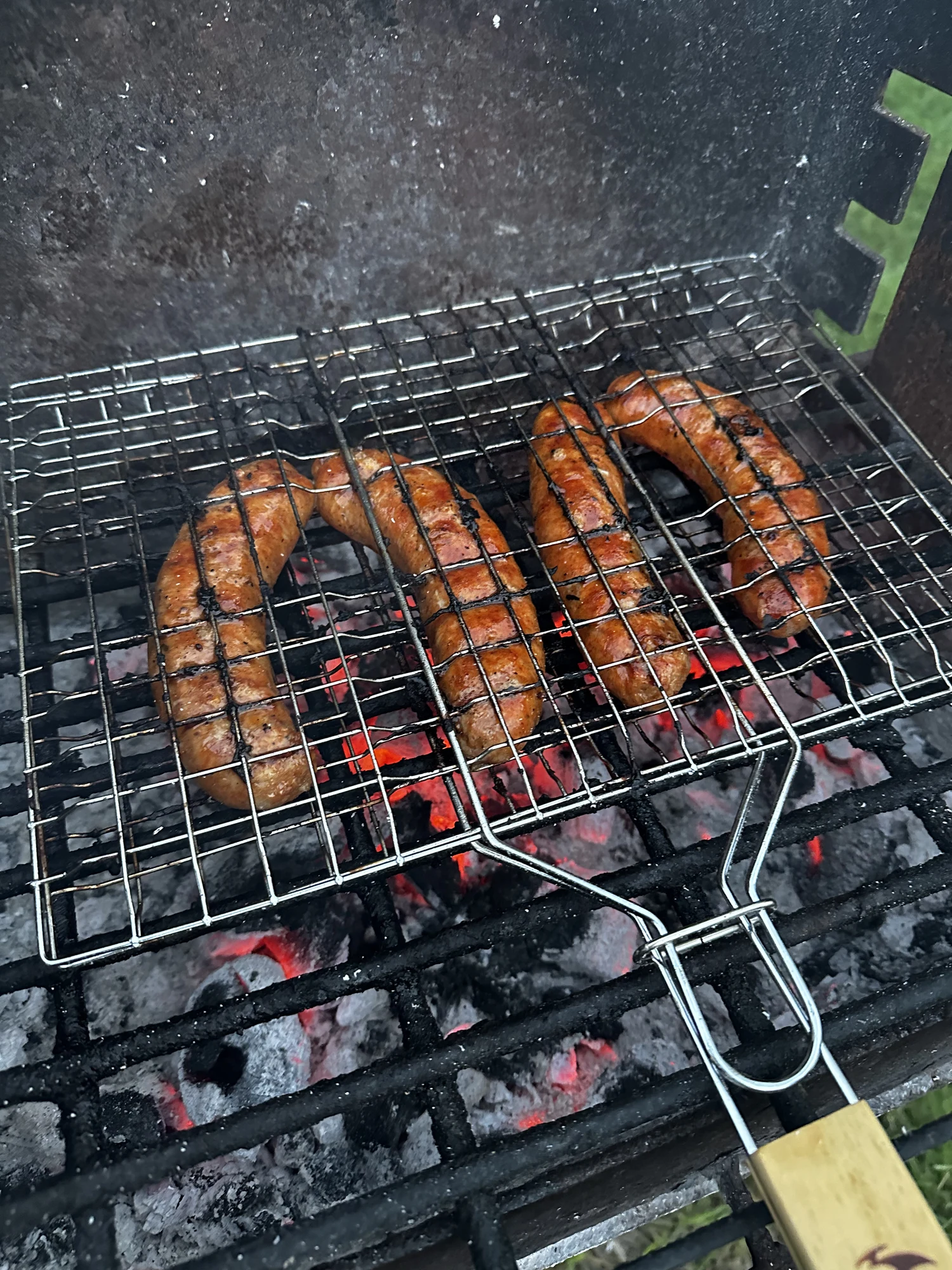
The format also suits the way Vilnius eats. The city's dining scene has grown fast and informal, and food halls capture that energy — they're lively, well-priced relative to a full restaurant, and open all day, so they work as easily for a mid-afternoon graze as for dinner. Below we run through the city's best, what to eat at each, and which suits your group.
It's worth drawing a distinction up front, because Vilnius blurs two things that English often lumps together. A 'food hall' here usually means a curated, modern space where independent stalls cook to order and you eat at shared tables — Paupys is the clearest example. A 'market' (turgus) is a more traditional produce hall, where the primary business is selling raw ingredients, though several have grown food stalls around the edges. Halės sits interestingly across both categories: an old produce market with a food court grafted on. Knowing which kind of place you're walking into helps you set the right expectations — and, often, get the better meal.
Paupys Market — the modern, plant-filled food hall
Opened in 2021 in the riverside Paupys district just east of the Old Town, Paupys Market (Paupio Turgus) is the city's flagship modern food hall. The space is striking — a bright, greenery-draped hall of nearly 2,000 square metres with hundreds of indoor seats and a large outdoor terrace by the Vilnelė river. Around twenty vendors trade here at once, so the choice is genuinely wide: expect Georgian, Japanese, Taiwanese, Spanish, Italian and Mexican stalls alongside Lithuanian options, plus a central bar pouring cocktails and a quirky 'Vilnius history' themed bar.
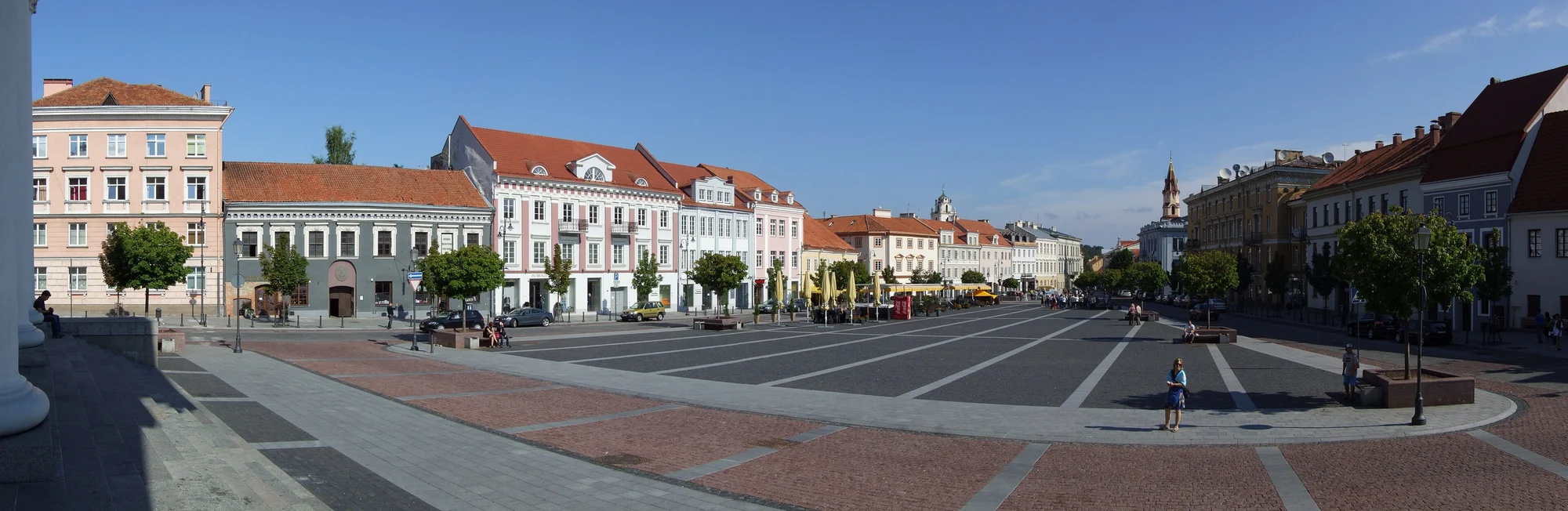
It's purpose-built for groups. You can reserve tables for larger parties and there are semi-private spaces for gatherings; it's dog-friendly, and the mix of indoor and terrace seating means it works in any weather. The trade-off is that, being newer and more design-led, prices sit a notch above a traditional market — though still well below a sit-down restaurant of the same range. Highlights to seek out include the Georgian stall's khachapuri and a rotating cast of Asian and Mediterranean vendors.
The setting is a big part of the appeal. Paupys itself is one of the city's newest neighbourhoods, a redeveloped riverside quarter of contemporary architecture just across the Vilnia from Užupis, and the market is its social heart. In summer the terrace by the water is one of the nicest places in the city for a long, lazy lunch; in winter the greenery-filled interior stays warm and buzzy. The self-service model is straightforward — browse the stalls, order and pay at whichever appeals, take a buzzer or wait at the counter, then carry your food back to your table — and because everything is under one roof, a group can keep ordering second rounds, drinks and desserts from different vendors all afternoon without anyone feeling rushed.
If you're deciding when to come, weekends and warm evenings are the liveliest (and busiest) times, with the terrace at a premium; weekday afternoons are calmer and easier for a table. The crowd skews young, local and family-friendly, and the atmosphere is closer to a buzzy social space than a quiet restaurant — exactly right for a relaxed, low-commitment meal where the point is variety and company as much as the food.
- Best for
- mixed groups, families, dog owners, terrace dining in warm weather.
- Don't miss: Georgian khachapuri, the central cocktail bar, the riverside terrace.
The complete venue guide to Paupio Turgus, vendor by vendor.
Paupys NeighbourhoodThe new riverside district the market anchors.
Map pins
Map data © OpenStreetMap contributors · Tiles © OpenFreeMap
Halės Market — the historic hall with a food court inside
Halės Turgus, open since 1906, is the oldest covered market in Vilnius and the most central. By day it's a working produce market — cheese, smoked meats, honey, vegetables and rye bread sold by the counter — but a cluster of food stalls, an on-site oak smokehouse, bakeries and small bars have turned part of it into an informal food court. That mix makes it doubly useful: shop for picnic provisions, then eat lunch on the spot.
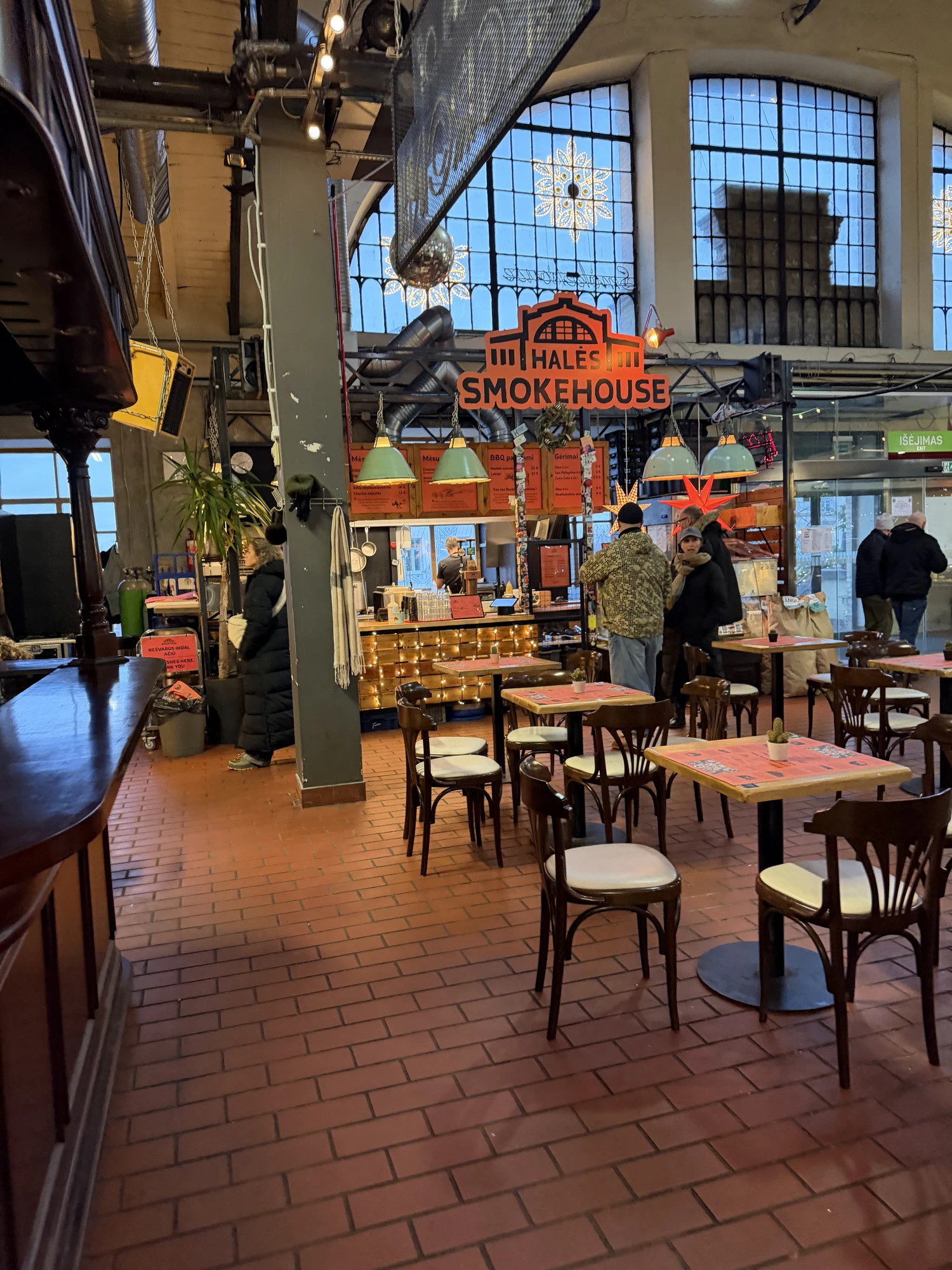
Where Paupys is sleek and contemporary, Halės is characterful and a little rough around the edges, in the best way. The smokehouse is the signature stop — slow-smoked meats in generous portions — but you can just as easily graze across dumplings, soups, pastries and a craft beer. It sits between the Old Town's Gates of Dawn and the train station, so it slots neatly into a day on foot. It's closed Mondays; come Tuesday to Saturday for the fullest line-up.
The reason to choose Halės over a glossier food hall is precisely its dual nature. You can do something here you can't at Paupys: shop a real produce market for cheese, smoked meats, honey, bread and seasonal fruit, then sit down and eat a cooked lunch ten metres away — and carry the provisions home for dinner. For travellers who want their food experience to come with a side of local life rather than just a curated menu, that combination is hard to beat. It's also the more central of the two, an easy walk from the southern end of the Old Town, which makes it a natural lunch stop in the middle of a day's sightseeing.
- Best for
- a central, low-key market lunch and picnic shopping in one stop.
- Don't miss: the oak smokehouse, the cheese and smoked-meat counters.
Traditional produce markets: Kalvarijų and the station area
Beyond the food halls, Vilnius keeps a couple of proper produce markets that are worth a detour for atmosphere and value. Kalvarijų Market, north of the river in Žirmūnai, is the larger and more local of the two — rows of fruit, vegetables, flowers, dairy and meat where you'll hear very little English and pay very little money. It's less of a sit-down-and-eat destination than Halės or Paupys, but it's the real thing if you want to see how the city shops.
Around the train and bus stations, the Station District has its own loose constellation of cheap eats, bakeries, kebab and dumpling counters and increasingly hip independent cafés. It isn't a single hall, but treated as one informal food zone it's a reliable, budget-friendly place to eat near your arrival or departure. Together, these markets and the station-area stalls round out the city's affordable, local-leaning food scene.
A note on Kalvarijų in particular, because it rewards the curious traveller. It's a proper neighbourhood market, busiest at weekends, where the trade is overwhelmingly local and the prices reflect that — you'll see grandmothers buying flowers, families stocking up on vegetables, and specialist stalls for everything from smoked fish to honey to pickles. There are a few simple food counters if you get hungry, but the real reason to come is atmosphere and value: it's the closest thing in Vilnius to seeing how the city actually feeds itself, with none of the gloss of the modern halls. Pair it with a walk along the river or a wander through Žirmūnai if you want to combine it with seeing a less-touristed part of town.
The Station District, meanwhile, is in the middle of a transformation worth knowing about. Long overlooked as merely the place you arrive and leave, the area around the train and bus stations has sprouted a clutch of genuinely good independent cafés, natural-wine bars and casual kitchens in recent years, alongside its older budget staples. It now functions as an informal food quarter in its own right — handy not only when you're catching a train but as a destination for a cheap, characterful meal. And because Halės Market sits right on its edge, the two flow naturally into a single afternoon of eating.
- Kalvarijų Market: large, local produce market north of the river — great value, little English.
- Station District: scattered cheap eats and cafés rather than one hall, handy on arrival.
- Both lean traditional and inexpensive — bring cash for the smaller stalls.
Food halls for families and groups
There's a reason food halls have become the default suggestion for anyone travelling in a group through Vilnius: they remove the single hardest part of eating out together, which is agreement. Around a long communal table, the toddler can have a plain bowl of noodles, the teenager a burger, one parent a Georgian cheese boat and the other a plate of sushi, all ordered separately and all arriving when each is ready. Nobody waits on the slowest dish, nobody compromises on cuisine, and the bill is naturally split because everyone pays their own stall.
For families specifically, the halls have practical advantages too. The atmosphere is informal and loud enough that a fussy child won't stand out, there's room for pushchairs, and the all-day opening means you can eat at the odd hours that travelling with kids demands rather than waiting for a restaurant's dinner service. Paupys is the most family-friendly of the lot, with its space, terrace and relaxed mood; Halės works well for a quicker, cheaper stop. Larger groups should consider reserving a table at Paupys in advance, particularly for weekend evenings, when seating is at a premium.
Couples and friends travelling without kids get a different but equally useful benefit: a food hall is a low-stakes way to taste widely. Rather than committing a whole meal to one restaurant and one cuisine, you can sample three or four kitchens in an afternoon, share everything, and discover what you want to seek out properly later in the trip. Treat a hall as a tasting session and it earns its place even on a short visit.
And if your group includes both big and small appetites, or fussy and adventurous eaters, the per-stall pricing means nobody overpays for what they don't eat. Order a single dish to start, see how hungry you still are, and go back for more — there's none of the waste or guesswork of a fixed restaurant menu. It's the most forgiving way to feed a mixed group anywhere in the city.
- Everyone orders their own cuisine and pays their own stall — no compromise, no split-bill maths.
- Informal, pushchair-friendly and open all day, which suits travelling with kids.
- Reserve ahead at Paupys for larger groups, especially weekend evenings.
How to choose, and how to plan a market meal
For a polished, all-weather meal with a wide menu and a terrace, choose Paupys. For something central, historic and cheaper, with picnic shopping built in, choose Halės. For a genuinely local produce market with rock-bottom prices, head to Kalvarijų. If you're between trains, the Station District stalls will do the job. Most travellers happily visit more than one over a few days.
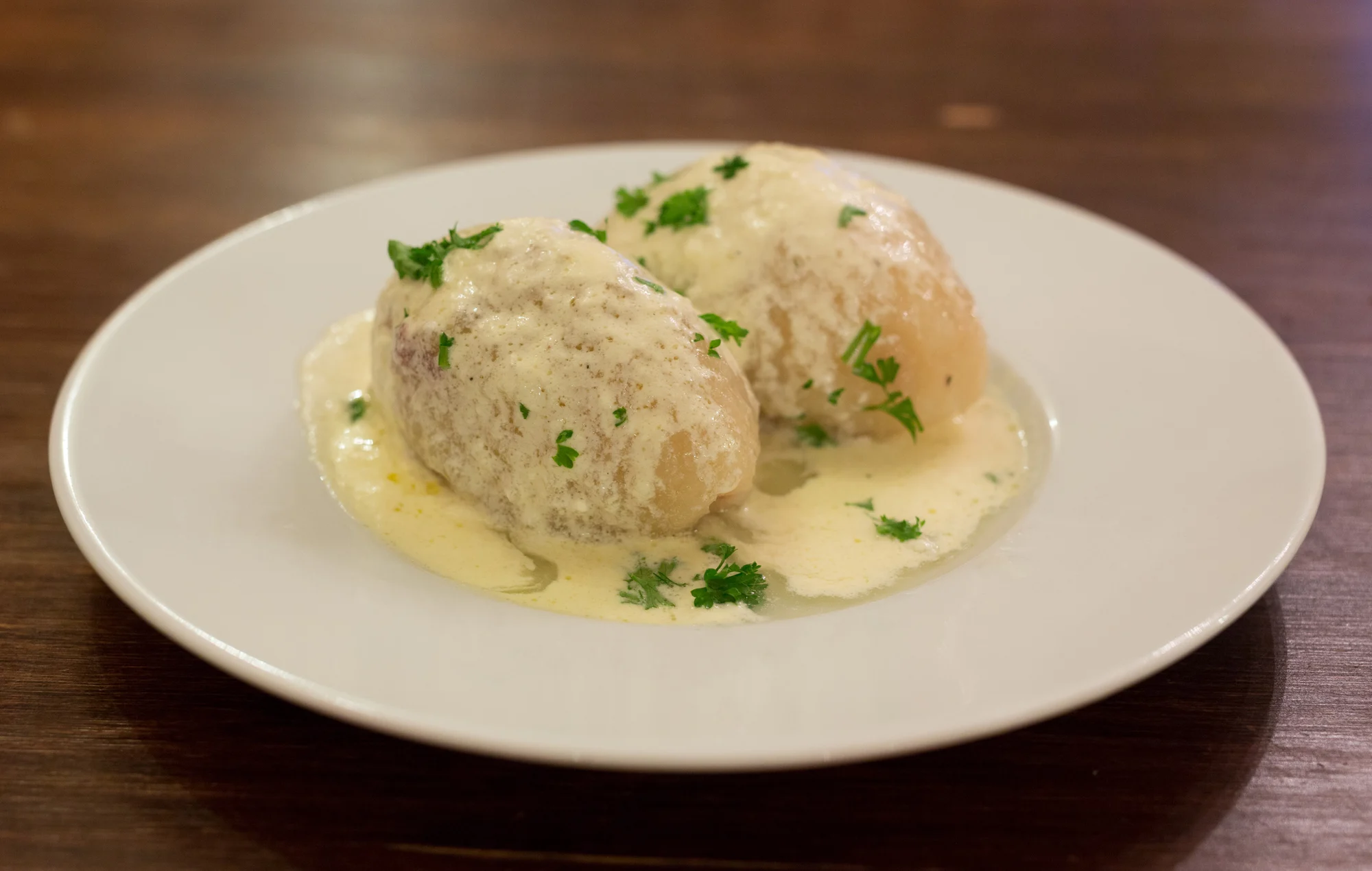
A few practical notes round things out. Opening hours differ between the halls and, within them, between individual stalls — the produce counters at the markets open early and wind down by late afternoon, while the food stalls and bars run later, so check before a special trip and don't assume every vendor keeps the building's headline hours. Cards are accepted at the modern stalls almost universally, but bring a little cash for small produce vendors at the traditional markets. And go in hungry but unhurried: the whole pleasure of a food hall is the slow graze, so leave time to walk the room, order in rounds, and let the afternoon stretch.
Whichever you pick, the playbook is the same: arrive hungry, walk the whole hall once before committing, spread your order across a few stalls so you taste more, and don't over-order — portions are generous. Go off-peak (mid-afternoon, or weekday lunch just before or after the rush) if you want a table without a wait. And at the produce markets, keep some cash on hand for the smaller vendors. Done right, a market meal is one of the best-value, most local things you can do in Vilnius.
If you only have time for one over a short city break, here's the simple call. First-timers who want the easiest, most enjoyable experience should head to Paupys: it's the most polished, the most varied, and the best place to linger. Travellers who care about authenticity and want to combine eating with a glimpse of everyday Vilnius should make Halės their pick, ideally folding in the Old Town and the Station District around it. Self-caterers and the genuinely budget-conscious should add Kalvarijų. Over a longer stay, do all three — they're different enough that none feels like a repeat, and together they tell you more about how the city eats than any single restaurant ever could.
Finally, remember that the food-hall scene in Vilnius is young and fast-moving. New stalls open, vendors rotate, and the occasional new hall appears, so treat any specific vendor recommendation as a starting point rather than gospel — the joy is in discovering what's there when you visit. The constants are the buildings, the value and the variety, and those reliably deliver one of the most satisfying and affordable ways to eat your way through the city.
One last logistical note: all of these are easy to reach on foot or by a short bus ride from the centre. Paupys is a ten-to-fifteen-minute walk east of the Old Town past Užupis; Halės is on the Old Town's southern edge by the station; Kalvarijų is a little further north across the river. None requires a taxi, and stringing two together — say, a market breakfast at Halės and a late lunch at Paupys, with a walk through Užupis in between — makes for a pleasant, low-cost day built entirely around eating well.
- Polished + terrace → Paupys; central + cheap → Halės; ultra-local → Kalvarijų.
- Walk the hall once before ordering, then spread your order across stalls.
- Go off-peak for easy seating; keep cash for small produce vendors.
Related guides
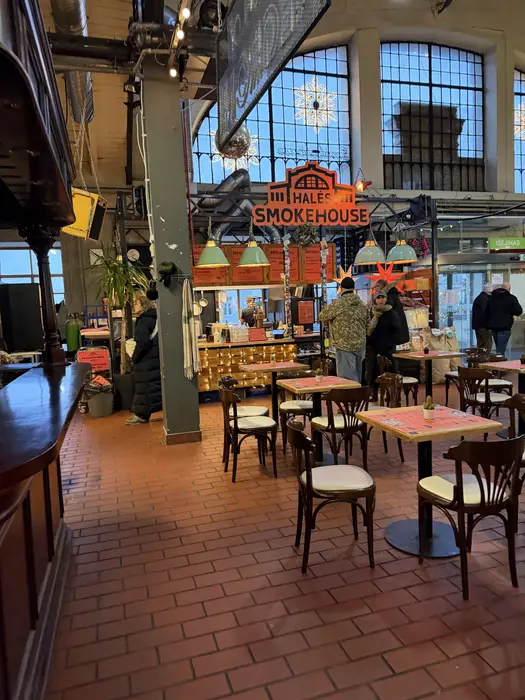
Halės Market: A Guide to Vilnius's Oldest Market Hall
How to visit Halės Market, the oldest covered market in Vilnius — produce, cheese and meat counters, street-food stalls, cafés and bars, plus when to go and what to eat near the station.
Read guide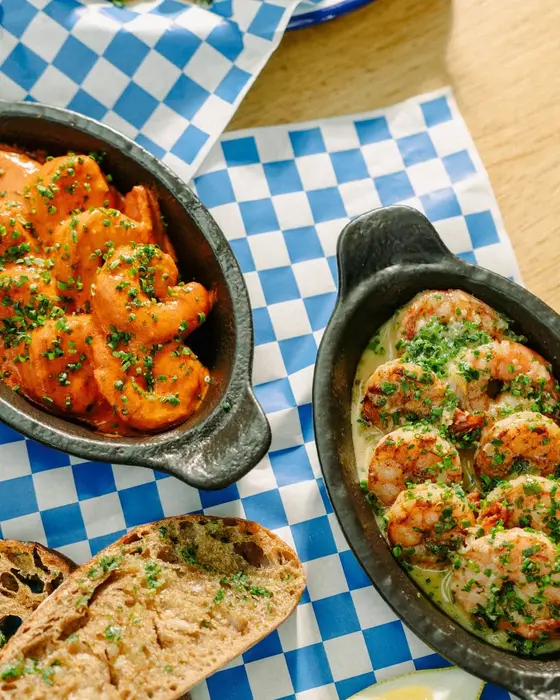
Paupio Turgus (Paupys Market)
Paupys Market is Vilnius's most stylish modern food hall — a greenery-filled space in the Paupys district where independent vendors serve Georgian, Japanese, Italian and Middle Eastern dishes around a central bar.
Read guide
Budget Eats in Vilnius: Cheap, Filling & Local
How to eat well in Vilnius without spending much — markets, food halls, bakeries, cheap Lithuanian taverns, lunch deals and student-area food — with realistic prices and money-saving tips.
Read guide