
Lukiškės: Vilnius's Central Square & Prison District
A guide to Lukiškės, the central Vilnius district around the city's largest square: Lukiškės Square and its layered history, the former prison turned cultural space Lukiškės Prison 2.0, government and museum streets, restaurants, cocktail bars and central hotel trade-offs.
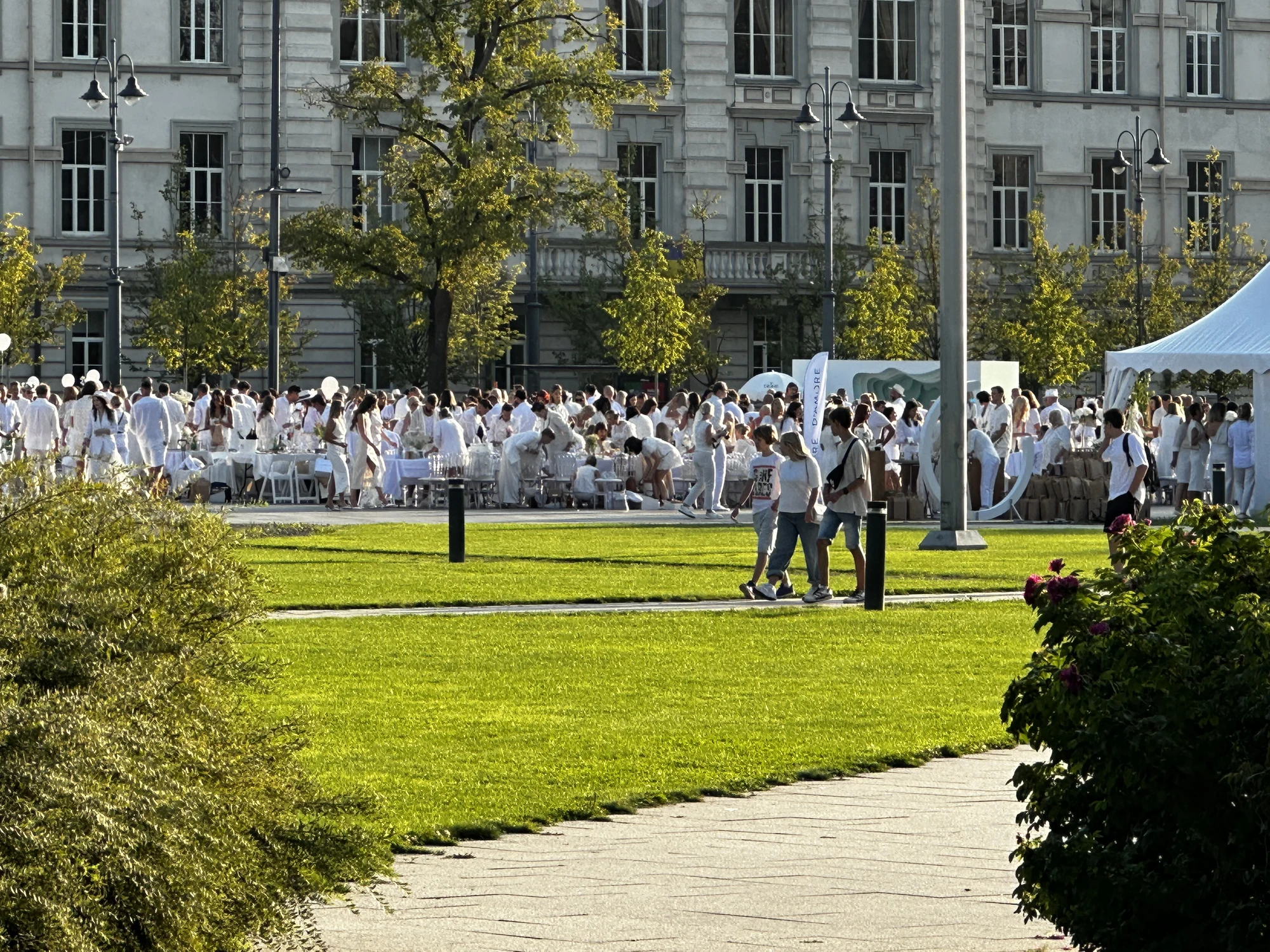
- ✓Lukiškės centers on Lukiškės Square, Vilnius's largest square (about four hectares) and a charged place of national memory.
- ✓The former Lukiškės Prison, closed in 2019, has reopened as 'Lukiškės Prison 2.0', a cultural venue for tours, concerts and events.
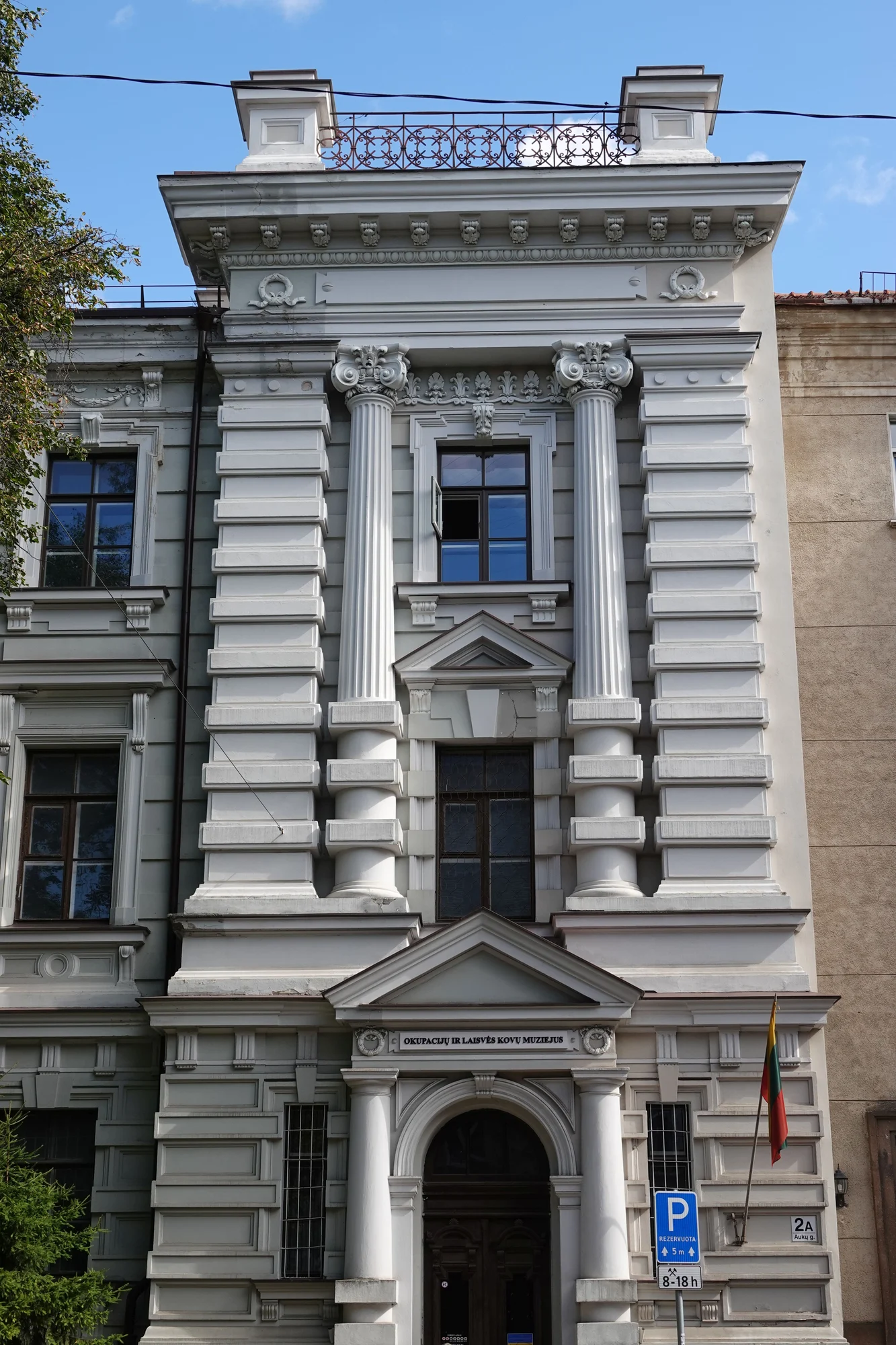
- ✓It's a district of government buildings, ministries and museums, including the Museum of Occupations and Freedom Fights (the former KGB building).
- ✓Sitting between the Old Town and the New City Center, it's a central, walkable base with restaurants and cocktail bars nearby.
- ✓Heavy, important history sits alongside ordinary city life — approach the memorial sites with care.
Lukiškės Square: the heart of national memory
Lukiškės takes its name and its identity from Lukiškės Square (Lukiškių aikštė), the largest square in Vilnius at roughly four hectares, set just west of the Old Town along the spine of Gediminas Avenue. Today it's a broad, green public space, but few places in Lithuania carry such layered and difficult history. After the January Uprising of 1863, the square was a site of public executions of insurgents under Tsarist rule; in the 20th century it stood beside the headquarters of the Soviet security services, where opponents of the regime were interrogated and worse.
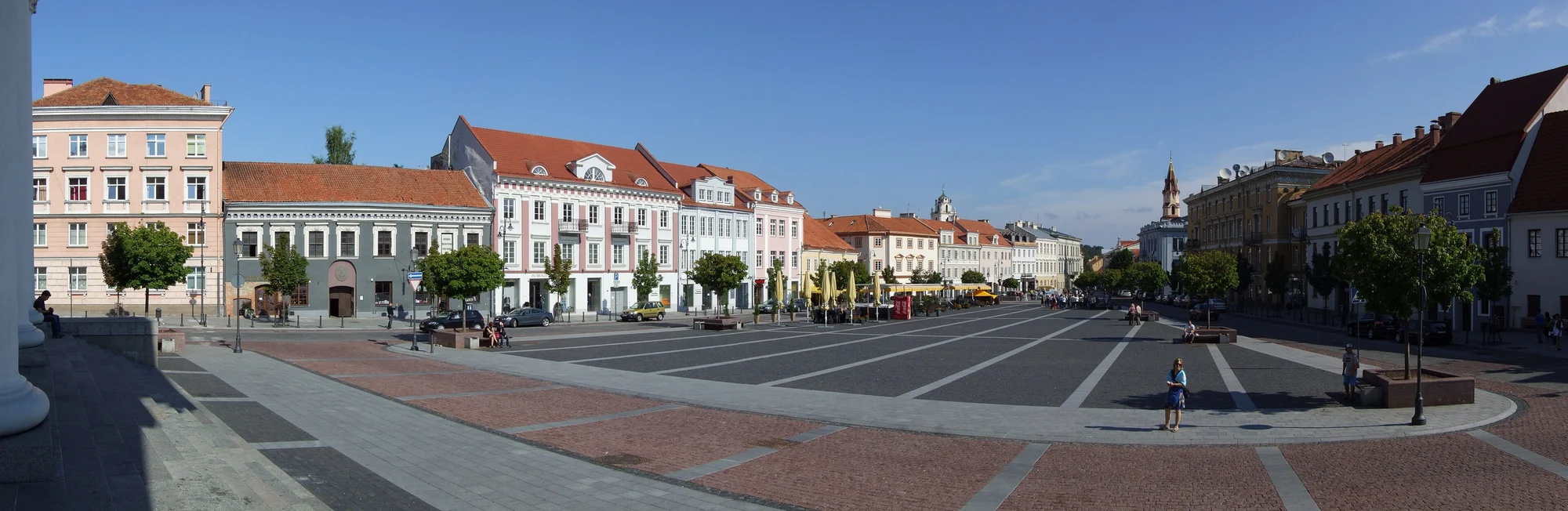
For most of the post-independence period the square was dominated by a now-removed Soviet Lenin statue, toppled in 1991, and the question of what should stand there instead — a monument to anti-Soviet resistance, or simply a symbol of freedom — has been debated for over three decades without a settled answer. The result is a square that is deliberately understated: a green, open civic space that reflects its historical layers rather than crowning them with a single grand monument, leaving the meaning of the place open and contested.
That makes Lukiškės Square a quietly powerful place to stand and read the city's modern story. It's central, easy to reach on foot from the Old Town along Gediminas Avenue, and best appreciated with a little context rather than as scenery. Knowing what happened here transforms an unremarkable green expanse into one of the most resonant spots in the capital.
- Vilnius's largest square (~4 hectares), on Gediminas Avenue west of the Old Town.
- A site of 19th-century executions and 20th-century Soviet repression.
- The long-debated monument question keeps it deliberately green and open.
How Lukiškės became the city's official quarter
Lukiškės sits just outside the line of the old medieval walls, west of the Old Town, and that location shaped everything about it. For centuries it was a suburb beyond the gates — open ground used for markets, fairs and, less happily, public punishments, which is part of why the great square ended up here rather than inside the cramped historic core. As the city expanded in the 19th century under Tsarist rule, this near-but-outside land was an obvious place to lay out broad new streets and put up large public buildings, and the district took on the formal, institutional character it still has.
The 20th century deepened that role and darkened it. Grand buildings around the square were turned to the machinery of occupation: the Lukiškės prison complex held political prisoners, and the building on the corner of Gediminas Avenue became the headquarters of the Soviet security services — the same address that is now the Museum of Occupations and Freedom Fights. The district's clustering of courts, ministries and security buildings, which still gives it a businesslike air, is the direct inheritance of that century of being the place where state power was administered.
Independent Lithuania has spent the decades since reckoning with that inheritance in public. The Lenin statue came down in 1991, the KGB building became a museum, the prison closed in 2019 and reopened as a cultural venue, and the square itself remains an unfinished argument about how to remember. Understanding Lukiškės as the city's 'official quarter' — built up outside the walls to hold the institutions the Old Town couldn't — is the key to reading why so much heavy, contested history is concentrated in these few central blocks.
- Grew up just outside the medieval walls as a suburb of markets and open ground.
- Laid out with broad streets and big public buildings as the 19th-century city expanded.
- Became the address of state power — courts, ministries and the security services.
- Independent Lithuania has reworked those sites: KGB museum, Prison 2.0, the open square.
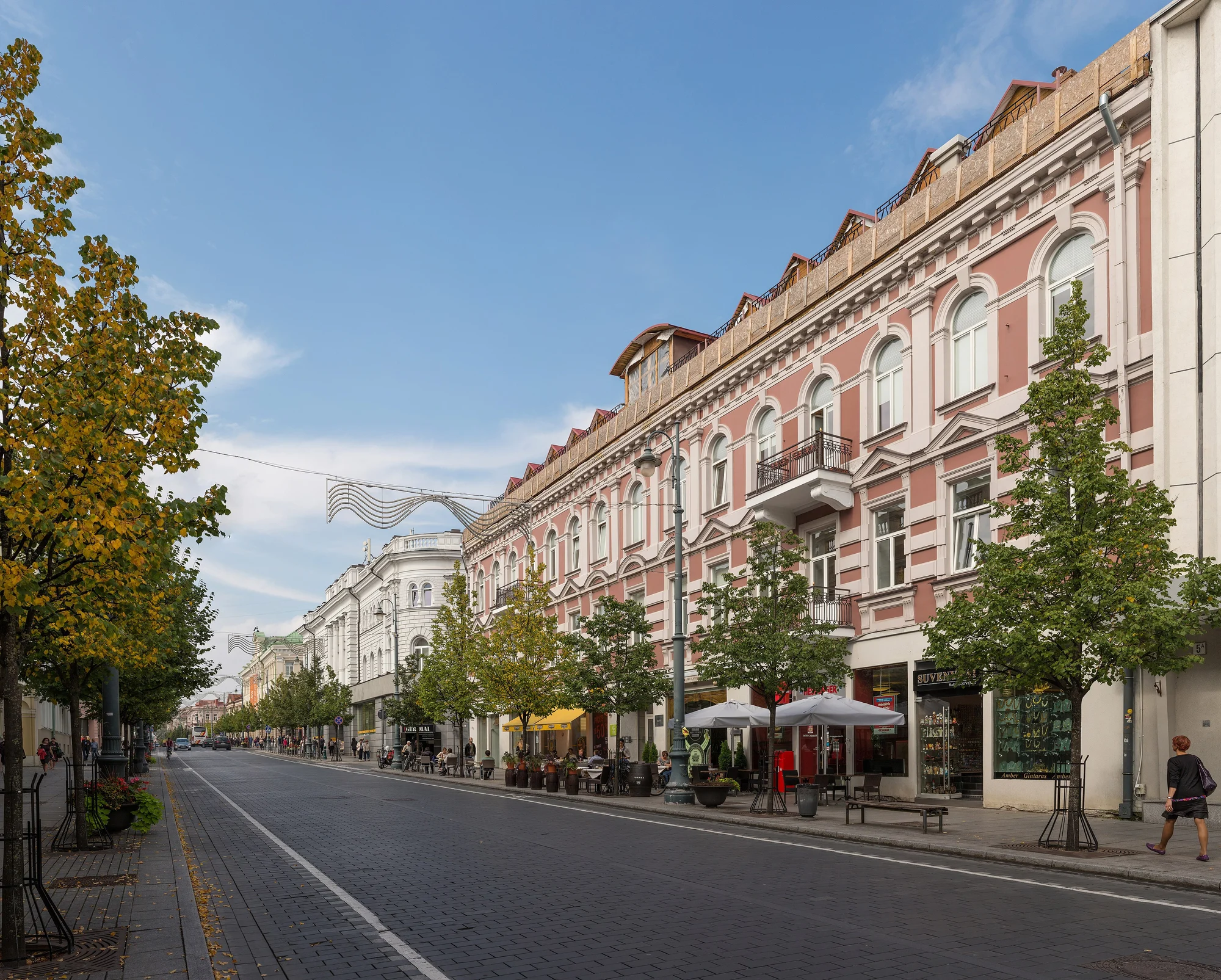
The grand 19th-century boulevard that defines Lukiškės's northern edge.
Vilnius NeighborhoodsHow Lukiškės's story compares with the city's other districts.
Map pins
Map data © OpenStreetMap contributors · Tiles © OpenFreeMap
Lukiškės Prison 2.0: from cells to culture
The district's most talked-about address is Lukiškės Prison, which operated as a prison until 2019 and has since been reborn as 'Lukiškės Prison 2.0', a cultural venue inside the historic complex. Where the corridors once held inmates, the spaces now host artist studios, exhibitions, markets, film nights and concerts, and the former prison yard has become a lively event space — a striking example of difficult heritage repurposed for the living city. It has become one of the first venues of its kind in the Baltic region, with hundreds of artists and creators reportedly basing studios in the former cells.
Visitors can take guided tours through the holding cells, interrogation rooms and life-sentence wings, and the venue has built a busy events calendar, hosting touring international musicians as well as its own programming. It's become one of Lithuania's most distinctive attractions precisely because of the contrast between the heavy, oppressive architecture and the creative life now filling it; film and television productions have also used the atmospheric setting.
Programming and opening arrangements change with the seasons, so check the current schedule and book tours or concert tickets in advance. The building's history is real and recent, and the better tours treat it with seriousness rather than as a thrill — worth keeping in mind as you visit. Approached thoughtfully, it's one of the most memorable few hours you can spend in the city.
- Operated as a prison until 2019; now a cultural venue with studios, tours and events.
- Guided tours cover the cells, interrogation rooms and prison yard.
- Hosts concerts, markets and film nights — check the schedule and book ahead.
Government streets and Soviet-history museums
Beyond the square and the prison, Lukiškės is a district of institutions. This is where much of the Lithuanian state sits — ministries, courts and government offices line the streets between Gediminas Avenue and Lukiškės Square, giving the area a formal, businesslike daytime character. It's orderly and central rather than picturesque, and it forms the natural link between the Old Town and the modern districts beyond, with grand 19th- and 20th-century buildings setting the tone.
It's also the heart of Vilnius's Soviet-history trail. The Museum of Occupations and Freedom Fights, housed in the former KGB headquarters on the edge of the district, is among the most affecting museums in the country: its preserved cells, surveillance rooms and execution chamber in the basement tell the story of occupation and resistance directly and without flinching. Combined with Lukiškės Square and the prison, the area offers a concentrated, sobering route through Lithuania's 20th century — arguably the most important history-focused walk in the city.
If you're building a history-focused day in Vilnius, these sites cluster together conveniently here — heavy material, but essential to understanding the city and the country. Give yourself emotional space between them rather than rushing all three in a single hurried morning.
What makes the cluster so powerful is that the three sites are not abstractions but the actual buildings where the events happened: the square where executions and rallies took place, the cells where prisoners were held, the basement rooms where the security services worked. Standing in the real places, with the real corridors and courtyards around you, lands differently from reading a panel — which is also why pacing and a respectful approach matter so much here. It's the difference between learning about Lithuania's twentieth century and walking through the rooms where it was decided.
Eating, drinking and staying central
For all its weighty history, Lukiškės is also simply a central, livable part of the city. Its streets carry restaurants, cafés and some of Vilnius's better cocktail bars, and its position on and around Gediminas Avenue puts shops, the National Drama Theatre and the spine of modern downtown on your doorstep. After dark the area shifts from government district to a perfectly good place for dinner and a drink, with a more local, less touristy crowd than the Old Town's busiest streets.
As a base, Lukiškės offers a genuinely central location: it's walkable to the Old Town in one direction and the New City Center in the other, with strong public-transport links along the avenue. The trade-off is atmosphere — you swap the Old Town's medieval lanes for a more administrative, contemporary streetscape — but you gain space, quieter nights and an excellent position for exploring both halves of the city on foot.
It's a smart pick for travelers who want to be central without paying full Old Town premiums, and who are interested in the city's modern history as much as its Baroque past. For a trip that balances heavy history with good food and easy access to everything, Lukiškės is an underrated place to stay.
- Restaurants, cafés and well-regarded cocktail bars along and around Gediminas Avenue.
- Walkable to both the Old Town and the New City Center, with strong transport links.
- A central, sometimes better-value base — administrative by day, lively by night.
Where to eat and drink around Lukiškės
Lukiškės eats well precisely because it isn't built for tourists. With ministries, courts and offices filling its streets by day, the district has the kind of restaurants and cafés that have to satisfy people who eat here every week — reliable lunch spots, business-lunch dining rooms, and a clutch of cocktail bars that come into their own after office hours. The crowd skews local and the prices tend to be friendlier than on the most touristed Old Town terraces, which is part of why it's an underrated place to settle in for an evening.
Use Gediminas Avenue as your axis. The boulevard and the lanes feeding off it carry cafés for a daytime break, full-service restaurants for dinner, and some of the city's better cocktail bars for afterward; the National Drama Theatre on the avenue also makes a natural pivot for a pre- or post-show meal. Because everything is a short, flat walk from the square and the museums, it's easy to break up a heavy history morning with a proper lunch and then return in the evening for a relaxed dinner and a drink.
For specifics, our food guides do the legwork: the cocktail-bars roundup flags the Lukiškės and Gedimino spots worth seeking out, the best-restaurants guide covers where to book a real dinner downtown, and the wine-bars guide points to the cellars and natural-wine rooms nearby. The pattern that works best here is simple — daytime coffee between sights, then come back after dark, when the government district quietly turns into one of the city's easier places for a good, unfussy night out.
- Local, less touristy and often better value than the busiest Old Town terraces.
- Use Gediminas Avenue as your axis — cafés by day, restaurants and cocktail bars by night.
- Easy to break a heavy history morning with lunch and return for dinner.
- The National Drama Theatre on the avenue makes a natural pre- or post-show pivot.
Planning a Lukiškės day and a local's tip
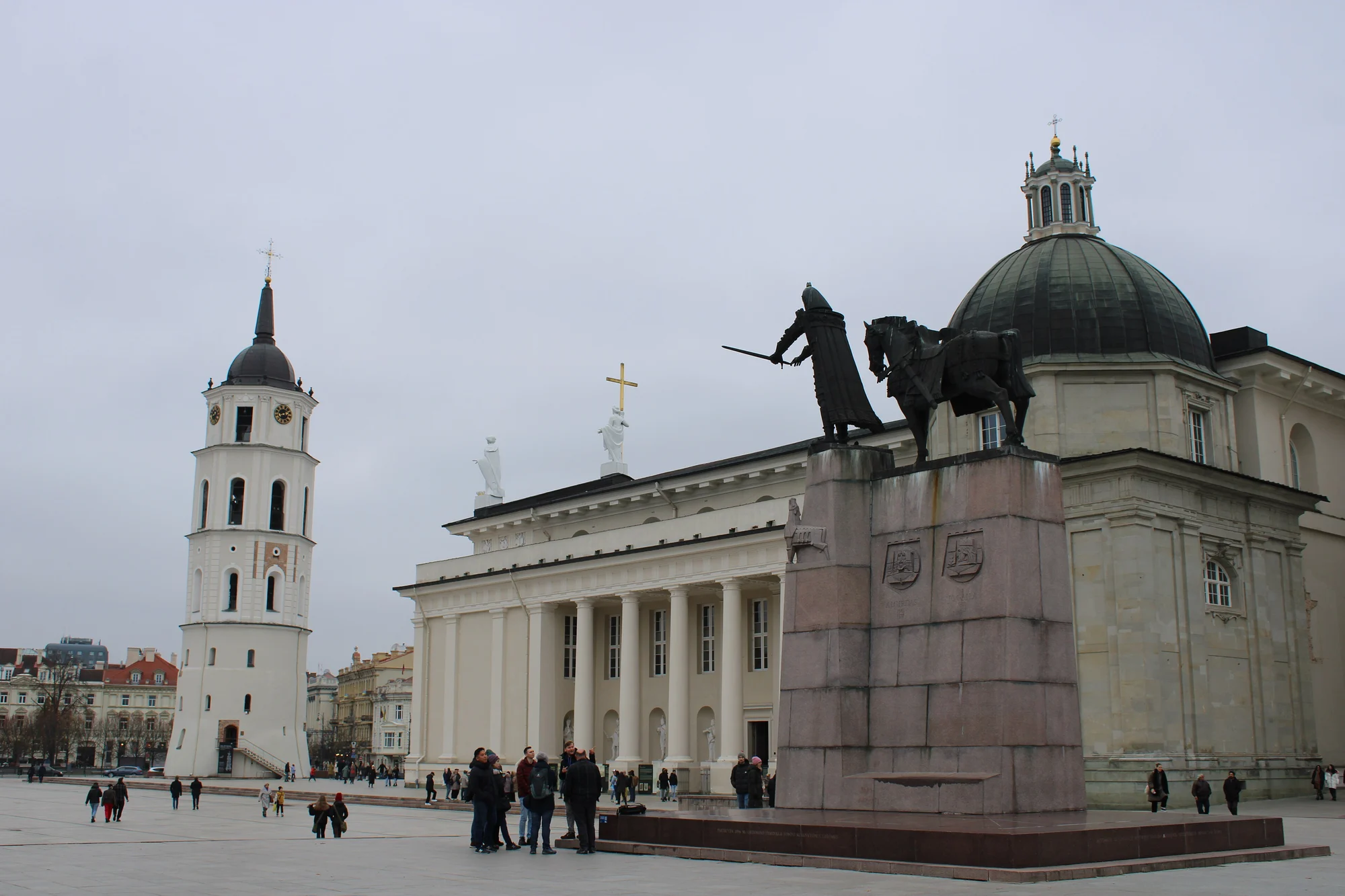
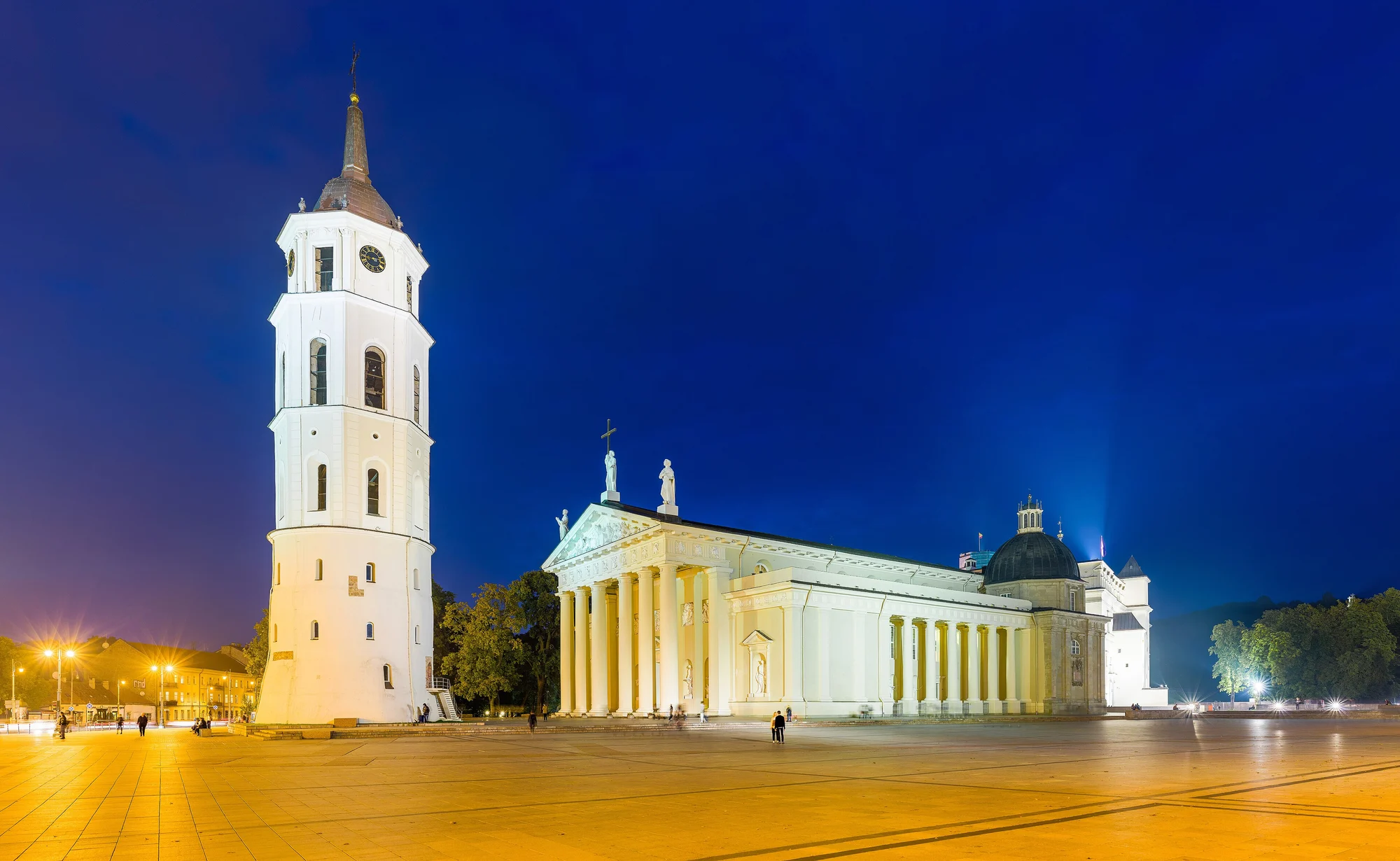
Lukiškės works best as the centre of a history-focused day in Vilnius. A natural route walks west along Gediminas Avenue from Cathedral Square, pausing at the former KGB building (the Museum of Occupations and Freedom Fights), continuing to Lukiškės Square to take in its scale and meaning, and finishing at Lukiškės Prison 2.0 for a tour or an event. It's a compact, walkable loop, and the three sites together tell a continuous story of repression and resistance.
Practical points matter more here than in lighter districts. The prison runs guided tours and a changing events calendar, so check the current schedule and book ahead, especially for English-language tours and concerts; the museum has its own opening hours; and Lukiškės Square is open public space you can visit any time. Because the material is heavy, it's worth pacing yourself — pairing the historic sites with a break at one of the district's cafés or a later drink at a cocktail bar keeps the day from becoming overwhelming.
A note on tone, and a local's tip. These are sites of real and recent suffering, so the best way to experience them is with seriousness and respect — reading the context, taking the guided interpretation, and resisting the urge to treat the prison purely as a backdrop for photos. The local's tip is one of sequencing: do the heaviest visit (the KGB museum's basement) first, while you're fresh, then let the day lift — the open square, a coffee, the prison's creative reuse, and finally a relaxed dinner and drink on or near Gediminas Avenue. That arc carries you from the weight of the history into the ordinary, living city around it, which is exactly the point Lukiškės makes. As a base, it then conveniently delivers you back to good food, central streets and the Old Town just minutes away.
- Walk Gediminas Avenue west: KGB museum, Lukiškės Square, then Prison 2.0.
- Book prison tours and events ahead; check museum hours; the square is always open.
- Pace the heavy history with café and bar breaks, and visit respectfully.
- Tip: do the heaviest visit first while fresh, then let the day lift toward dinner.
Related guides
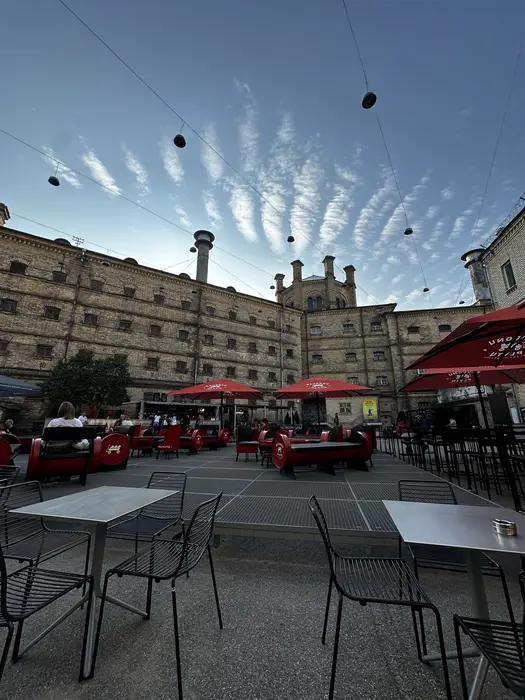
Lukiškės Prison 2.0
A century-old Vilnius prison reborn as a cultural hub — guided history tours by day, spooky adults-only tours by night, plus bars, concerts and events inside the cell blocks.
Read guide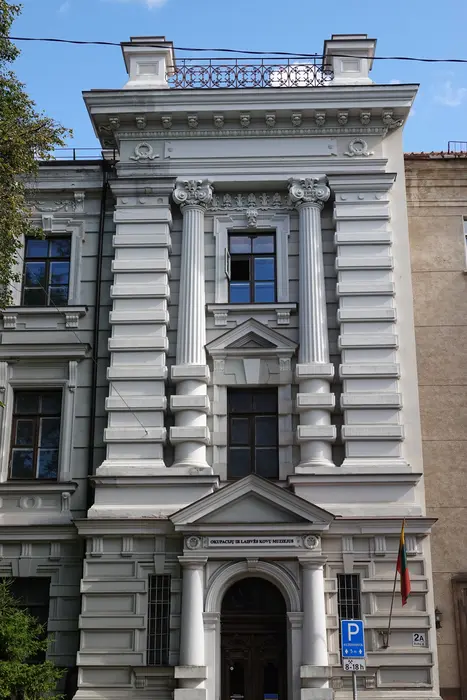
Museum of Occupations and Freedom Fights (KGB Museum)
Set in the former KGB headquarters and prison, this sobering museum tells the story of Lithuania's 20th-century occupations and resistance — including the preserved cells in the basement.
Read guide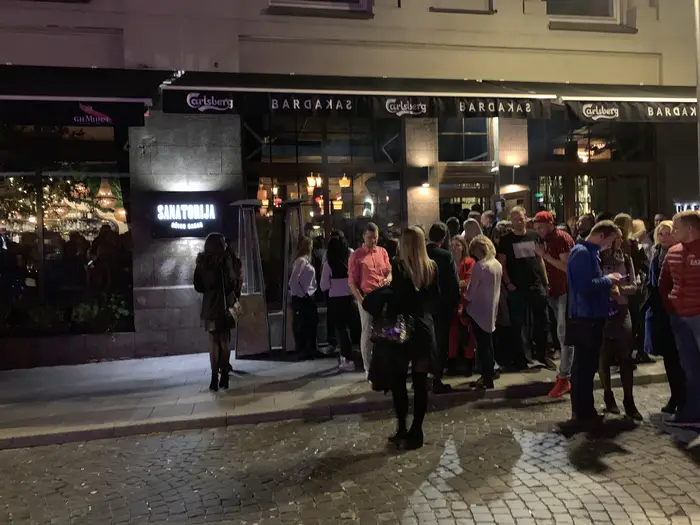
Best Cocktail & Rooftop Bars in Vilnius
Vilnius cocktail bars worth dressing up for: rooftop drinks with Old Town views, hotel lounges, hidden speakeasy-style rooms, and where the late-night scene moves around Lukiškės and the New Town.
Read guide