
Vilnius by Month
A month-by-month guide to visiting Vilnius: weather and daylight, festivals and markets, crowds and hotel value, day-trip timing and what to book — so you can pick the right month for the trip you want.
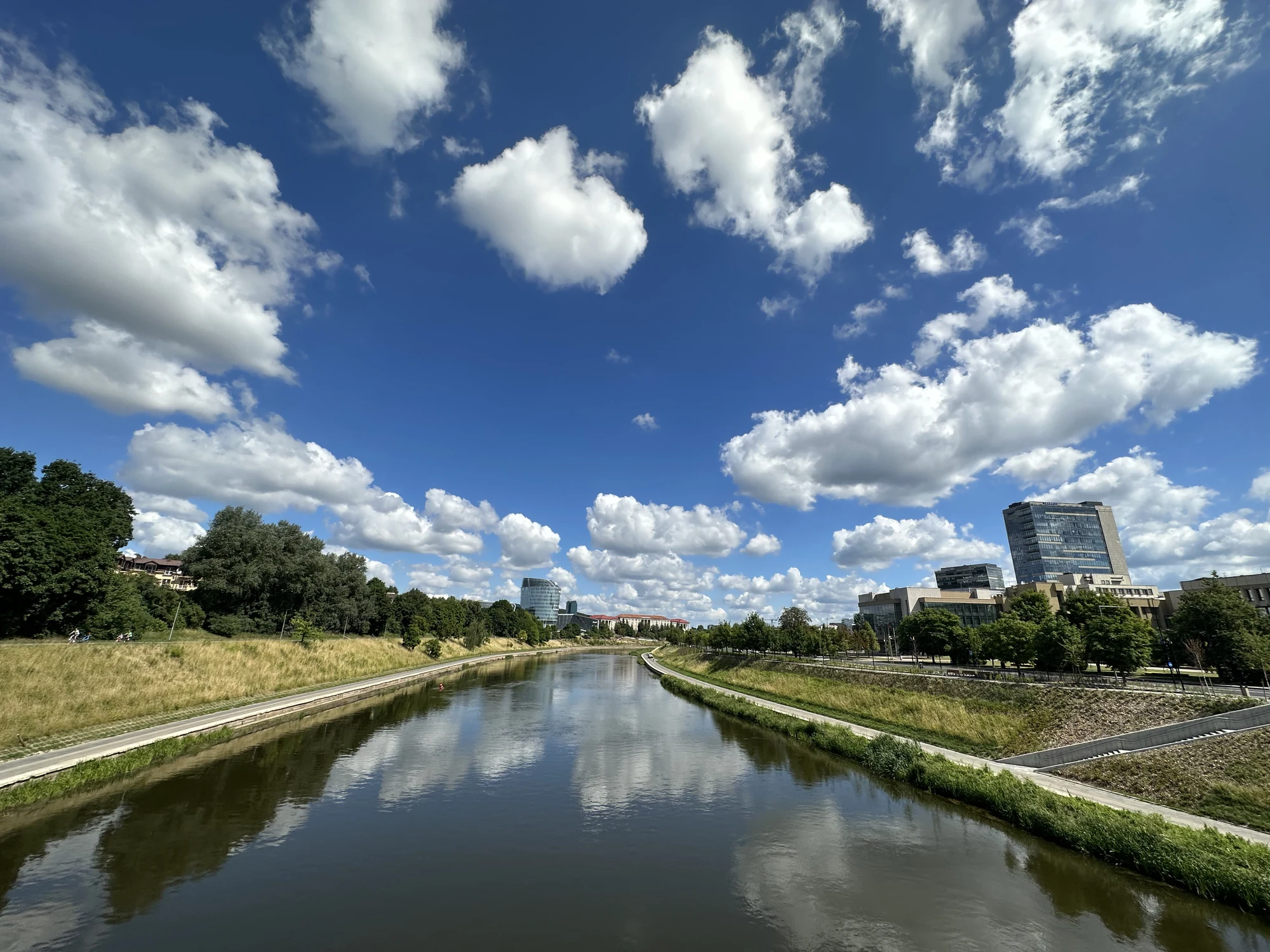
- ✓Vilnius changes more between seasons than milder European cities — the same Old Town is a terrace-filled summer stage and a lamplit winter postcard.
- ✓Daylight swings enormously: from sunsets near 10pm at midsummer to mid-afternoon dusk in deep winter, which reshapes how you plan each day.
- ✓Late spring (May, early June) and early autumn (September) are the all-round sweet spots: mild weather, real festivals, fewer crowds and better value.
- ✓Summer is peak for warmth, long evenings, lakes and the fullest festival calendar — and the highest hotel prices, so book early.
- ✓Deep winter trades daylight for atmosphere: the Light Festival, the Christmas markets and cosy café culture, at the year's lowest prices outside December.
How to use this guide
There's no single best time to visit Vilnius — there's the right time for the trip you want. This city rewards different travellers in different months: the sun-seeker and the festival-goer in summer, the value-hunter and the colour-lover in autumn, the romantic in deep winter, the all-rounder in late spring. The point of a month-by-month guide is to help you match the version of Vilnius you'll meet to the one you're hoping for, rather than gambling on the calendar.
Each month page that follows weighs the same handful of variables, because they're the ones that actually shape a trip. Weather and daylight set the rhythm of your days — how long you can be outside, and how much you'll want indoor anchors. Festivals and events can be the whole reason to pick a particular fortnight. And crowds and hotel value move together, peaking in high summer and the December market weeks and dipping in the quiet shoulder months. Read those three against your own priorities and the right month usually becomes obvious.
Use this hub to compare at a glance, then click into the individual month for the detail — what's on, what to pack, where to base yourself and what's worth booking ahead. If you'd rather think in seasons than months, our best-time-to-visit guide takes the wider view, and the weather-and-packing guide turns all of this into a suitcase. Between the three, you should be able to settle on dates with confidence.
One last framing before you dive in: Vilnius is a year-round destination, but it rewards travellers who pick a month for a reason rather than by default. A summer visitor and a deep-winter visitor effectively see two different cities — same streets, completely different mood, pace and price — and neither is objectively better. The most disappointed travellers are usually the ones who arrive expecting one season and get another. So read the month you're eyeing honestly, match it to the trip you actually want, and you'll set your expectations correctly before you ever land.
Winter: January, February & December
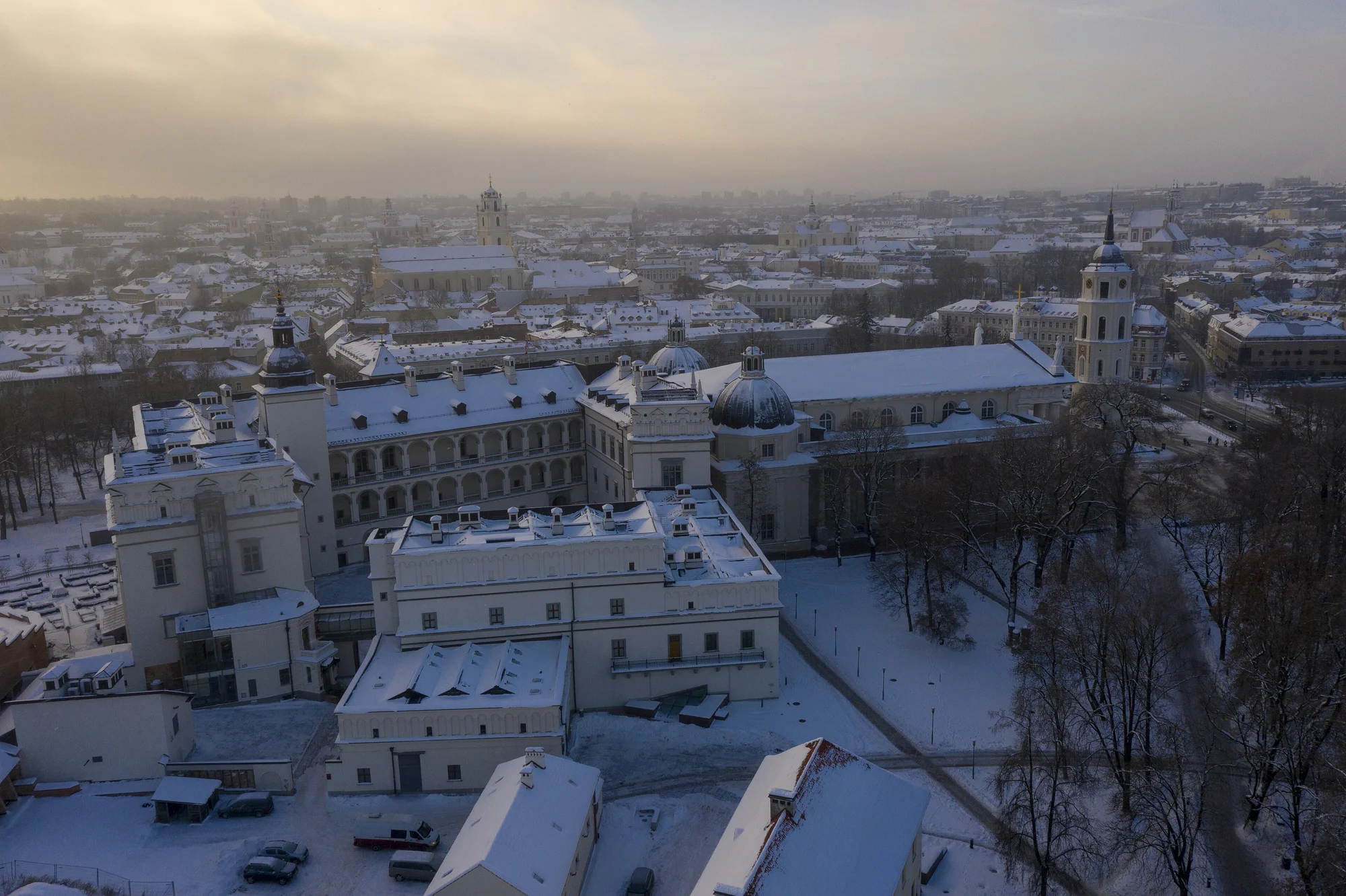
Winter in Vilnius is cold, dark and quietly magical. From December through February temperatures usually sit around or below freezing, snow is common, and daylight is short — under eight hours at the turn of the year, with the sun setting in the mid-afternoon. This is not the season for long days of outdoor sightseeing, and that's the point: winter Vilnius is about atmosphere over endurance, built around warm cafés, candlelit churches, strong museums and the soft glow of snow on Baroque rooftops.
It's also the season of the city's most distinctive events. December turns the Old Town into one of Europe's prettiest Christmas-market scenes, anchored by the spectacular tree on Cathedral Square. In late January the Vilnius Light Festival lights up the historic centre with installations for a few magical evenings around the city's birthday. February settles into the deepest, quietest stretch of winter, with independence-day commemorations and the literary buzz of the Book Fair to draw people indoors. Outside the December market weeks, hotel prices are at their lowest, which makes winter a genuine bargain for travellers who don't mind the cold.
Plan winter trips around the daylight and the ice. Front-load any outdoor sights into the short bright middle of the day, build a museum, café or church into each afternoon for warmth, and pack for genuine cold and slippery streets. Do that and winter delivers a side of Vilnius the summer crowds never see — intimate, romantic and, between the festivals, almost entirely yours.
- Cold (around or below freezing) and short days — under 8 hours of daylight at the year's turn.
- December: Christmas markets and the Cathedral Square tree; late January: the Light Festival.
- February: deep winter, independence commemorations and the Book Fair.
- Lowest hotel prices outside December — plan indoor anchors and pack for ice.
Winter value, the Light Festival and cold-weather planning.
Vilnius in FebruaryDeepest winter, the Book Fair and independence dates.
Vilnius in DecemberChristmas markets, the tree and festive logistics.
Map pins
Map data © OpenStreetMap contributors · Tiles © OpenFreeMap
Spring: March, April & May
Spring is the season of waking up. March is still cold and changeable — winter's tail, with a real chance of snow one day and thin sunshine the next — but it opens with Kaziukas Fair, the huge folk-craft market that fills the Old Town's streets in early March and is one of the city's most beloved traditions. By April the parks are greening, the days are lengthening fast, and Easter and Užupis Republic Day bring colour back to the calendar. It's a flexible-weather season: pack layers, keep a couple of indoor backups handy, and you'll enjoy the city emerging.
May is when spring tips into something genuinely lovely, and it's one of the best months to visit full stop. The weather is mild, the evenings are long, the parks are in full leaf, and the festival calendar fires up — Pink Soup Fest, Museum Night and Street Music Day all land in this stretch, turning the city celebratory without the crowds and prices of high summer. Day-trip weather becomes reliable too, so Trakai and the lakes come into play. For many travellers, May is the sweet spot the whole year is measured against.
Across spring, hotel value is good and the crowds are modest until the very end of the season. The trade-off is changeability, especially early on — March can feel wintry and April can swing from sun to showers in an afternoon — so spring rewards travellers who plan loosely and dress for variety. Get the timing right and you catch Vilnius at its most hopeful: green, lively and not yet busy.
- March: cold and changeable, but opens with the big Kaziukas folk-craft fair.
- April: parks greening, days lengthening, Easter and Užupis Republic Day.
- May: mild, long evenings and a packed festival calendar — a top month to visit.
- Good value and modest crowds; pack layers for spring's swings.
Summer: June, July & August
Summer is Vilnius at full volume. Daylight is enormous — around midsummer the sun sets close to 10pm and the sky barely darkens — which stretches every day and fills the terraces, courtyards and riverside beaches well into the evening. Temperatures are comfortably warm rather than fierce, the parks are lush, and the open-air café culture that defines a Vilnius summer is in full swing. June brings the long-day magic and Culture Night; July and August deliver peak warmth, outdoor festivals, lake swimming and the best weather for day trips.
This is also the busiest and most expensive season, with July and August the peak of both. The most popular restaurants, terraces and tours fill up, and hotel prices climb, so booking ahead pays off — for beds, for dinner, and for any guided trips. The reward is the city at its most outdoor and alive: balloons drifting over the Old Town on calm evenings, markets and concerts spilling into the streets, and the lakes and nature parks at their swimmable best. If you want warmth and energy, summer delivers it in full.
Pack for warmth but keep a light layer and a compact waterproof on hand — even in July an evening by the river can cool quickly and a passing Baltic shower is never far away. And lean into the long evenings: this is the one season when you can sightsee, swim and still have hours of golden light for a late dinner outdoors. Summer is the easiest Vilnius to love, as long as you don't mind sharing it.
- Enormous daylight (sunset near 10pm at midsummer) and warm, café-friendly evenings.
- Best weather for lake swimming, picnics and nature day trips.
- Busiest and priciest — book hotels, dinners and tours well ahead.
- Balloon season and a full open-air festival calendar; keep a light rain layer handy.
Autumn: September, October & November
Autumn is quietly one of the best times to come, and one of the most underrated. September often holds onto summer's warmth with a fraction of the crowds — for many it's the strongest shoulder month of the year — bringing softer weather, the Capital Days street festival, the marathon and a city that feels relaxed rather than rushed. As the season turns, Vilnius's many parks light up with golden colour that suits its mellow, romantic mood, and the cafés that spilled outdoors in July move their warmth back inside.
October is peak autumn colour and a lovely month for slower, indoor-leaning days: galleries, museums, long café afternoons and crisp walks through glowing parks. By November the city slides toward winter — grey, often wet, with daylight shortening fast and the first signs of the Christmas setup appearing. Hotel value is at its best in these quieter weeks, and the trade of weather for value (and breathing room) is a good one if you plan a couple of indoor anchors into each day and pack a waterproof.
Autumn is also a quietly excellent season for day trips while the weather holds — Trakai is glorious framed by turning trees, and the regional parks are at their most photogenic. Aim for late September or early October to catch the colour before the wetter, darker weeks, and treat late November as effectively early winter: a cosy, indoor-leaning city break rather than an outdoor one, at the year's friendliest prices before the December markets arrive.
- September can still feel summery, with far fewer visitors — a top shoulder month.
- October: peak park colour and cosy, indoor-leaning café culture.
- November: grey and wet, days short, but the best hotel value of the year.
- Great day-trip colour early on; pack rain layers and plan indoor backups later.
Choosing your month
If you want the simplest steer: pick late spring or early autumn for the best all-round trip. May, early June and September give you mild, walkable weather, genuinely long evenings, a real festival calendar and noticeably better value than high summer — without the cold and short days of deep winter. That window suits most travellers, most of the time, and it's where we point anyone who's flexible on dates.
Beyond that, choose by what you're after. Set on warmth, lakes and the longest days, with the budget and tolerance for crowds? Go July or August. Chasing the most atmosphere for the least money, and happy indoors? Deep winter — January or February — is romantic and cheap, with the Light Festival as a highlight. Want the Christmas-market postcard? December, booked early. Love a specific festival — Kaziukas in March, Pink Soup Fest in May, the marathon in September? Let the event pick the fortnight and build around it.
Whatever you choose, plan around two constants: daylight and weather. The further from midsummer you travel, the more you'll lean on indoor anchors and the earlier you'll lose the light, so structure your days accordingly and pack for the season honestly. Do that, and Vilnius is a rewarding city in every single month — it just shows you a different face each time. Click into the month you're considering for the full picture.
Daylight, crowds and prices through the year
If you only internalise one thing about Vilnius's calendar, make it daylight, because it swings more dramatically here than in most European capitals and quietly reshapes every trip. Around midsummer the sun barely sets — long, golden evenings stretch dinner and walks well past 9pm — while at the turn of the year the light is gone by mid-afternoon, giving you well under eight usable hours. That single variable decides how much you can pack into a day, how much you'll lean on cosy indoor anchors, and how the city feels after dark: a terrace-lined stage in July, a lamplit stage-set in December.
Crowds and prices move together in a predictable rhythm, and knowing it helps you spend wisely. Two peaks dominate: high summer (July and August), when warmth, festivals and lake weather draw the most visitors and push hotel rates to their annual high; and the December market weeks, when the Christmas season briefly spikes demand again. Between and around those peaks, value improves steadily — the shoulder months of late spring and early autumn offer near-summer experiences for noticeably less, while deep winter (January and February) delivers the year's lowest prices and emptiest streets for travellers happy to bundle up.
The festival calendar is the third lever, and for many trips it's the deciding one. A handful of events are worth building a long weekend around: the Light Festival in late January, Kaziukas Fair in early March, Pink Soup Fest and Museum Night in May, Culture Night in June, Capital Days and the marathon in September, and the Christmas markets through December. If one of these is your reason to come, pick the fortnight first and let the weather and packing follow. If you're flexible instead, use the value rhythm above to land on a month that gives you the most Vilnius for your money — then dive into that month's page for the specifics.
- Daylight is the master variable: ~10pm sunsets at midsummer, mid-afternoon dusk in deep winter.
- Two price peaks: high summer (July–August) and the December market weeks.
- Best value: late-spring and early-autumn shoulders, then deep winter (January–February).
- Let a marquee festival pick your fortnight if one is your reason to visit.
Sources
Everything in By Month
All guides
12
Vilnius in April
Spring walks, Užupis Republic Day, Easter timing, parks, galleries, Trakai and weather-flexible planning for Vilnius in April.
Read guide
Vilnius in August
Warm evenings, markets, parks, Trakai, art routes and summer-end hotel and restaurant planning for Vilnius in August.
Read guide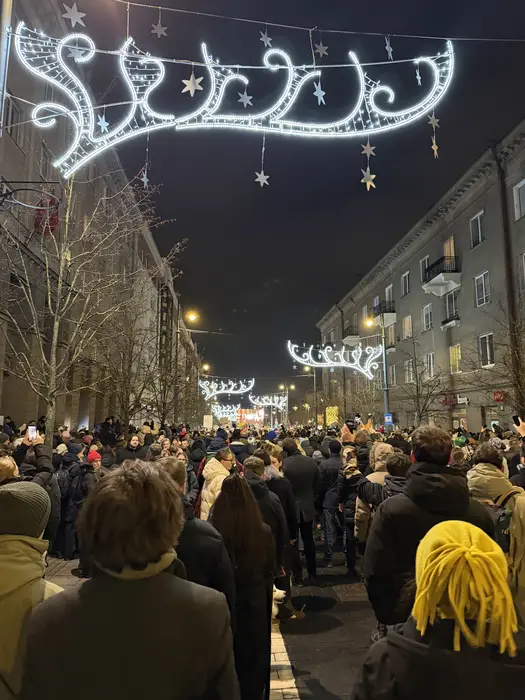
Vilnius in December
Christmas markets, the famous Cathedral Square tree, winter lights and deeply cosy cafés — December is Vilnius at its most magical and most romantic. Here's how to plan it.
Read guide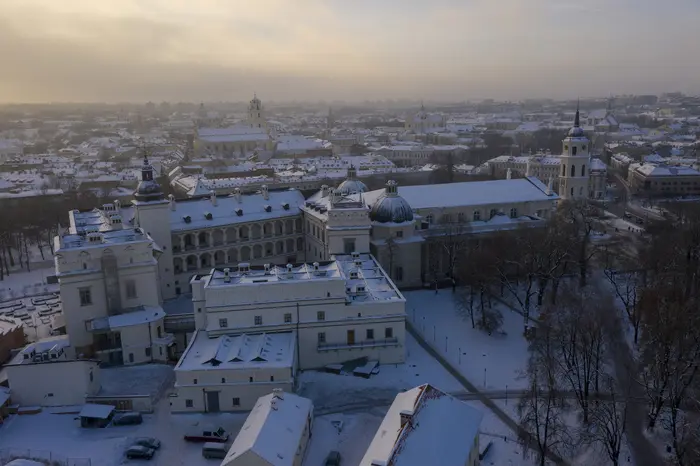
Vilnius in February
Visiting Vilnius in February: the deepest, quietest winter month, with cold weather and short days, the Vilnius Book Fair, independence commemorations, strong museums and cafés, and the year's best hotel value.
Read guideVilnius in January
Visiting Vilnius in January: deep-winter weather and short daylight, the Vilnius Light Festival, low crowds and prices, warm cafés and museums, icy-walk cautions and how to plan a cold-weather trip.
Read guide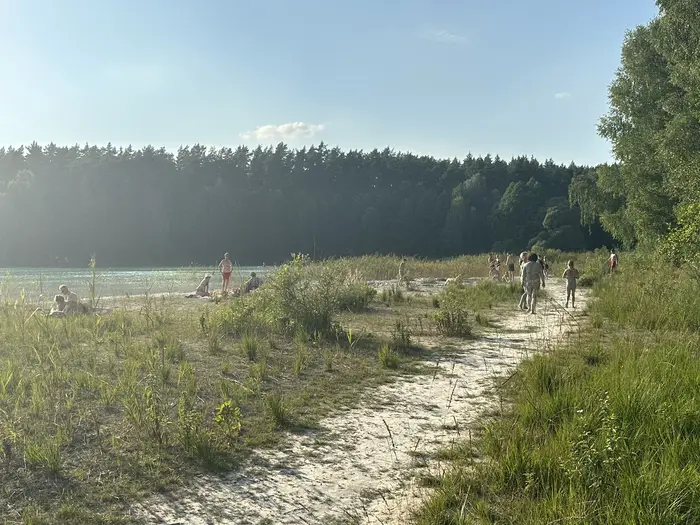
Vilnius in July
Summer festivals, lakes, Trakai, hot-air balloons, outdoor dining and late-evening Old Town routes for Vilnius in July.
Read guide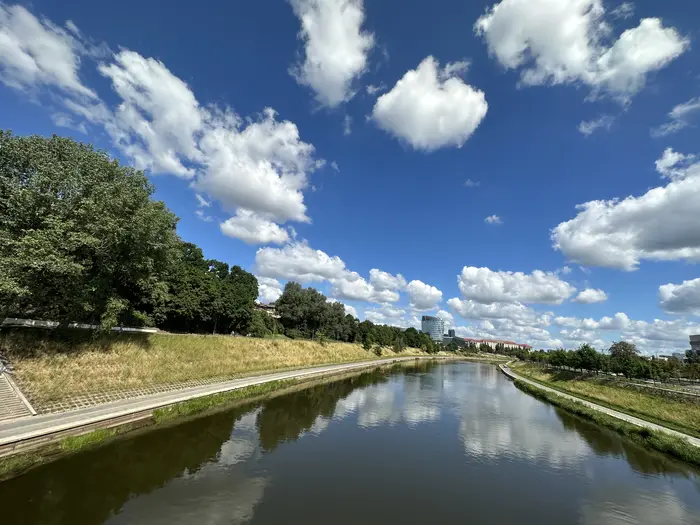
Vilnius in June
Long days, Culture Night, river walks, parks, cafés, day trips and warm-weather planning for Vilnius in June.
Read guide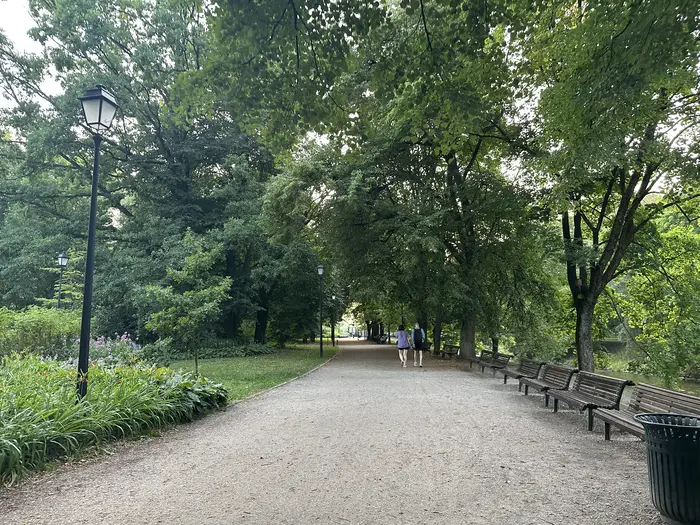
Vilnius in March
Visiting Vilnius in March: the changeable shoulder between winter and spring, the huge Kaziukas folk-craft fair, lengthening days, crafts and museums, and how to play the value-friendly low-season tactics.
Read guide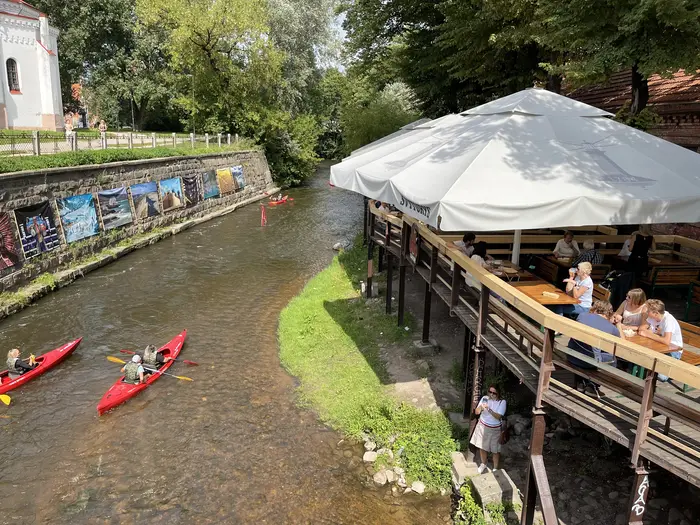
Vilnius in May
Pink Soup Fest, Museum Night, Street Music Day, parks, balloon season and stronger day-trip weather in Vilnius in May.
Read guide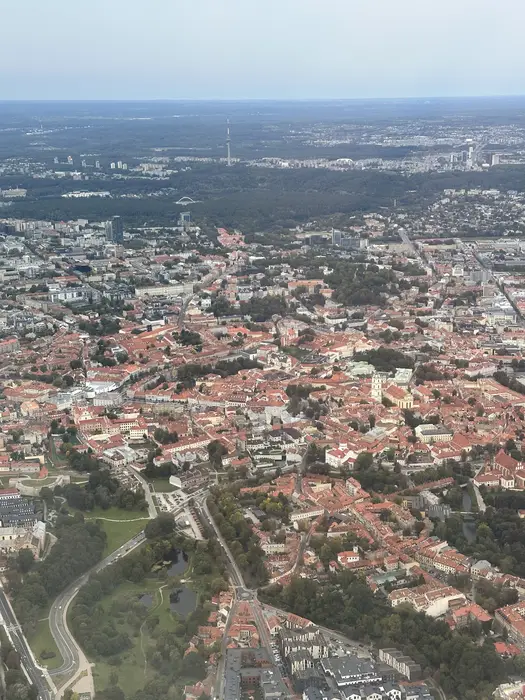
Vilnius in November
The quietest, cheapest month — short grey days, warm museums and cafés, and the first stirrings of the Christmas season. How to make November in Vilnius work in your favour.
Read guide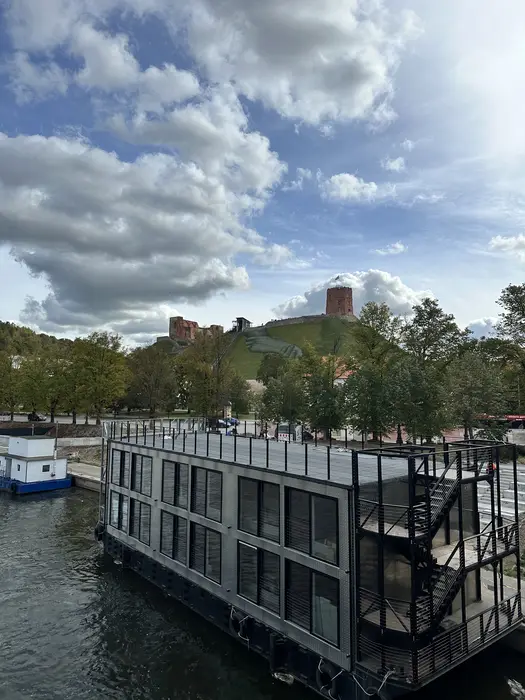
Vilnius in October
Autumn colour, comfortable museum weather, cosy cafés and one of the year's most photogenic months — what Vilnius is like in October and how to plan around the light and the cold.
Read guide
Vilnius in September
Softer weather, Capital Days, the Marathon, food season, design routes and one of Vilnius's strongest shoulder months.
Read guide