
Vilnius Train Station Guide
Vilnius railway station explained: orientation, the airport train, Trakai/Kaunas/Riga departures, luggage storage, food, nearby hotels and how the station district feels.
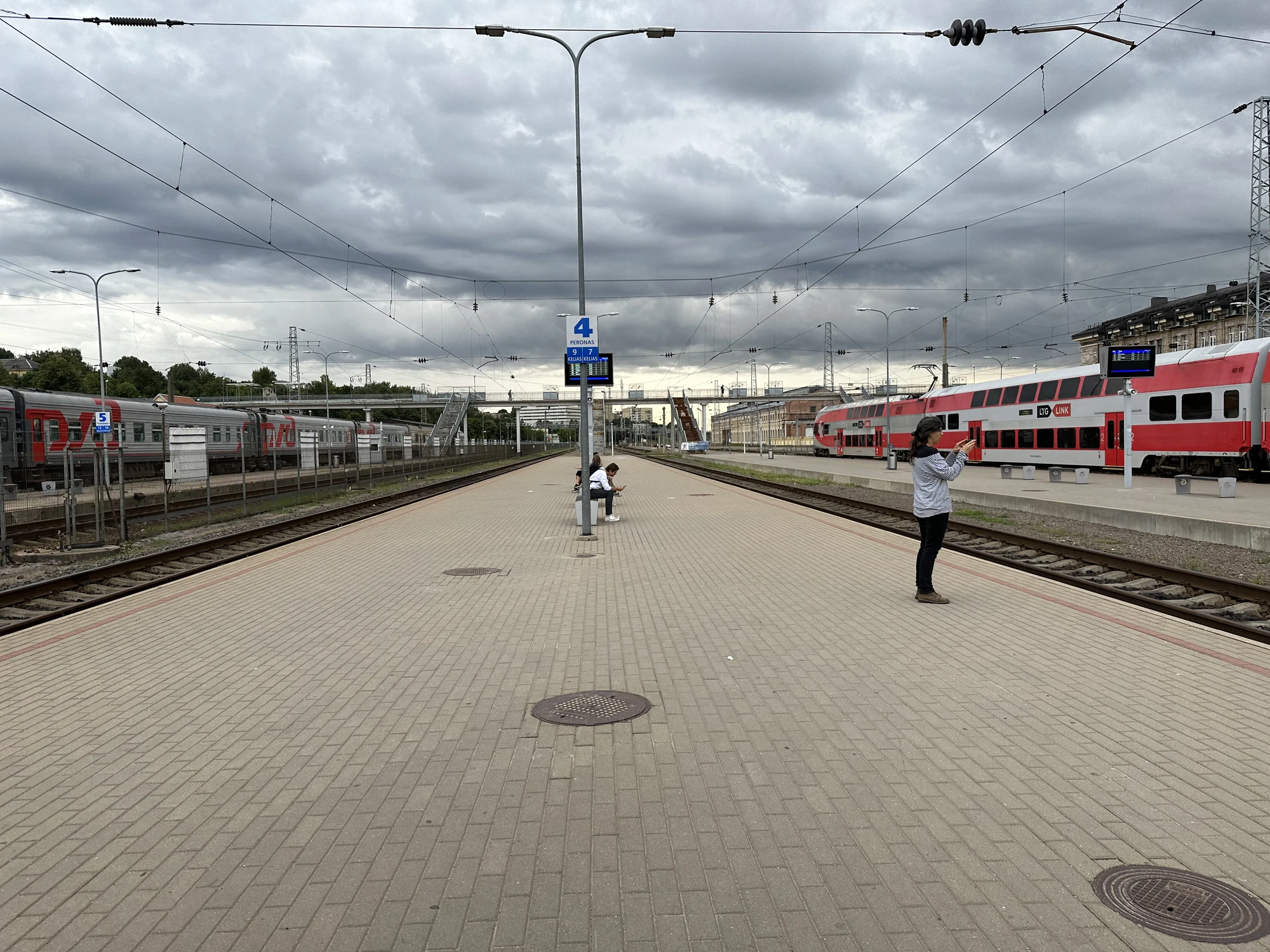
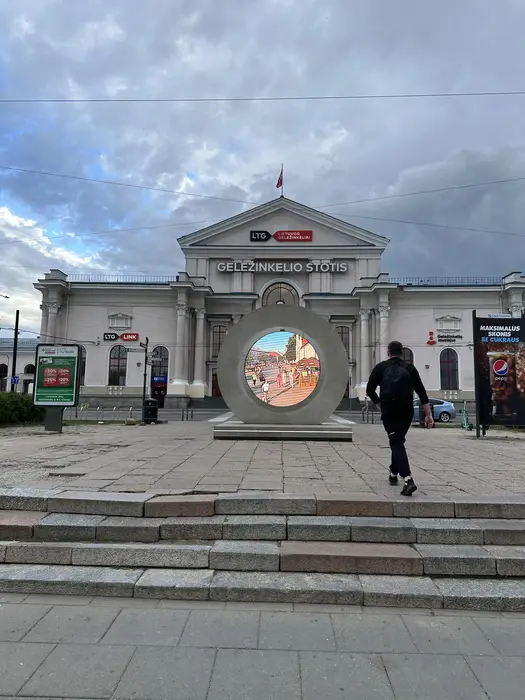
- ✓Vilnius's central railway station (Geležinkelio stotis) sits just south of the Old Town — a 10–15 minute walk to the Gate of Dawn — and shares a square with the bus station.
- ✓The airport train is the station's quiet superpower: a roughly 7-minute hop to Vilnius Airport for under a euro, running through the day.
- ✓It's the departure point for the easy day trips — frequent trains to Trakai and Kaunas — plus international links toward Riga and beyond via LTG Link.
- ✓Left-luggage storage is available; pay-by-coin lockers and the staffed service let you stash bags during station opening hours.
- ✓The station and its surrounding Stoties district have been steadily smartened up, but it's still a transport hub — keep an eye on your bags and stay aware after dark.
Orientation: where it is and how it feels
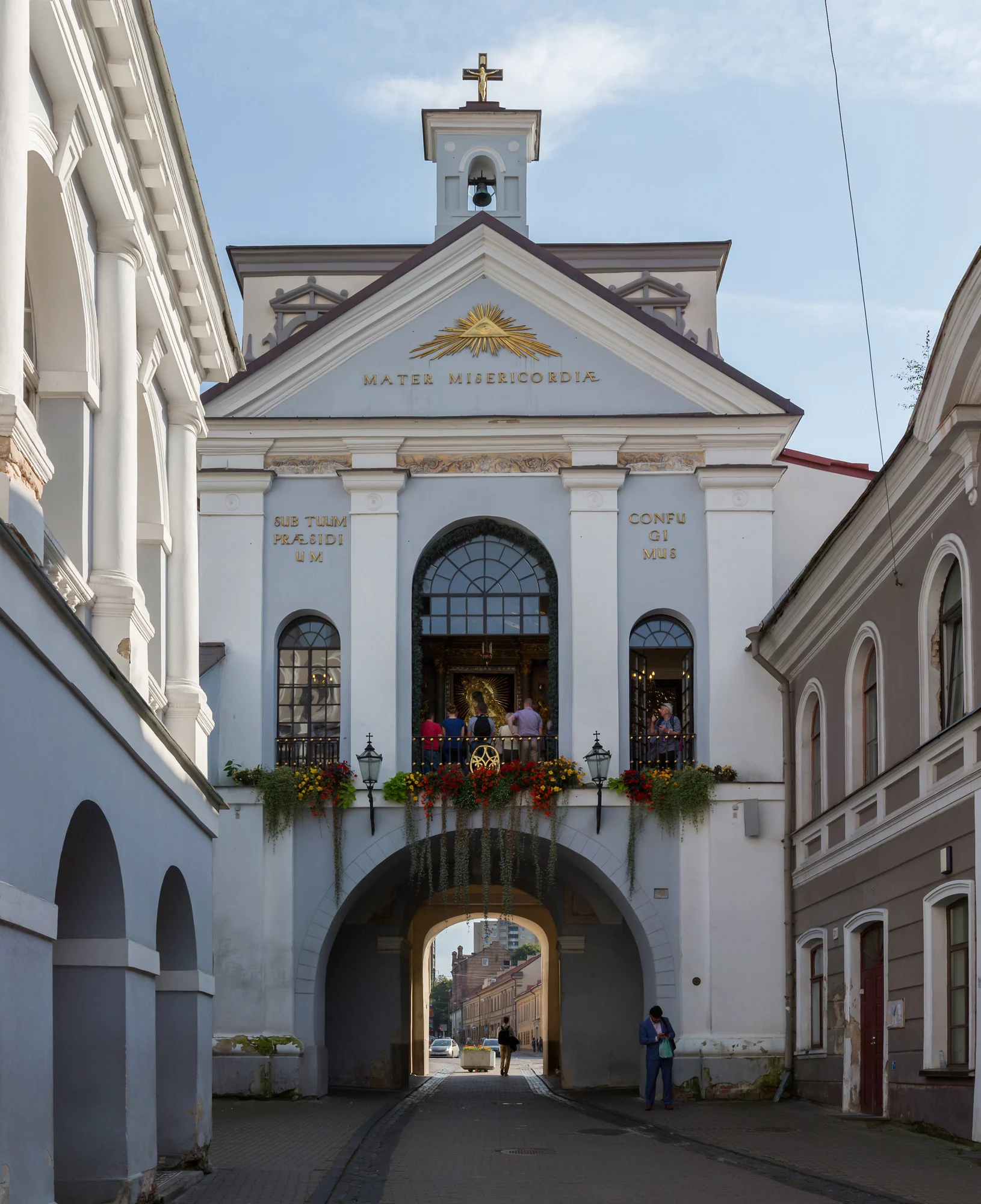
Vilnius's main railway station — Vilniaus geležinkelio stotis — sits at the southern edge of the centre, a short walk below the Old Town. From the platforms it's roughly 10–15 minutes on foot up to the Gate of Dawn and into Senamiestis, which makes the station genuinely convenient for a car-free arrival. Directly across the road is the inter-city bus station, so the two terminals effectively share one transport square; you can walk between trains and long-distance buses in a couple of minutes.
The station building itself is functional and has been gradually upgraded, with ticket desks and machines, departure boards, a few cafés and kiosks, toilets and the left-luggage service. The surrounding Stoties (station) district has shed much of its old rough reputation as Vilnius has invested in it, but it remains, fundamentally, a station neighbourhood — busier and grittier than the Old Town, with the usual transport-hub mix of commuters, travellers and a bit of after-dark loitering. It's not somewhere to be nervous, just somewhere to keep your wits and your bag close, exactly as you would at any city station.
For arriving visitors, the geography is the key takeaway: you can step off a train and be standing in front of the Gate of Dawn within fifteen minutes, no transfer required. That makes the station a far more pleasant arrival point than it once was, and it's why a growing number of travellers choose to base themselves in the renovated streets nearby rather than paying Old Town premiums. If you'd rather not walk uphill with luggage, a short Bolt or a single JUDU bus covers the gap to almost any central hotel in minutes.
- Vilniaus geležinkelio stotis is ~10–15 minutes' walk from the Gate of Dawn / Old Town.
- The inter-city bus station is directly across the road — easy train↔bus transfers.
- Ticket desks and machines, cafés, toilets and left luggage on site.
- The Stoties district is much improved but still a transport hub — stay bag-aware, especially after dark.
The airport train — the smart arrival
The station's best trick is the dedicated airport train. A special 'Vilnius — Airport' service links the central railway station directly with Vilnius Airport (VNO) in around 7 minutes, for well under a euro — the kind of airport connection most European capitals can only envy. Services run through the day (roughly from early morning to late evening, on a schedule of around a dozen-plus departures), and tickets can be bought at the station ticket machines, online, or on board.
For an arriving visitor, that makes the train the obvious first move: ride the few minutes from the airport into the central station, then walk up into the Old Town or grab a short Bolt to your hotel. It comfortably beats sitting in a taxi for the same trip, and it costs a fraction as much. The only thing to check is the timetable around your flight — because departures are spaced through the day rather than every few minutes, glance at the LTG Link schedule so you're not left waiting for the next one.
- 'Vilnius — Airport' train: ~7 minutes between the central station and VNO.
- Fare is well under €1 — around €0.70 (verify the current price before you travel).
- Runs through the day, with roughly a dozen-plus departures; buy at machines, online or on board.
- Check the LTG Link timetable around your flight, as departures are spaced out.
Map pins
Map data © OpenStreetMap contributors · Tiles © OpenFreeMap
Day trips and onward trains: Trakai, Kaunas, Riga
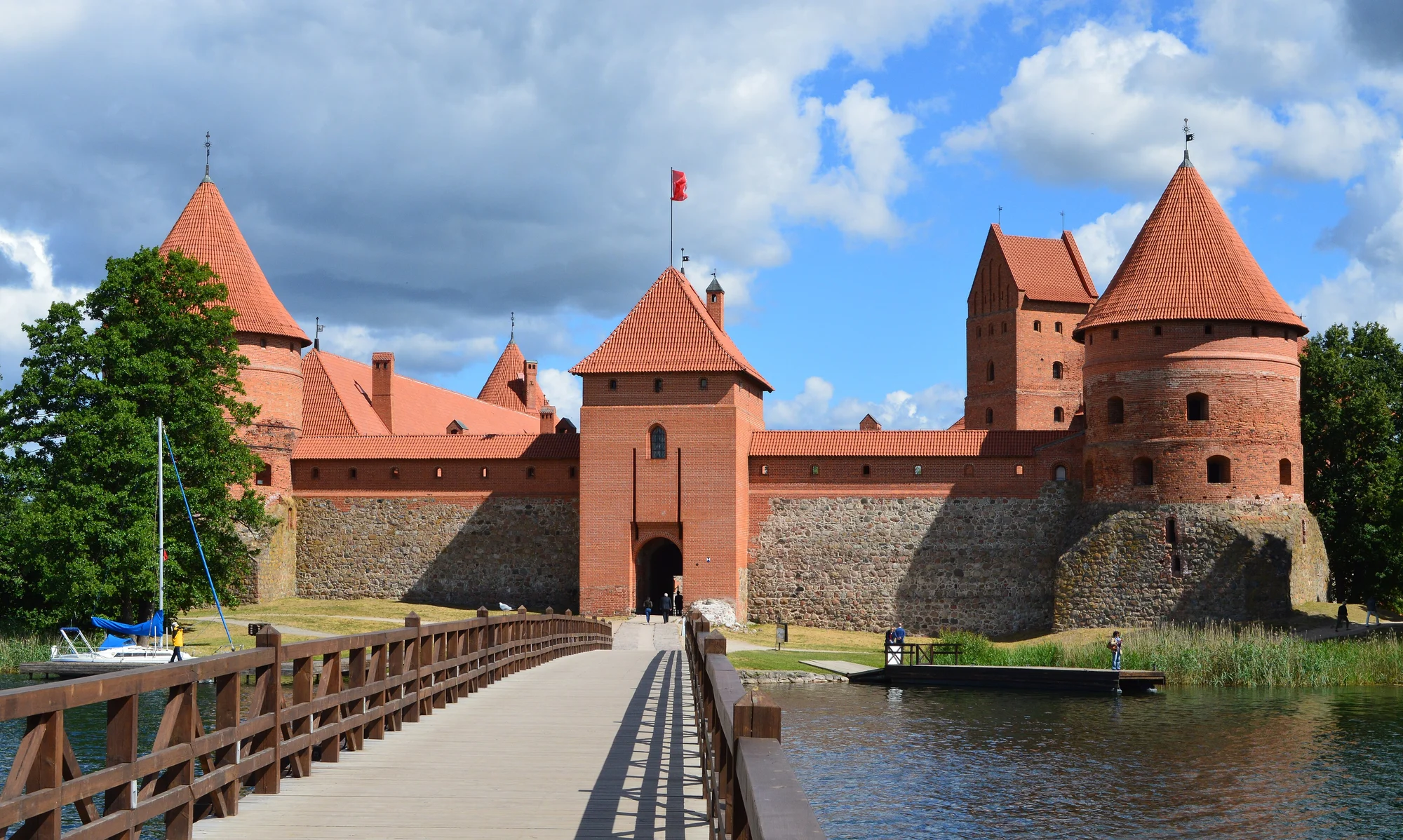
For day-trippers, the station is the launch pad for Lithuania's two easiest excursions. Trakai — the lakeside town with its storybook island castle — is a short, cheap regional-train ride away, with several services a day; it's the classic half- or full-day trip from Vilnius and needs no car. Kaunas, the country's interim-capital second city, is a comfortable inter-city train of around an hour-plus, frequent enough to go on a whim. Both are far more relaxing by rail than by road, with no parking to wrestle at the other end.
Internationally, LTG Link runs cross-border services that connect Vilnius toward Riga and the wider Baltic and Polish networks, and the rail map keeps improving as Rail Baltica progresses. Schedules, routings and any connection requirements change, so check the LTG Link site for current times and book ahead for longer hauls. For the headline day trips, though, you can usually just turn up, buy a ticket at the machine, and go.
If you're weighing rail against the road, remember the inter-city bus station is right across the square, so you can compare both options at a glance — sometimes a coach to the same town leaves sooner or drops you closer. But for the classic Vilnius excursions, the train's combination of low fares, frequent departures and a relaxing, scenic ride is hard to beat, and it leaves you fresh to actually enjoy the destination rather than wrestling traffic or parking.
- Trakai: short, cheap regional train, several daily — the easy castle day trip.
- Kaunas: frequent inter-city trains, around an hour-plus — go on a whim.
- Riga and onward: cross-border LTG Link services; check times and book ahead.
- Buy regional-train tickets at station machines or in the LTG Link app.
Luggage, food and nearby hotels
If you're between a check-out and a late train, the station's left-luggage service is the obvious place to drop bags. There are electronic luggage lockers (which typically take coins only, so keep some change) alongside the staffed option, and stored luggage can be retrieved during the station's opening hours rather than around the clock — so plan collection before it closes for the night. Independent left-luggage shops have also appeared around the station and Old Town if the official lockers are full.
For food, the station has the usual cafés, bakeries and kiosks for a coffee, a pastry or a quick bite before departure — fine for fuelling up, though you'll eat far better a short walk uphill in the Old Town. On accommodation: the station district has become a legitimately interesting place to stay, with renovated buildings, hostels and design-led hotels that put you minutes from both the platforms and the Gate of Dawn — handy if you're train-hopping or catching an early service. Just pick your block with a glance at reviews, since the area still varies street by street.
- Left luggage: coin-operated electronic lockers and a staffed service; collect within station opening hours.
- Independent bag-storage shops nearby if station lockers are full.
- Cafés, bakeries and kiosks on site for a quick pre-train bite.
- Staying nearby is convenient and increasingly characterful — check reviews block by block.
Tickets, apps and how to actually use the station
Using the station is genuinely easy, even with no Lithuanian. Tickets for regional and inter-city trains can be bought at the staffed counters, from self-service machines, in the LTG Link app, or on board, and the app doubles as the cleanest way to check live times and book ahead for the longer or international routes. For the cheap, frequent runs to Trakai and Kaunas you rarely need to book in advance — turning up, buying a ticket and boarding works fine — but for a busy weekend or a cross-border service, reserving online saves both a queue and the risk of a full train.
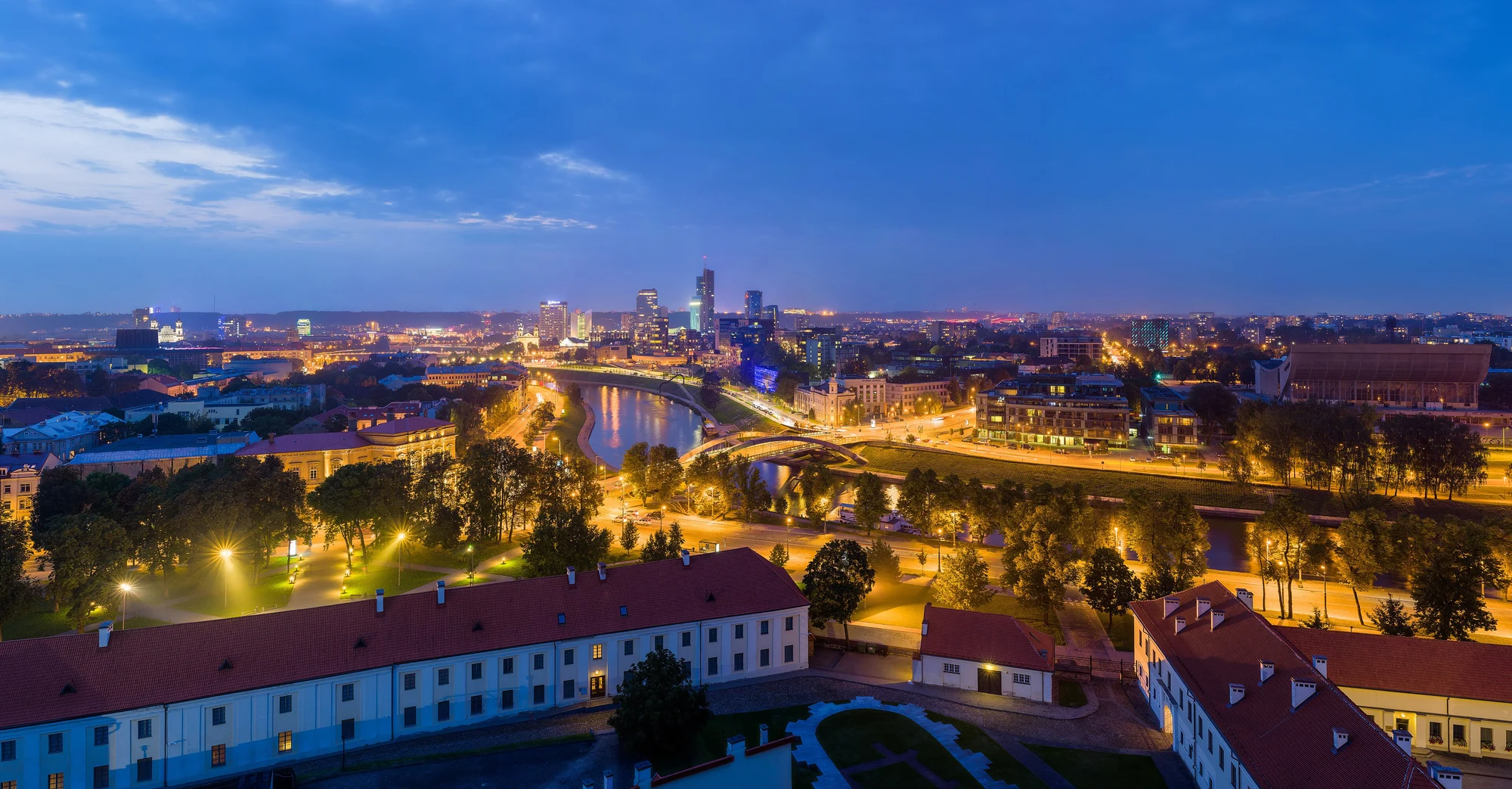
Inside, follow the departure boards (which show destinations, times and platforms) to your platform; signage is bilingual and the layout is compact enough that you won't get lost. The station opens early and closes late — roughly from around 04:30 in the morning to about 23:30 at night — so very early or very late connections are covered, but it's not a 24-hour building, which matters if you're relying on the left-luggage lockers or hoping to wait indoors in the small hours. Plan an overnight gap around a hotel rather than the concourse.
A few small habits make it smoother: keep coins for the luggage lockers and any paid toilets, screenshot your ticket in case of patchy signal, and give yourself a few extra minutes at busy times. Vilnius's station is a manageable, mid-sized terminal, not a sprawling mega-hub, so even a first-time arrival flows quickly from platform to street.
- Buy at counters, machines, the LTG Link app or on board; book ahead for long/international routes.
- Regional trains to Trakai and Kaunas rarely need advance booking — just turn up.
- Station opens early and closes late (roughly 04:30–23:30) — it's not a 24-hour building.
- Keep coins for lockers and toilets, and screenshot tickets against patchy signal.
Related guides
Stoties Rajonas: Vilnius Station District Guide
A guide to Stoties rajonas, Vilnius's edgy, fast-changing Station District: Hales Market, the train and bus stations, converted warehouses, street art, food halls and where it sits relative to the Old Town.
Read guideBest Vilnius Day Trips by Train
The easiest rail day trips from Vilnius: Trakai, Kaunas, Paneriai and beyond on LTG Link trains, with station strategy, fares, timing and when a car or tour is the better call.
Read guide
Luggage Storage in Vilnius
Where to store your bags in Vilnius: lockers at the central train station, app-based bag-storage shops near the Old Town, hotel left-luggage, and what to do on an airport or day-trip stopover.
Read guide