
Accessible Vilnius Guide
A practical accessibility guide to Vilnius: cobblestones and hills, low-floor buses and trolleybuses, accessible taxis, museums, hotel questions to ask, winter surfaces and realistic step-free routing.
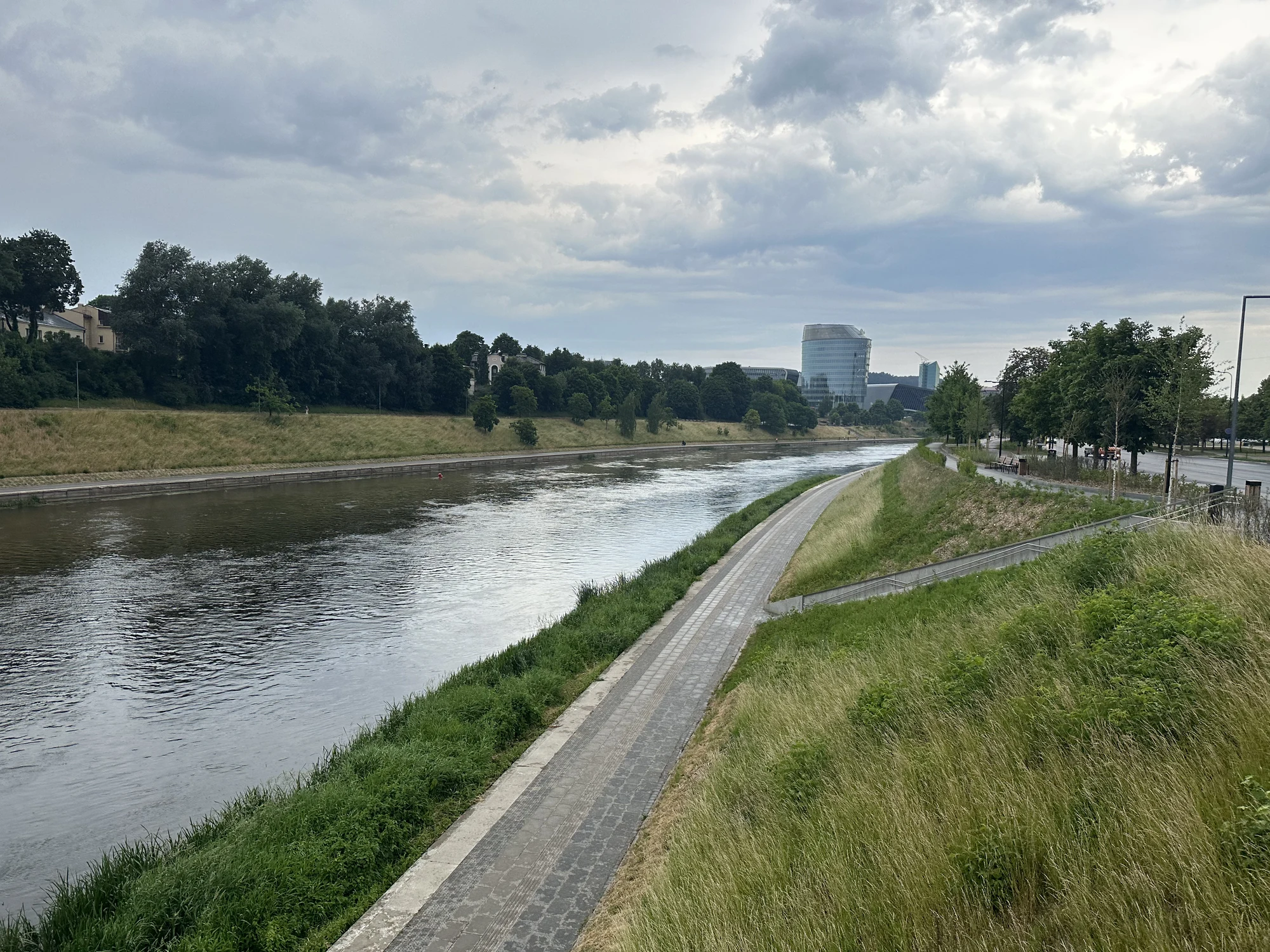
- ✓Vilnius is improving fast on accessibility, but the historic Old Town still means cobblestones and some hills.
- ✓Most city buses and trolleybuses are low-floor with ramps, making public transport broadly wheelchair-friendly.
- ✓Cathedral Square and many newer or renovated areas are smooth and step-free; back lanes are rougher.
- ✓Gediminas Hill has a lift/funicular to the summit, though the tower's upper floors and the historic climb are not step-free.
- ✓Ask hotels specific questions — step-free entrances, lifts and roll-in showers vary, especially in historic buildings.
The honest picture
Vilnius has made real progress on accessibility in recent years, and for a compact capital it's increasingly manageable for travellers with reduced mobility — but it's worth setting expectations honestly. The defining challenge is the historic core: the Old Town is a UNESCO-listed maze of cobblestoned streets, and cobbles are tiring and jarring for wheelchair and mobility-scooter users and anyone unsteady on their feet. There are also gentle hills and the occasional steeper climb where the medieval street plan demands it.
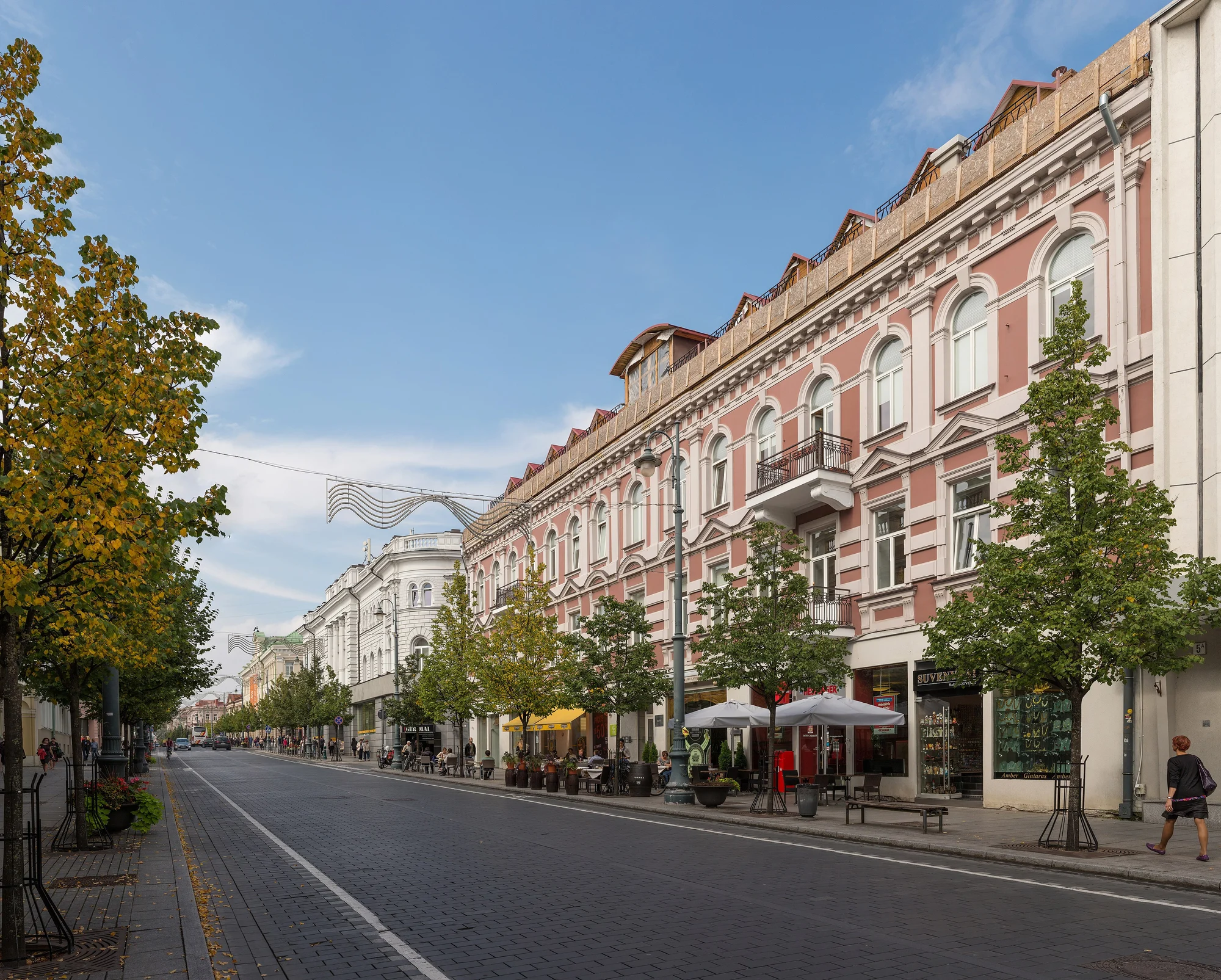
The good news is that much of the city around and within that core has been smoothed out. Major squares, renovated streets and newer districts offer flat, even surfaces and dropped kerbs, and several parts of the Old Town have been made more accessible with ramps and better pathways. The trick is routing: stick to the main, renovated thoroughfares and squares where you can, and treat the rough back lanes as optional. With a bit of planning, most of the headline experiences are within reach.
This guide covers getting around, the main sights, hotels and seasonal surfaces. As always with accessibility, verify the specifics for your needs directly with each venue or operator before you rely on them, because details change and historic buildings vary.
It also helps to know that distances here work in your favour. Because the centre is so compact, an accessible trip is less about covering ground and more about surface quality and step-free routing over short stretches — a very different problem from a sprawling capital. Mapping a handful of smooth, flat routes between your base and the main squares, and pairing them with low-floor buses or a pre-arranged accessible taxi for anything further, covers most of what a visitor wants to see. Go at your own pace, build in rest stops at the many cafés, and Vilnius opens up far more than its medieval reputation might suggest.
- Biggest challenge: Old Town cobblestones and some hills.
- Many squares, renovated streets and newer areas are flat and step-free.
- Route along main thoroughfares; treat rough back lanes as optional.
- Always confirm specific access needs directly with venues and operators.
Getting around: buses, trolleybuses and taxis
Public transport is one of the brighter parts of the picture. The majority of Vilnius's buses and trolleybuses are low-floor vehicles with a conventional pull-out ramp, designed to take wheelchairs, mobility scooters and prams, and there's designated space on board. Ticketing is straightforward — tap a contactless bank card on the validator or use the app — so you don't need to manage cash or paper tickets. The main caveat is the stops themselves: not every stop is perfectly adapted, especially in older parts of the city, so kerb heights and surfaces can vary.
For door-to-door journeys, ride-hailing via Bolt is cheap, app-based and removes fare uncertainty, which makes it a practical default — though standard cars won't suit everyone, and dedicated wheelchair-accessible vehicles are limited, so book ahead or arrange an accessible taxi in advance where you can. Because the centre is so compact, you may find you need motorised transport less than expected; the bigger questions are surface quality and step-free routing rather than distance.
Plan journeys to start and end on the renovated main routes and squares wherever possible, and build in extra time. Combining a low-floor bus to the edge of an area with a careful step-free walk to your destination is often the smoothest approach.
- Most buses and trolleybuses are low-floor with ramps and wheelchair space.
- Pay by contactless or app — no need to handle cash or paper tickets.
- Not all stops are fully adapted, especially in older districts — surfaces vary.
- Bolt is cheap and easy, but accessible-vehicle options are limited — arrange ahead.
Routes, tickets, contactless payment and apps in detail.
Vilnius Travel TipsArrival, money and the rest of your logistics in one hub.
Map pins
Map data © OpenStreetMap contributors · Tiles © OpenFreeMap
Sights, museums and the hills
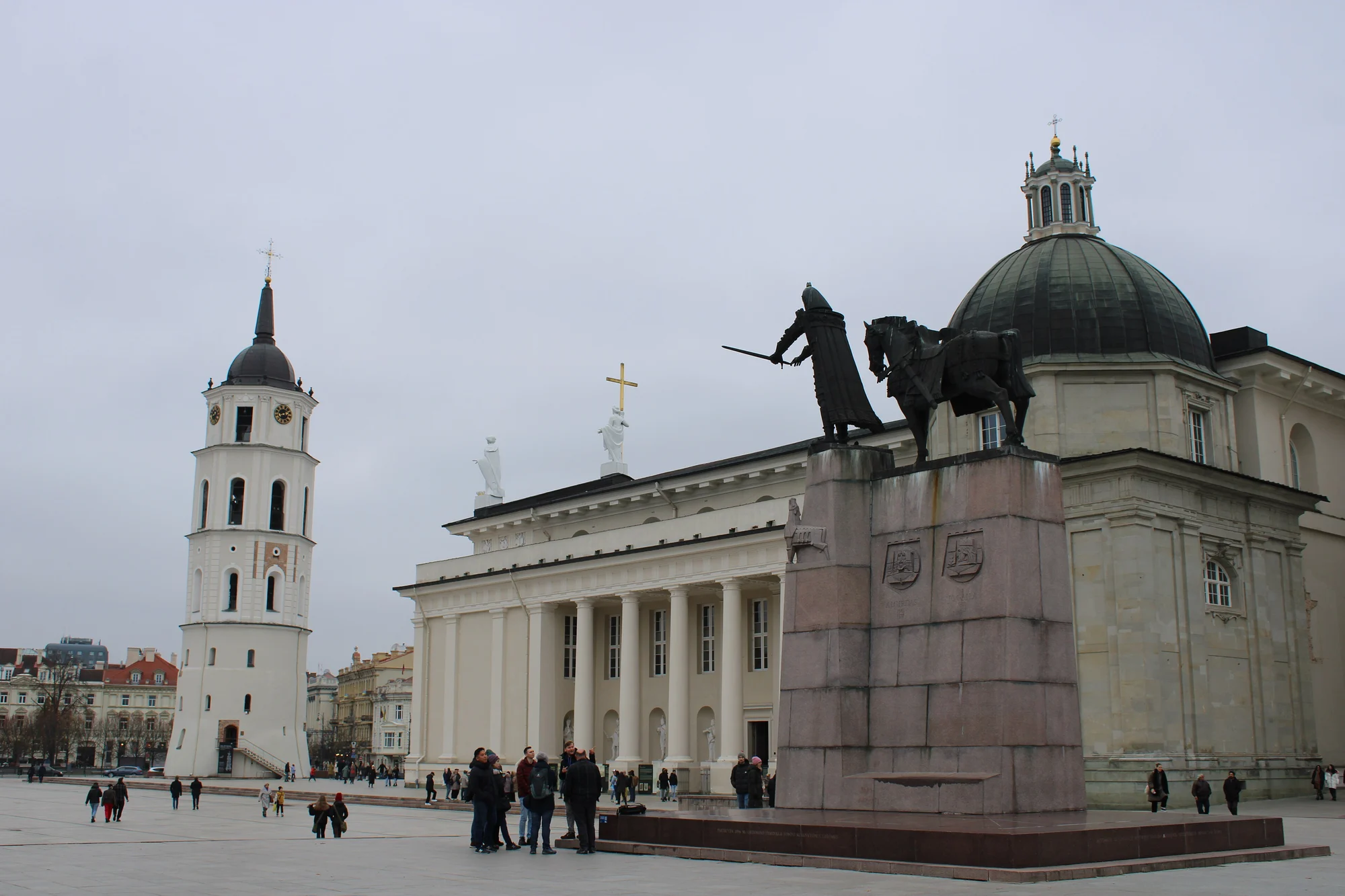
Many of Vilnius's signature experiences are achievable with planning. Cathedral Square is broad, flat and step-free, making it one of the easiest places to enjoy the city's grandeur. The interiors of major churches and museums vary: newer and renovated institutions tend to have step-free entrances, lifts and accessible facilities, while older historic buildings may have steps, thresholds or no lift. Vilnius Cathedral's main floor is generally accessible from the square, but the crypts and bell tower are not — a useful illustration of the wider pattern, where the headline space is reachable but historic sub-levels are not.
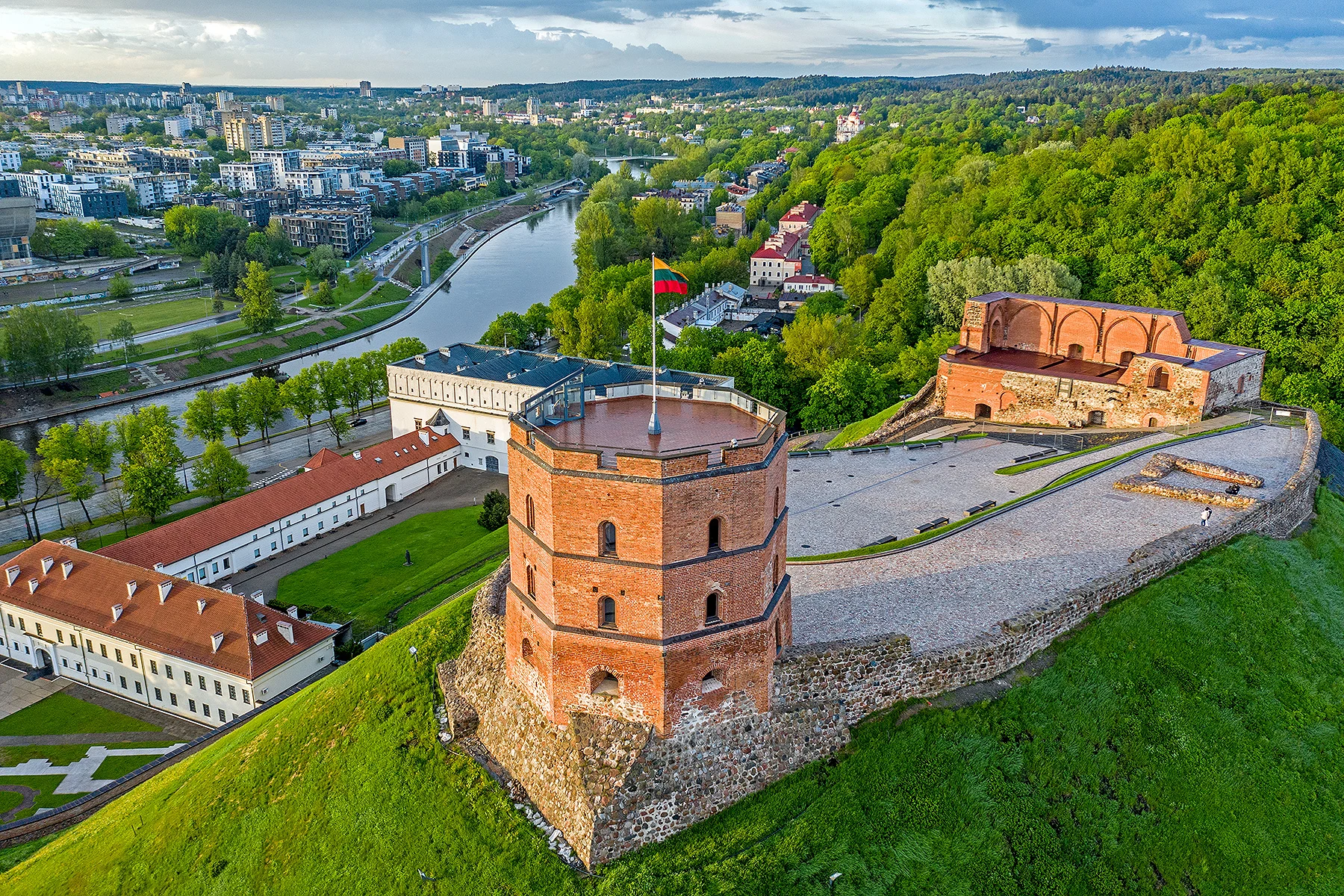
Gediminas Hill, the city's icon, is reachable by a lift/funicular running from the Old Arsenal courtyard up to the summit area, which spares the steep cobbled climb — a real help for many visitors. Note two things, though: the funicular has had periods of maintenance closure, so confirm it's running with the National Museum of Lithuania before you rely on it, and the upper floors of Gediminas Tower itself are reached by stairs and are not step-free, even though the hilltop and its views are.
For other viewpoints and sights, check ahead. Some panoramas involve steps or steep paths; others, like riverside paths and certain renovated areas, are flat and easy. When an interior isn't accessible, the surrounding squares, gardens and exteriors are often rewarding in their own right.
- Cathedral Square is flat and step-free; many newer museums have lifts and ramps.
- Historic churches and sub-levels (crypts, towers) often have steps and no lift.
- Gediminas Hill has a lift/funicular to the top — but confirm it's running first.
- Gediminas Tower's upper floors are stairs-only and not step-free.
Hotels: the questions to ask
Accessible accommodation exists in Vilnius, but standards vary widely — particularly because so many central hotels occupy historic Old Town buildings where retrofitting full accessibility is hard. Don't rely on a generic 'accessible' label; contact the property directly and ask specific questions so there are no surprises on arrival. The right questions matter more than the star rating.
Ask whether the main entrance is step-free or has a ramp; whether there's a lift, and if so whether it reaches your floor (some historic buildings have lifts that skip levels); the exact bathroom setup, including roll-in showers, grab rails and door widths; and whether any accessible rooms are on the ground floor as a fallback. If you have specific equipment, confirm doorway and corridor widths. Choosing a property on a renovated main street near a flat square also reduces how much rough cobblestone you have to cross to reach your door — location can do a lot of the accessibility work for you.
- Contact hotels directly — verify access rather than trusting a generic label.
- Ask: step-free/ramped entrance, lift reaching your floor, bathroom setup, door widths.
- Historic Old Town buildings vary most; confirm before booking.
- A central spot near a flat square minimises rough cobbles to your door.
Winter surfaces and a few final tips
Winter adds a real layer of difficulty that's easy to underestimate. Snow and ice on cobblestones and sloping streets make some routes genuinely hard or hazardous for wheelchair users and anyone unsteady, and even gritted main streets can be slick. If you're visiting between roughly December and March, weight your plans towards the flat, well-maintained main squares and renovated streets, lean more on low-floor buses and accessible taxis door-to-door, and keep walking distances short. Build in extra time and don't be afraid to reroute around an icy stretch.
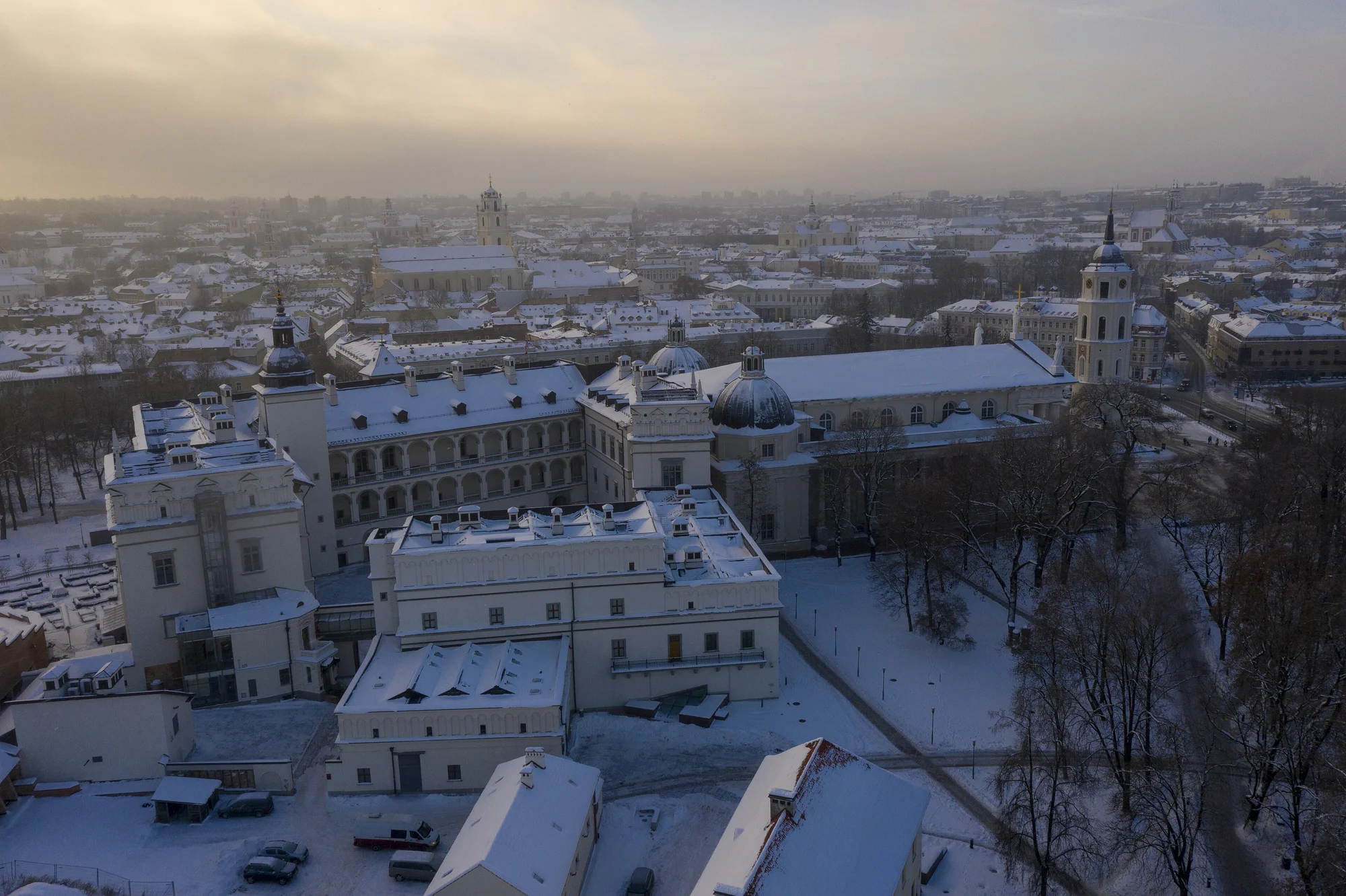
A few habits help year-round. Plan routes along renovated thoroughfares, save the rough back lanes for when you have energy and good conditions, and always carry a charged phone with offline maps and ride-hailing ready. Verify access details with each venue, hotel and operator close to your trip, since facilities and the funicular's status can change. With sensible routing and a bit of forward planning, Vilnius is a manageable and rewarding city — its grandest spaces, its main square and many of its sights are within reach for travellers with reduced mobility.
If you have specific or complex requirements, it's worth contacting the city tourist information service or your hotel ahead of arrival to sketch out routes and confirm what's currently accessible; staff are generally helpful and can flag any temporary works or closures affecting key streets and sights. A little of that homework before you travel turns the occasional rough patch into a minor detour rather than a derailment — and lets you focus on the considerable rewards of one of Europe's most atmospheric small capitals.
- Winter ice on cobbles and slopes is a serious factor — favour flat main streets and door-to-door transport.
- Plan routes along renovated thoroughfares; treat rough lanes as optional.
- Keep a charged phone with offline maps and ride-hailing ready.
- Confirm access details (and the funicular) close to your trip — things change.
Related guides
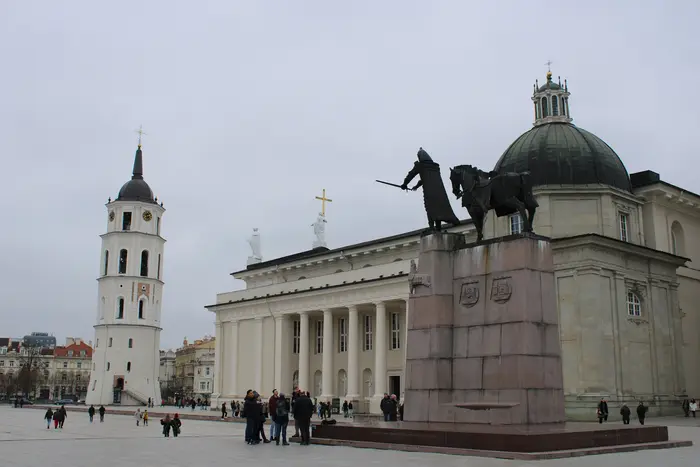
Where to Stay in Vilnius
How to choose where to stay in Vilnius: an area-by-area guide for first-timers, couples, families, nightlife, rail travellers and budgets — from the Old Town and Užupis to the station district, plus what kind of place to book.
Read guide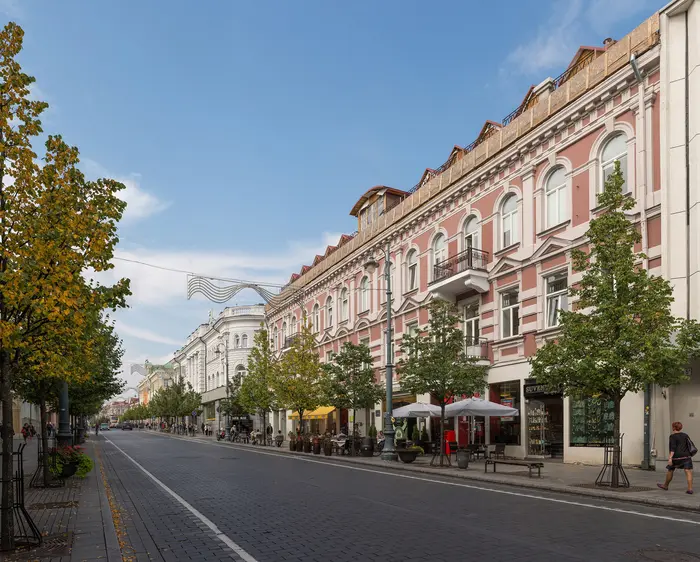
Vilnius Public Transport Guide
How Vilnius public transport works: JUDU buses and trolleybuses, time-based tickets, contactless bank-card payment, the Trafi and JUDU apps, airport routes and the mistakes visitors make.
Read guide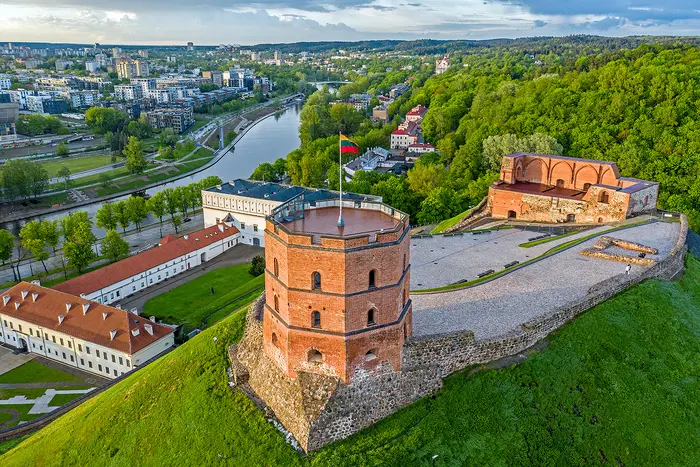
Gediminas Hill & the Funicular
How to reach the top of Gediminas Hill in Vilnius — by funicular, by the footpath, or via the Old Arsenal side — with accessibility, weather and ticket notes.
Read guide