
Vilnius Book Fair guide
A planning guide to the Vilnius Book Fair (Vilniaus knygu muge) at Litexpo: when it happens, how to get there, what tickets cost, the literary programme, and whether to build a late-winter culture weekend around it.
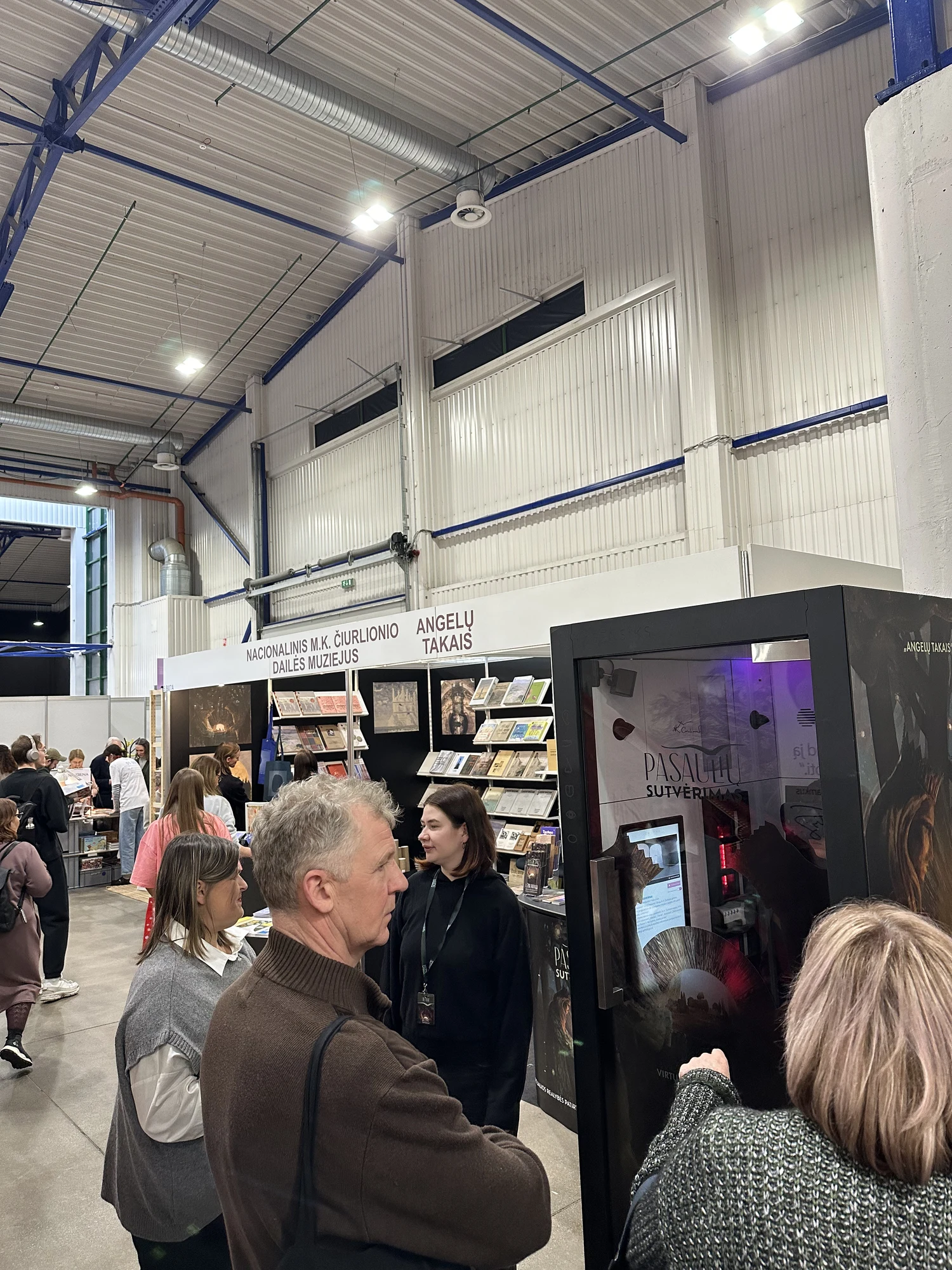
- ✓The Vilnius Book Fair is the Baltics' biggest publishing event, held over a long weekend at the end of February at the Litexpo centre southwest of the centre.
- ✓It is far more than a market: hundreds of publishers share the halls with 500-plus talks, readings, signings, concerts and children's workshops, most of them in Lithuanian.
- ✓In 2026 the fair runs Thursday 26 February to Sunday 1 March at Litexpo — a perfect anchor for a culture-led winter weekend in the city.
- ✓Tickets are inexpensive and bought on the door or online; weekends are busy, so a weekday morning is the calmest time to browse.
- ✓Even if your Lithuanian is limited, the fair is a warm, bookish day out — and a smart rainy-cold-day plan that pairs naturally with the Old Town's cafes and museums.
What the Vilnius Book Fair actually is
Every February the city's reading life spills into one enormous building on the edge of town, and for four days Vilnius becomes, briefly, the literary capital of the Baltics. The Vilnius Book Fair — Vilniaus knygu muge — is the largest event of its kind in the region, drawing around three hundred publishers and cultural organisations and well over a hundred thousand visitors across a single long weekend. It is part trade fair, part festival, and part national gathering: the place where new Lithuanian books are launched, where authors meet their readers face to face, and where the country's cultural conversation happens out loud.

If you are picturing a quiet hall of stalls, recalibrate. The fair packs more than five hundred separate events into its programme — book presentations, panel discussions, poetry readings, signings, concerts and a busy stream of children's workshops — alongside the rows of publisher stands where you can browse and buy. There is a foreign-guest strand each year built around a theme or a featured country, so you will usually find a thread of English-language and international programming among the predominantly Lithuanian events.
It is also a genuinely social occasion. Lithuanians treat the fair as a seasonal ritual, arriving in families and friend groups, queueing for signings, filling the cafe tables and carrying home stacked tote bags. That atmosphere — unhurried, bookish, quietly festive — is reason enough to go even if you are not buying. For a visitor, it is one of the most authentic windows into contemporary Lithuanian culture you will find on the calendar, and a welcome warm indoor escape from a grey late-winter day.
When it is and where it happens
The Book Fair lands in late February and almost always runs Thursday to Sunday, with the weekend by far the busiest stretch. In 2026 it takes place from Thursday 26 February to Sunday 1 March. Opening hours typically run from mid-morning to early evening, with the Friday and Saturday sessions staying open latest — in 2026, roughly 10:00 to 19:00 on the Thursday, 10:00 to 21:00 on the Friday and Saturday, and 10:00 to 17:00 on the closing Sunday. Always confirm the year's exact dates and hours on the official site before you plan, as the long-weekend slot can shift slightly from one edition to the next.
The venue is Litexpo, the Lithuanian Exhibition and Congress Centre, in the Justiniskes-Lazdynai direction southwest of the centre rather than in the Old Town itself. It is a large, modern, multi-hall complex — easy to spend half a day inside without running out of things to see — and the scale is part of the experience. Give yourself more time than you think you need, especially on a weekend, because the queues for popular signings and the sheer number of stands eat the hours quickly.
Because the fair sits outside the historic core, plan your day around a return trip to town rather than expecting to wander back on foot. Most visitors pair a Litexpo morning or afternoon with the Old Town for the other half of the day — a museum, a long lunch, a wander between churches — which makes the location a feature rather than a drawback.
- 2026 dates: Thursday 26 February – Sunday 1 March.
- Venue: Litexpo (Lithuanian Exhibition and Congress Centre), southwest of the centre.
- Busiest: Friday evening and all day Saturday; calmest: Thursday and Sunday mornings.
- Always re-check the exact dates and hours on the official site each year.
Getting there, tickets and how to do a day
Litexpo sits a few kilometres from the Old Town and is reached most easily by public transport or a short taxi ride. City buses and trolleybuses run out toward the centre on the relevant lines, and during the fair the routes are predictably busy in both directions around opening and closing; a taxi or a Bolt ride from the centre is quick and inexpensive if you would rather skip the changes. If you are driving, there is parking at the complex, but it fills fast on the weekend — arrive early or come by transit.
Tickets are cheap by European standards and bought either online in advance or at the door, with separate single-day and reduced rates; children, students and seniors pay less, and there are usually family options. Buying ahead online saves queueing at the entrance on a busy weekend morning. Prices and the exact ticket tiers change year to year, so check the official fair site for the current edition rather than relying on a figure quoted elsewhere.
For the smoothest visit, treat it like a half-day and go early. A Thursday or Sunday morning is the calmest window; Saturday is the carnival, with the fullest programme but the longest queues. Scan the published schedule the night before and flag one or two talks or signings you actually want to catch, then browse the stands around them. Bring a tote for the books you will inevitably buy, budget for a coffee-and-cake break inside, and keep the rest of the day loose for the city — the Old Town's cafes and a museum or two make the natural second half of a Book Fair day out.
A word on language, since it is the question most visitors have. The overwhelming majority of the programme is in Lithuanian, and the stands are stocked with Lithuanian-language titles, so a non-speaker will not follow most of the talks word for word. That sounds like a barrier but rarely is one in practice: the atmosphere, the design and illustration on display, the children's areas, the music, and the simple pleasure of browsing translate perfectly well. Look out, too, for the international-guest strand each edition builds around a featured theme or country, which usually brings a thread of English-language events, visiting foreign authors and translation-focused panels into the mix.
Finally, think about why you are going and let that shape the day. If you are a serious reader who wants the literary programme, study the schedule and treat the fair as the main event of your day, arriving when it opens and staying for your chosen talks. If you are a general visitor curious about Lithuanian culture, go for the experience rather than the agenda — an hour or two of browsing, a coffee, a children's workshop if you have kids, and then back into town. Either way it slots neatly into a late-February weekend, gives a grey month a warm indoor centrepiece, and sends you home with an armful of beautifully made books you did not plan to buy.
- Get there: city bus/trolleybus toward Litexpo, or a short taxi/Bolt from the centre.
- Tickets: low-cost single-day and reduced rates; buy online to skip the entrance queue.
- Go early on Thursday or Sunday for the calmest browsing.
- Pair it with the Old Town — a museum, lunch and cafes — for a full day.
Related guides
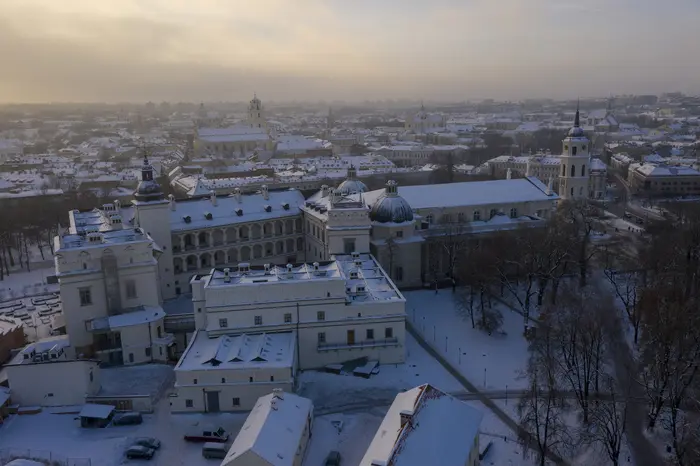
Vilnius in February
Visiting Vilnius in February: the deepest, quietest winter month, with cold weather and short days, the Vilnius Book Fair, independence commemorations, strong museums and cafés, and the year's best hotel value.
Read guide
Events in Vilnius
Vilnius's festival calendar month by month: the Light Festival, Kaziukas craft fair, Book Fair, Pink Soup Fest, Culture Night, Museum Night, Capital Days, the Marathon and the Christmas season.
Read guide
Rainy Day in Vilnius
What to do in Vilnius when it rains: museums, cafés, food halls, churches, galleries, spa hotels and cozy indoor routes for wet or cold days.
Read guide