
Paneriai Memorial: Visiting from Vilnius
A respectful guide to visiting the Paneriai (Ponary) Holocaust Memorial from Vilnius: how to get there by train, taxi, or tour, the history, time needed, and how to visit with care.
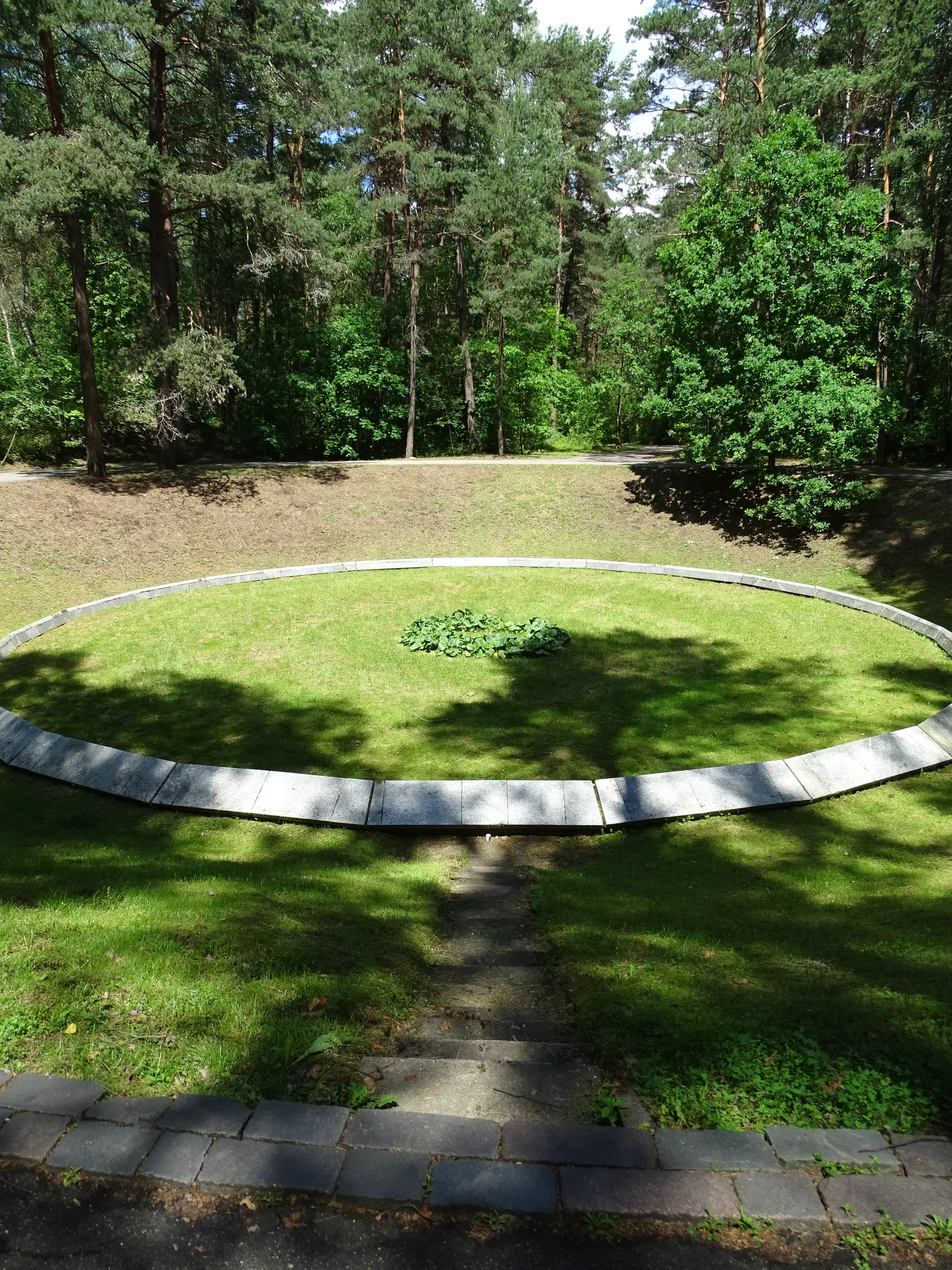
- ✓Paneriai is the forest site on Vilnius's southwestern edge where tens of thousands of people — the majority Jews from Vilnius and the region — were murdered during the Nazi occupation between 1941 and 1944.
- ✓It is now a memorial and small museum, with monuments at the former killing pits and a visitor information centre.
- ✓It's reachable in about 10 minutes by train from Vilnius to Paneriai station, then a roughly 800-metre walk, or quickly by taxi.
- ✓Admission to the memorial museum is free; it is a place of remembrance, visited quietly and respectfully.
- ✓Pair it with the Jewish heritage of central Vilnius for context — Paneriai is the tragic endpoint of that story.
What Paneriai is
Paneriai — known in Polish as Ponary and in Yiddish as Ponar — is a wooded site about 10 km southwest of central Vilnius. Between 1941 and 1944, during the Nazi occupation, it was the place where tens of thousands of people were taken and shot in pits originally dug for fuel storage. The great majority of the victims were Jews from Vilnius and the surrounding region — the people of a city once known as the 'Jerusalem of the North' — alongside Poles, Roma, Soviet prisoners of war, and others. The scale of what happened here is central to understanding the destruction of Jewish Vilna.
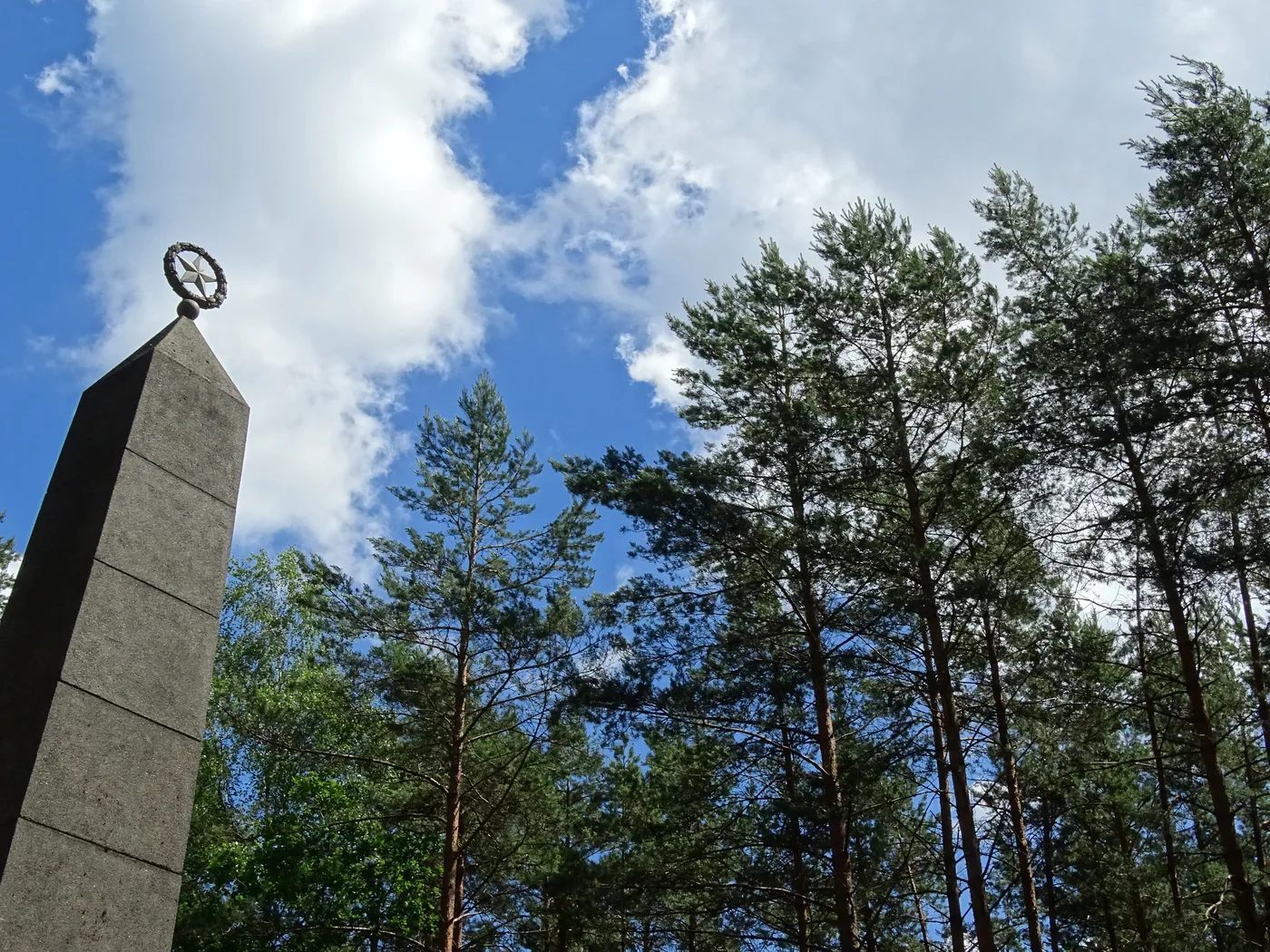
Today the forest is a memorial. Paths lead between the former pits, now grassed over and marked by monuments, with memorials raised by different communities — Jewish, Polish, and others — to their dead. A visitor information centre and a small museum near the entrance tell the history through documents, photographs, and testimony, including the harrowing account of the prisoners forced to exhume and burn the bodies near the end of the occupation, some of whom escaped through a tunnel they dug by hand.
This is not a sightseeing attraction in the ordinary sense. It is a grave and a place of mourning, and it asks to be visited that way — quietly, without picnics or loud groups, and with time to read and reflect. Many visitors find it among the most affecting places they go in Lithuania.
How to get there
Paneriai is easy to reach and the train is the simplest option. Frequent local trains run from Vilnius central station to Paneriai station in roughly 10 minutes — it's the first or second stop heading southwest — and the fare is small. From Paneriai station you exit toward the pedestrian crossing and walk about 800 metres along Agrastų street to the memorial entrance, a flat 10–15 minute walk through a quiet residential and wooded area; the way is signposted.
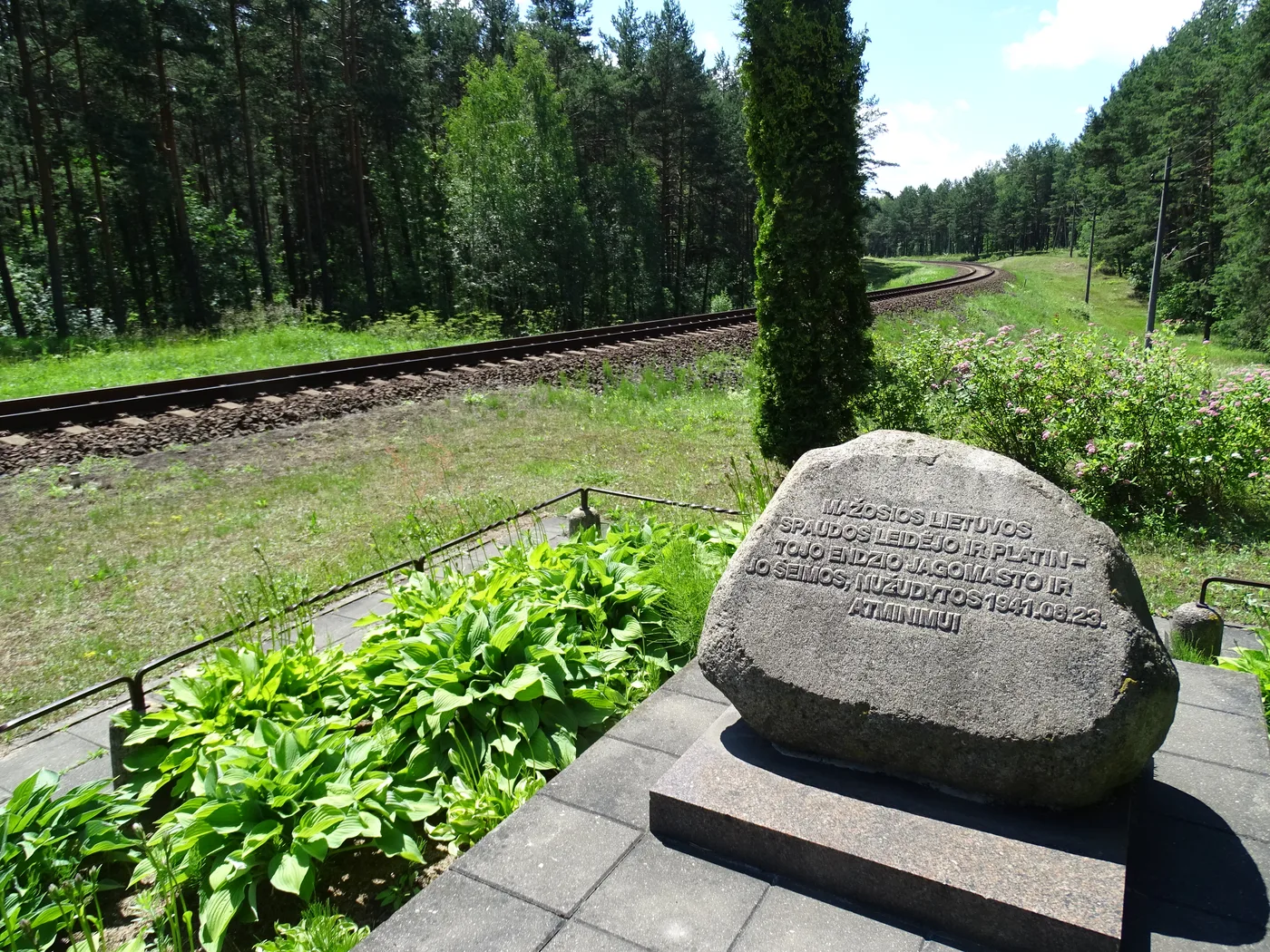
A taxi or ride-hail from central Vilnius is the quickest and most flexible alternative, taking around 15–20 minutes depending on traffic, and is worth considering if you have limited time, mobility needs, or want to be dropped right at the entrance. Some city buses also serve the area near Agrastų street. Many visitors include Paneriai as part of an organised Jewish-heritage tour of Vilnius, which adds guiding and context and removes the navigation.
If you take the train, a couple of small practicalities help. The Paneriai stop is a quiet suburban halt rather than a staffed station, so buy your ticket before boarding (via the LTG Link app or at the central station) and keep an eye on the stop names, as it comes up quickly. From the platform the route to the memorial is signposted but takes you through an ordinary residential edge of the suburb before the trees close in around the site; it's a calm, easy walk in daylight. Whichever way you travel, going in the morning leaves you unhurried and means the small museum is reliably open when you arrive.
Because trains run frequently, you can fit Paneriai into a half-day. Check the return train time when you arrive so you're not waiting long at a quiet suburban platform, and confirm the museum's opening days before you travel — it keeps limited hours and is closed on some days of the week.
- Train: ~10 minutes from Vilnius central station to Paneriai, then an ~800 m signposted walk.
- Taxi or ride-hail: ~15–20 minutes and drops you near the entrance — best for limited time or mobility.
- Often included on guided Jewish-heritage tours, which add context.
- Check the museum's opening days (it is closed on some days) and your return train before you go.
Map pins
Map data © OpenStreetMap contributors · Tiles © OpenFreeMap
Visiting with care, and pairing it with Jewish Vilna
Allow around an hour to an hour and a half at Paneriai: time to see the museum, walk the path between the memorials and the former pits, and stand for a while. Dress for the forest and weather, keep voices low, and be mindful that this is a burial site — photography for remembrance is fine, but treat the place as you would any cemetery. Admission to the memorial and museum is free.
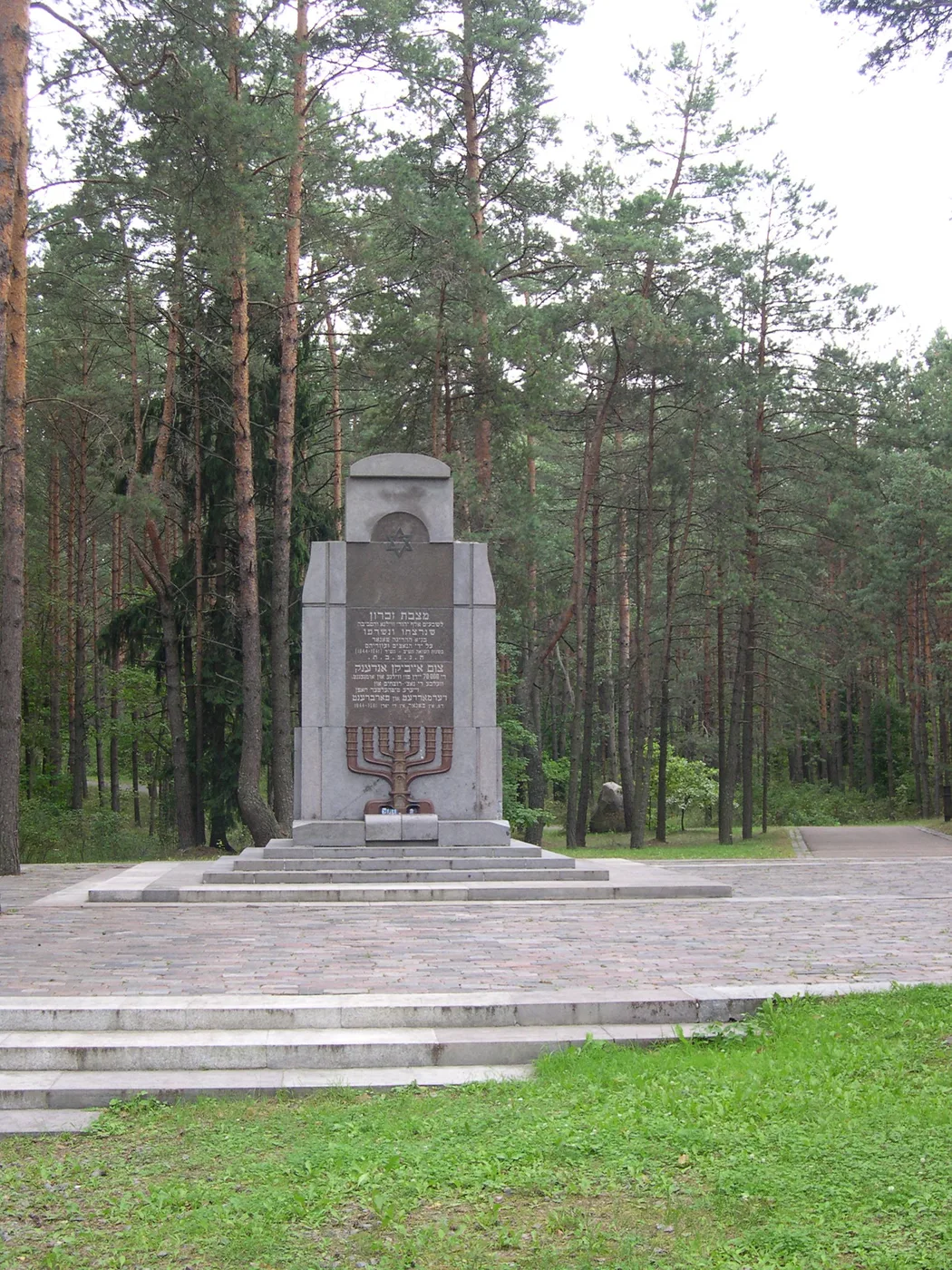
Paneriai is most meaningful when you connect it to the story of Jewish Vilnius in the city itself. Before or after, walk the former ghetto streets in the Old Town, visit the museums and memorials of Jewish Vilna, and learn about the Vilna Gaon and the centuries of Jewish life that made Vilnius a great centre of learning. Seen together, the living heritage in the centre and the forest at Paneriai tell one continuous, devastating history — and visiting both does justice to it in a way that either alone cannot.
For broader 20th-century context, the Museum of Occupations and Freedom Fights in central Vilnius covers the Nazi and Soviet occupations and complements a Paneriai visit. A thoughtful day might pair Paneriai with the Jewish quarter and one museum, with quiet time built in — this is heavy material, and it deserves to be approached without rushing.
- Budget 1–1.5 hours; admission is free. Visit quietly — it is a burial site.
- Pair with the former ghetto streets and Jewish heritage in central Vilnius for full context.
- The Museum of Occupations and Freedom Fights adds wider occupation-era history.
- Build in quiet time rather than slotting it between busy sights — the subject deserves it.
Understanding what you're seeing
Before Paneriai was a killing site, it was simply a stretch of pine forest beside a railway line, where Soviet authorities had begun digging large circular pits intended for fuel-storage tanks. When the Nazi occupation began in summer 1941, those existing pits were turned to a monstrous new purpose. Over the following three years, people were brought here in groups — most from the Vilnius ghetto, where the Jewish population had been confined — and murdered at the edge of the pits. The victims included the overwhelming majority of Vilnius's Jewish community, a centre of learning and religious life that had thrived for centuries, along with Polish intellectuals, Roma, Soviet prisoners of war, and others the regime targeted.
Walking the site today, the grassed-over pits are marked and explained, and you'll see separate memorials raised over the decades by different communities. Understanding a little of this before you arrive changes the visit: the calm of the forest sits in deliberate, painful contrast to what happened here, and the museum's testimonies — including the account of the 'Burning Brigade' of prisoners forced to destroy evidence in the final months, some of whom escaped through a hand-dug tunnel — give the place its full, terrible weight. This is one of the most significant Holocaust sites in Lithuania, and visiting it is an act of witness as much as sightseeing.
If you are travelling with children or anyone for whom this material is difficult, plan accordingly: the subject matter is grave and the museum displays are frank. Some visitors prefer to read the history in advance and spend their time on site mostly in quiet reflection at the memorials rather than in detailed museum study. There is no single right way to visit — only to do so thoughtfully, and to give the place the seriousness it asks for.
- The pits were originally dug for Soviet fuel storage, then turned to mass murder under Nazi occupation, 1941–1944.
- Victims were chiefly Vilnius's Jewish community, alongside Poles, Roma, and Soviet POWs.
- Separate community memorials mark the site; the museum tells the history through testimony.
- Grave material — plan ahead if visiting with children, and allow time for quiet reflection.
Practical questions, answered
How long should I allow? Plan on about an hour to ninety minutes on site, plus travel — roughly half a day door to door if you take the train and walk in. That's enough to see the visitor centre and museum, walk the path between the memorials, and have unhurried time to reflect. You can do it faster, but this isn't a place to rush.
Do I need a guide? Not necessarily. The site is open to independent visitors, the memorials and main pits are reachable on foot, and the museum explains the history. That said, a knowledgeable guide — whether on a dedicated Jewish-heritage tour or a private one — adds a great deal of context and is worth considering if the history matters to you and you want it brought to life rather than read off panels. Either way, doing a little reading beforehand markedly deepens the visit.
Is it suitable for children? That depends on the child and your judgement. The setting is a peaceful forest, but the subject is the mass murder of tens of thousands of people, and the museum does not soften it. Many families do visit as part of teaching difficult history, but it calls for preparation and conversation rather than a casual drop-in.
When is it open, and what does it cost? The memorial grounds are open countryside, while the museum and visitor centre keep limited hours and are closed on certain days of the week, so always check the official site before you travel. Admission to the memorial museum is free. There are minimal facilities on site, so bring water, and dress for the forest and the weather.
Can I combine it with anything else? Yes — the natural pairing is the Jewish heritage of central Vilnius, before or after. Because Paneriai is a short hop southwest of the centre by train, it slots neatly into a half-day that also covers the former ghetto streets and a relevant museum. Just build in some quiet space rather than treating it as one stop on a packed checklist.
- Allow ~1–1.5 hours on site; about half a day door to door by train and on foot.
- Independent visits are fine; a guide or heritage tour adds valuable context.
- Grave subject matter — prepare children in advance rather than dropping in casually.
- Grounds are open; museum hours are limited and it's closed some days — check first. Admission is free.
Related guides
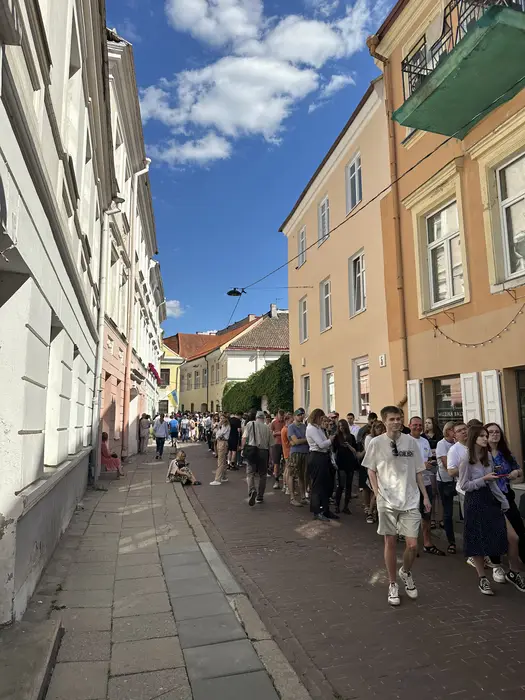
Vilnius Jewish Heritage Itinerary
A respectful route through Jewish Vilna — the 'Jerusalem of the North': the former ghetto streets, the Vilna Gaon legacy, surviving synagogues and memorials, the city's Jewish museums, and the Paneriai Memorial.
Read guide
Jewish Quarter Vilnius guide
A respectful guide to Vilnius's former Jewish quarter and ghetto streets: the lanes of old Jewish Vilna, the site of the Great Synagogue, the Vilna Gaon's legacy, the ghetto memorials and where to find context before you walk.
Read guide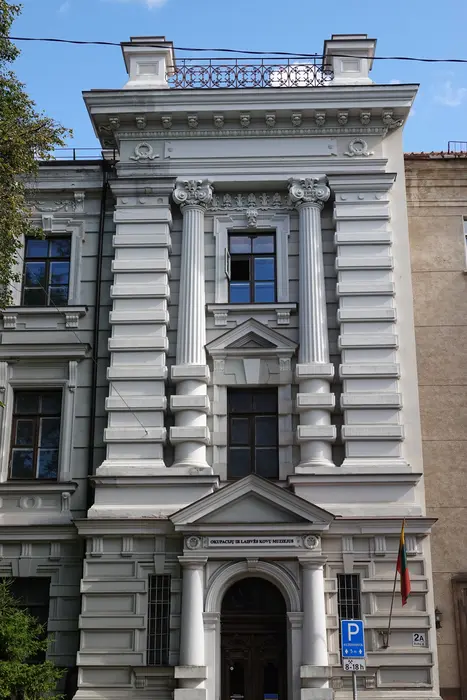
Museum of Occupations and Freedom Fights (KGB Museum)
Set in the former KGB headquarters and prison, this sobering museum tells the story of Lithuania's 20th-century occupations and resistance — including the preserved cells in the basement.
Read guide